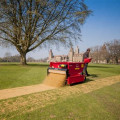
Lawns and turf areas are designed to handle regular use, but repeated heavy foot traffic can create damage that goes far beyond simple wear and tear. Residential yards, sports fields, parks, event spaces, and community gathering areas often experience concentrated traffic patterns that gradually weaken grass health over time. Many homeowners assume basic lawn care such as mowing, watering, and fertilizing will be enough to restore damaged turf, but heavily compacted and overused grass areas typically require much more extensive recovery strategies. Continuous pressure from foot traffic compresses the soil beneath the turf, restricts airflow to grass roots, and reduces the ground’s ability to absorb water and nutrients properly. As a result, turf recovery becomes more complicated than simply reseeding bare patches or increasing irrigation after visible damage appears.
Soil Compaction Is One of the Biggest Problems
One of the hidden challenges associated with heavy foot traffic is soil compaction. Every step taken across a lawn places pressure on the soil structure underneath the grass. Over time, repeated movement compresses the soil particles together, limiting the small air pockets that healthy roots rely on for oxygen and water absorption. Once soil becomes heavily compacted, grass roots struggle to grow deeply and evenly, making the turf weaker and more vulnerable to drought, disease, and thinning. Even if new grass seed is added, poor soil conditions may prevent healthy germination and long-term growth. Turf professionals often explain that recovery efforts must focus on improving the soil itself rather than only repairing visible surface damage. Aeration, soil conditioning, and drainage improvements are commonly recommended to help restore healthy root development after prolonged foot traffic exposure.
Damaged Turf Requires Specialized Recovery Methods
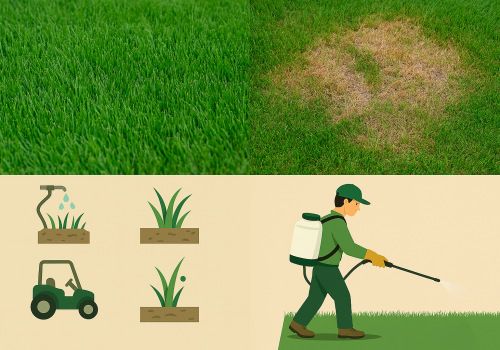
Basic lawn maintenance routines are often insufficient for turf areas that have experienced severe wear because the underlying stress extends beyond the surface. Heavy traffic can create uneven ground conditions, exposed soil, drainage problems, and thinning grass that becomes increasingly difficult to repair without targeted restoration methods. In many cases, overseeding alone will not produce lasting results if soil compaction and root damage remain untreated. Lawn care professionals may recommend aeration equipment, dethatching, topdressing, or specialized turf reinforcement strategies depending on the severity of the damage. Property owners maintaining larger landscapes or high-traffic recreational areas frequently rely on professional-grade outdoor equipment and maintenance support to manage these recovery projects effectively. Businesses such as Umatilla Saw & Mower LLC may play a role in supporting long-term turf management by providing access to tools and equipment designed for more demanding lawn restoration tasks.
Water Management and Recovery Timing Are Critical
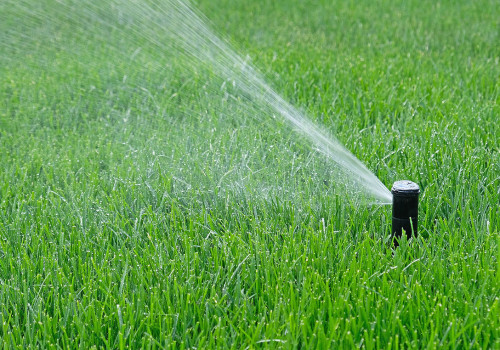
Another reason turf recovery requires more than basic lawn care is because heavily trafficked areas often develop uneven water absorption patterns. Compacted soil prevents moisture from penetrating deeply, leading to runoff, pooling, or dry spots that interfere with healthy regrowth. Without proper irrigation adjustments, newly seeded or recovering turf may struggle to establish itself evenly across damaged sections. Recovery timing also matters because turf repair efforts are most successful when matched to seasonal growing conditions and grass type requirements. Attempting restoration during periods of extreme heat, drought, or excessive rainfall may slow recovery and increase stress on already weakened grass systems. Turf specialists often develop phased recovery plans that combine aeration, reseeding, soil improvement, and controlled usage periods to give damaged lawns time to regenerate properly.
Long-Term Turf Health Requires Preventative Planning
Successfully restoring turf after heavy foot traffic involves much more than cosmetic lawn care treatments. Long-term recovery depends on improving soil health, reducing compaction, managing water distribution, and allowing grass roots to rebuild strength gradually over time. Property owners who address these deeper issues are often more successful in creating durable, healthy turf that can withstand future use without repeated damage. By combining preventative maintenance with targeted restoration strategies, homeowners and property managers can protect the appearance, safety, and long-term performance of high-traffic lawn areas more effectively.