Turf management is a critical aspect of maintaining healthy, vibrant lawns and landscapes. It encompasses a variety of practices aimed at promoting the growth of grass while minimizing the impact of pests and diseases. One of the most significant challenges in turf management is the presence of weeds, which can quickly undermine the aesthetic appeal and health of your turf. Understanding how to effectively manage these unwanted plants is essential for any lawn care enthusiast or professional. Weeds compete with grass for essential resources such as water, nutrients, and sunlight, often leading to a decline in turf quality.
They can also harbor pests and diseases that further threaten the integrity of your lawn. Therefore, implementing effective weed prevention strategies is not just about aesthetics; it’s about ensuring the long-term health and resilience of your turf. This requires a comprehensive approach that includes proper mowing, fertilization, and irrigation practices. Moreover, recognizing the types of weeds that commonly invade your turf can help tailor your management strategies. Some weeds thrive in specific conditions, making it crucial to understand your local environment and soil type.
By integrating turf care techniques with targeted weed management practices, you can create a robust lawn that stands up to competition from invasive species. In the following sections, we will explore various methods to prevent weeds from taking root in your turf, ensuring a lush and thriving landscape.
The Importance of Healthy Turf
Maintaining healthy turf is essential for preventing weed growth and ensuring a vibrant lawn. A robust grass ecosystem not only enhances the aesthetic appeal of your yard but also plays a critical role in suppressing unwanted weeds. When turf is healthy, it competes effectively for resources such as sunlight, water, and nutrients, leaving little room for weeds to establish themselves.One of the primary factors in achieving turf health is soil quality.Healthy soil is rich in organic matter and nutrients, which supports strong grass growth. Regular soil testing can help determine pH levels and nutrient deficiencies, allowing you to amend the soil accordingly. Incorporating compost or organic fertilizers can significantly improve soil structure and fertility, promoting a thriving lawn.Another crucial aspect of turf management is selecting the right type of grass for your region and climate. Different grass species have varying tolerances to heat, drought, and foot traffic.
Choosing a grass type that is well-suited to your local conditions will enhance its resilience against pests and diseases, further reducing the likelihood of weed invasion.In addition to soil health and grass selection, proper lawn care practices are vital. Regular mowing at the correct height encourages dense growth while preventing weeds from getting enough sunlight to thrive. Additionally, watering deeply but infrequently promotes deep root systems, making grass more competitive against weeds.Finally, implementing a routine maintenance schedule that includes aeration, overseeding, and appropriate fertilization will keep your turf in peak condition. By prioritizing these practices, you can cultivate a lush lawn that not only looks great but also effectively wards off weeds.
Common Types of Weeds in Turf
Understanding the common types of weeds that invade turf areas is essential for effective turf management.Weeds not only compete with grass for nutrients and water but can also diminish the aesthetic appeal of your lawn. Here are some of the most prevalent weeds found in turf:
- Dandelion (Taraxacum officinale) : Recognizable by its bright yellow flowers and jagged leaves, dandelions have a deep taproot that makes them resilient. They thrive in disturbed soils and can quickly spread if not controlled.
- Clover (Trifolium spp.) : Often seen as a sign of poor soil health, clover has small, round leaves and produces white or pink flowers. While some homeowners appreciate its nitrogen-fixing properties, it can outcompete grass if left unchecked.
- Crabgrass (Digitaria spp.) : This annual weed germinates in warm weather and spreads rapidly, forming a dense mat that chokes out desirable grasses.
Its wide, flat leaves are a telltale sign of its presence.
- Chickweed (Stellaria media) : A common winter annual, chickweed has small white flowers and a sprawling growth habit. It thrives in cool, moist conditions and can quickly take over bare patches in your lawn.
- Bindweed (Convolvulus arvensis) : This perennial weed features twining stems and trumpet-shaped flowers. Its extensive root system makes it difficult to eradicate once established.
If you notice any of these weeds, consider implementing targeted control measures such as manual removal or appropriate herbicides to protect your turf's health.
Cultural Practices for Weed Prevention
Effective turf management relies heavily on implementing sound cultural practices that not only promote healthy grass growth but also minimize the chances of weed invasion. By focusing on proper lawn care techniques, homeowners can create an environment that is less conducive to weed proliferation.Mowing
is one of the simplest yet most effective methods for preventing weeds. Keeping your grass at the appropriate height—generally between 2.5 to 4 inches—can shade the soil and inhibit weed seed germination. Additionally, using a sharp mower blade ensures clean cuts, which helps the grass recover quickly and reduces stress that can make it more susceptible to weeds.
Watering
practices also play a crucial role in weed prevention.
It’s essential to water deeply and infrequently, encouraging deep root growth in your turf. Shallow watering can lead to weak grass that is easily overtaken by weeds. Aim for about 1 to 1.5 inches of water per week, adjusting based on rainfall and temperature.
Fertilization
is another key aspect of cultural practices. A well-fertilized lawn promotes robust grass growth, which can outcompete weeds for nutrients and sunlight.
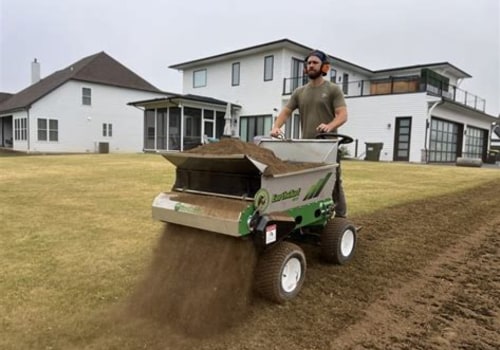
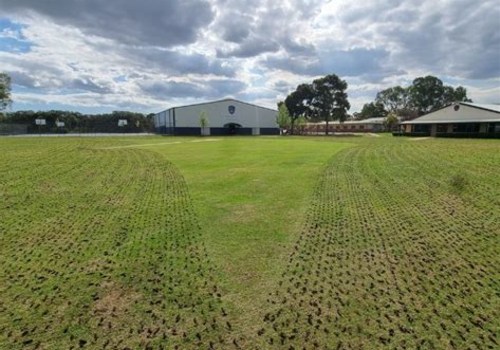
Use a slow-release fertilizer in the spring and fall to provide a steady supply of nutrients throughout the growing season. Be cautious not to over-fertilize, as this can lead to excessive growth that may attract pests and diseases.Incorporating aeration into your lawn care routine can also significantly benefit turf health. Aerating your lawn allows air, water, and nutrients to penetrate the soil more effectively, promoting stronger grass roots while reducing compaction that can favor weed growth.Finally, consider overseeding as a preventive measure against weeds. By introducing new grass seed into your existing lawn, you can fill in bare spots and create a denser turf that leaves little room for weeds to establish themselves.By adopting these cultural practices—mowing correctly, watering wisely, fertilizing appropriately, aerating regularly, and overseeding—you can significantly enhance your turf management efforts and keep unwanted weeds at bay.
Soil Management Techniques
Effective soil management is crucial for maintaining healthy turf and preventing the establishment of weeds.Healthy soil promotes robust grass growth, which can outcompete weeds for nutrients, water, and sunlight. Here are some key techniques to enhance soil health and minimize weed issues:
- Soil Testing: Regular soil testing is essential to understand the nutrient levels and pH of your soil. This information allows you to make informed decisions about amendments needed to optimize soil conditions for turf growth.
- Aeration: Aerating your lawn helps alleviate soil compaction, allowing air, water, and nutrients to penetrate deeper into the root zone. This practice encourages stronger root systems and healthier grass, making it more difficult for weeds to establish.
- pH Adjustment: The ideal pH for most turf grasses is between 6.0 and 7.0.
If your soil is too acidic or alkaline, it can hinder nutrient availability. Use lime to raise pH or sulfur to lower it, based on your soil test results.
- Organic Amendments: Incorporating organic matter such as compost can improve soil structure, enhance microbial activity, and increase nutrient retention. This creates a more favorable environment for turf while suppressing weed growth.
Choosing the Right Grass Type
Choosing the right grass type is a crucial aspect of turf management that can significantly reduce weed competition and promote a healthier lawn.Different grass species thrive in various climates and soil conditions, making it essential to select a type that aligns with your local environment.For instance, if you live in a warm climate, Bermudagrass is an excellent choice due to its drought resistance and ability to withstand heat. Conversely, in cooler regions, Kentucky bluegrass is favored for its lush appearance and adaptability to colder temperatures. Understanding the specific needs of your region can help you make an informed decision.Additionally, consider the sun and shade conditions of your lawn. Some grass types, like Perennial ryegrass , perform well in shaded areas, while others, such as Zoysiagrass , prefer full sun.
By matching the grass type to the light conditions, you can create a dense turf that outcompetes weeds for resources.
- Bermudagrass: Ideal for warm climates; drought-resistant.
- Kentucky bluegrass: Best for cooler areas; lush and hardy.
- Perennial ryegrass: Thrives in shaded regions; quick germination.
- Zoysiagrass: Tolerates heat and drought; prefers sunny spots.
Chemical Weed Control Options
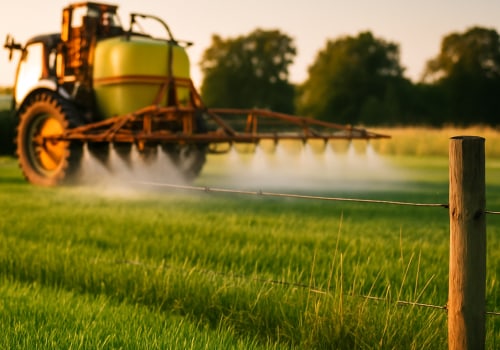
When it comes to turf management, effective weed control is essential for maintaining a healthy lawn.One of the most efficient methods for managing weeds is through the use of chemical weed control options, specifically herbicides. These products can be categorized into two main types: pre-emergent and post-emergent herbicides.
Pre-Emergent Herbicides
Pre-emergent herbicides are designed to prevent weed seeds from germinating. They create a chemical barrier in the soil that inhibits the growth of weeds before they even emerge. Timing is crucial when applying these herbicides; they should be applied early in the spring or fall, depending on the type of weeds you are targeting.Common pre-emergent options include:
- Prodiamine: Effective against crabgrass and other annual weeds.
- Dithiopyr: Provides control for both annual and some perennial weeds.
- Pendimethalin: Works well for a variety of grassy and broadleaf weeds.
Post-Emergent Herbicides
Post-emergent herbicides, on the other hand, are used to control weeds that have already emerged. These products can be selective, targeting specific types of weeds without harming your turf, or non-selective, killing any plant they come into contact with. Some popular post-emergent herbicides include:- 2,4-D: A selective herbicide effective against broadleaf weeds.
- Glyphosate: A non-selective option that is effective for total vegetation control.
- Metsulfuron-methyl: Targets tough perennial weeds while being safe for many turf types.
Safe Herbicide Use
While chemical options can be highly effective, it is important to use them safely. Always read and follow the label instructions carefully to ensure proper application rates and timing.Additionally, consider the following safety tips:
- Wear protective clothing, including gloves and masks, during application.
- Avoid applying herbicides on windy days to prevent drift.
- Keep pets and children away from treated areas until it is safe to return.
Natural Weed Control Methods
For those looking to maintain a healthy lawn while minimizing environmental impact, natural weed control methods offer effective alternatives to chemical herbicides. These organic techniques not only help in managing weeds but also promote a thriving ecosystem within your turf.One of the most effective eco-friendly weed prevention strategies is the use of mulching. Applying a layer of organic mulch around your turf can suppress weed growth by blocking sunlight and retaining moisture. Materials such as wood chips, straw, or grass clippings can be used, and as they decompose, they enrich the soil.Another beneficial method is hand-pulling.While labor-intensive, this technique allows for precise removal of weeds without disturbing the surrounding grass. It’s best to pull weeds when the soil is moist, making it easier to extract the entire root system.
Companion planting
is also a valuable strategy in turf management. By planting certain species alongside your grass, you can naturally deter weeds. For instance, clover can be an excellent companion as it not only suppresses weed growth but also enriches the soil with nitrogen.Additionally, consider using natural herbicides.
Products containing vinegar or salt can be effective in controlling weeds without harming the environment. However, caution should be exercised to avoid damaging desirable plants.Lastly, maintaining a healthy lawn through proper watering and fertilization practices can significantly reduce weed prevalence. A dense and vigorous turf is less susceptible to weed invasion. Regular aeration and overseeding can also enhance turf health, making it more competitive against unwanted plants.By implementing these organic methods, you can effectively manage weeds while promoting a sustainable and eco-friendly lawn care routine.
Maintaining Your Turf Throughout the Seasons
Maintaining your turf throughout the seasons is crucial for effective turf management and minimizing weed growth.Each season presents unique challenges and opportunities for lawn care, and understanding these can help you keep your grass healthy and vibrant.
Spring: The Season of Renewal
As temperatures rise, it's time to prepare your lawn for growth. Begin by:- Clearing debris: Remove leaves, branches, and other debris that can suffocate your grass.
- Soil testing: Conduct a soil test to determine pH levels and nutrient needs.
- Fertilizing: Apply a balanced fertilizer to promote healthy growth.
- Overseeding: Fill in bare spots with new grass seed to create a dense turf that can outcompete weeds.
Summer: Keeping Your Turf Hydrated
During the hot summer months, maintaining moisture is key. Follow these tips:- Irrigation: Water deeply but infrequently to encourage deep root growth.
- Mowing: Keep your grass at a higher height to shade the soil and reduce weed germination.
- Pest control: Monitor for pests that can weaken your turf and treat them promptly.
Fall: Preparing for Dormancy
As temperatures cool, focus on preparing your lawn for winter:- Aeration: Aerate your lawn to improve air circulation and nutrient absorption.
- Fertilization: Apply a fall fertilizer rich in potassium to strengthen roots before winter.
- Weed control: Apply pre-emergent herbicides to prevent winter annual weeds from establishing.
winter: Protecting Your Turf
While your lawn may be dormant, it still requires care:- Minimize foot traffic: Avoid walking on frozen grass to prevent damage.
- Cleansing: Keep the lawn free of debris to prevent mold and disease.
- Planning: Use this time to plan for spring improvements based on your observations from the previous year.
FAQs About Weed Prevention in Turf Management
When it comes to turf management, preventing weeds is a common concern among homeowners and landscapers alike.Here are some frequently asked questions that can help clarify effective strategies for weed prevention.
What are the best practices for preventing weeds in turf?
- Regular Mowing: Keeping your grass at the recommended height can shade the soil and inhibit weed growth.
- Proper Watering: Water deeply but infrequently to encourage deep root growth in grass, making it more competitive against weeds.
- Fertilization: Use a balanced fertilizer to promote healthy grass growth, which can outcompete weeds for nutrients.
- Soil Aeration: Aerating your lawn helps improve soil health and allows nutrients to penetrate deeper, benefiting grass over weeds.
How can I identify common weeds in my turf?
Identifying weeds early is crucial for effective management. Common types include:- Dandelions: Recognizable by their bright yellow flowers and jagged leaves.
- Clover: Often found in patches, clover has three leaflets and can be beneficial if managed properly.
- Crabgrass: A summer annual that spreads quickly, identifiable by its wide, flat leaves.
Is it safe to use herbicides for weed control?
While herbicides can be effective, it's essential to choose the right type. Pre-emergent herbicides prevent weed seeds from germinating, while post-emergent herbicides target existing weeds. Always follow the manufacturer's instructions and consider organic options if you're concerned about chemical use.Can I prevent weeds naturally?
Yes! Natural methods include:- Mulching: Applying organic mulch can suppress weed growth while enriching the soil as it decomposes.
- Corn Gluten Meal: This natural pre-emergent herbicide can prevent weed seeds from germinating when applied correctly.
Conclusion: Key Takeaways for Effective Weed Prevention in Turf Management
In conclusion, effective turf management is essential for preventing weeds and maintaining a healthy lawn.By implementing a combination of proactive strategies, you can significantly reduce the likelihood of weed infestations and promote robust turf growth.Key takeaways include:
- Regular Maintenance: Consistent mowing, watering, and fertilization are crucial. Keeping your turf at the appropriate height and ensuring it receives adequate nutrients will help it outcompete weeds.
- Soil Health: Testing your soil and amending it as necessary can create an environment that supports grass growth while discouraging weed development. Healthy soil leads to stronger roots and better overall turf resilience.
- Proper Aeration: Aerating your lawn allows for better air circulation, water infiltration, and nutrient absorption. This practice helps to alleviate soil compaction, which can be a breeding ground for weeds.
- Weed Identification: Understanding the types of weeds that commonly invade your turf can help you choose the right prevention methods.
Early identification allows for targeted treatments before weeds establish themselves.
- Use of Mulch: In garden beds adjacent to turf areas, applying mulch can suppress weed growth while retaining moisture in the soil.