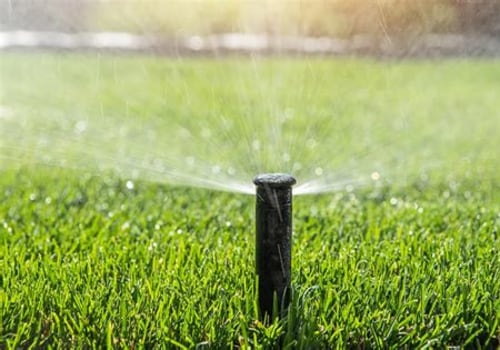
Turf management is a critical aspect of maintaining a vibrant and healthy lawn, playing a vital role in both residential and commercial landscapes. Understanding the intricacies of turf care is essential for achieving lush, green grass that not only enhances aesthetic appeal but also contributes to environmental health. Proper turf management encompasses various practices, including soil testing, fertilization, pest control, and, importantly, watering. Each of these elements works synergistically to promote robust grass growth and resilience against diseases. One of the most significant components of effective turf management is the timing and method of watering.
Watering at the right time can make a substantial difference in how well your turf thrives. For instance, watering during the early morning hours allows for optimal absorption by the roots while minimizing evaporation losses. This practice not only conserves water but also helps prevent fungal diseases that can arise from excess moisture on grass blades. The benefits of proper watering extend beyond just keeping your lawn green. Adequate hydration supports root development, enhances nutrient uptake, and improves overall turf health.
By prioritizing effective watering strategies within your turf management plan, you can ensure that your lawn remains resilient and beautiful throughout the seasons. In the following sections, we will delve deeper into specific watering techniques and their impact on turf health, providing you with the knowledge needed to cultivate a thriving landscape.
The Science Behind Watering Turf
Understanding the science behind watering turf is crucial for effective turf management. The way turf absorbs water is influenced by several biological and environmental factors, including soil moisture levels and the physiology of the plants themselves.How Turf Absorbs Water
Turfgrass primarily absorbs water through its roots, which are designed to take in moisture from the soil. The efficiency of this process can vary based on several factors:
- Soil Composition: Sandy soils drain quickly but hold less moisture, while clay soils retain water but may become compacted, hindering absorption.
- Soil Temperature: Warmer soil temperatures can enhance microbial activity, which in turn improves nutrient availability and water absorption.
- Root Depth: Deeper roots can access moisture from lower soil layers, making the turf more resilient during dry periods.
Soil Moisture Levels
The moisture content of the soil is a critical factor in determining when to water.
Turfgrass requires a certain level of moisture to thrive:
- Field Capacity: This is the maximum amount of water the soil can hold after excess water has drained away. Turf should be watered before reaching this point to prevent stress.
- Wilting Point: If soil moisture drops below this level, turfgrass will begin to wilt and suffer from drought stress.
Plant Physiology
The physiological responses of turfgrass to water availability also play a significant role in its health. When turfgrass receives adequate moisture, it can:
- Photosynthesize Efficiently: Water is essential for photosynthesis, which fuels growth and recovery.
- Maintain Turgor Pressure: Sufficient water helps maintain cell structure and prevents wilting.
Best Times to Water Your Turf
When it comes to turf management, understanding the best times to water your turf is crucial for maintaining a healthy lawn.The timing of your watering can significantly impact the grass's health, growth, and resilience against pests and diseases.
Morning vs Evening Watering
Watering in the morning is often considered the optimal choice for several reasons:- Reduced Evaporation: Morning temperatures are cooler, which means less water is lost to evaporation compared to the hotter afternoon sun.
- Better Absorption: Grass has more time to absorb moisture before the heat of the day kicks in, promoting deeper root growth.
- Fungal Prevention: Watering early allows the grass blades to dry out during the day, reducing the risk of fungal diseases.
- Convenience: Evening watering can be more convenient for those with busy schedules during the day.
- Soil Moisture Retention: Water applied in the evening can help retain moisture overnight, which may be advantageous in sandy soils.
Recommended Watering Schedule
A well-structured watering schedule is essential for effective turf management. Here’s a simple guideline:- Frequency: Water your turf 1-2 times per week, depending on rainfall and temperature.
- Timing: Aim to water between 6 AM and 10 AM for morning sessions or around 6 PM for evening sessions.
- Duration: Ensure each watering session lasts long enough to deliver about 1 inch of water per week, including rainfall.
Factors Influencing Watering Times
When it comes to turf management, understanding the various factors that influence the best times to water your lawn is crucial for maintaining a healthy and vibrant turf.These factors include climate conditions, seasonal changes, and the specific type of turf you are managing.
Climate Effects on Watering
The local climate plays a significant role in determining when to water your turf. In regions with high temperatures and low humidity, such as the southern United States, watering in the early morning is often recommended. This timing allows the grass to absorb moisture before the heat of the day causes rapid evaporation. Conversely, in cooler climates, watering can be done later in the day, as temperatures are less likely to cause significant water loss.Seasonal Considerations
Seasonal changes also affect watering schedules.During the hot summer months, turf typically requires more frequent watering to combat heat stress. In contrast, during the cooler fall and spring months, grass growth slows down, and watering needs may decrease. It's essential to adjust your watering schedule based on these seasonal variations to ensure optimal turf health.
Turf Type Differences
Different types of turfgrass have varying water requirements. For instance, warm-season grasses like Bermuda and Zoysia thrive in hotter conditions and may require more frequent watering during peak summer months.On the other hand, cool-season grasses such as Kentucky bluegrass prefer cooler temperatures and may need less water during hot spells. Understanding the specific needs of your turf type will help you determine the best times for watering.In summary, effective turf management hinges on recognizing how climate, seasonal changes, and turf type differences influence watering times. By tailoring your approach based on these factors, you can promote a healthier lawn that withstands environmental stresses.
Common Mistakes in Turf Watering
Effective turf management requires a keen understanding of proper watering techniques. Unfortunately, many homeowners and landscapers make common mistakes that can lead to detrimental effects on turf health.- Overwatering: One of the most prevalent mistakes is overwatering.
This occurs when turf receives more water than it can absorb, leading to waterlogged soil. Overwatered turf can develop shallow root systems, making it more susceptible to disease and pests. Additionally, excess moisture can promote fungal growth, resulting in unsightly patches and potential turf loss.
- Under-watering: Conversely, under-watering is equally harmful. Insufficient moisture can cause stress to the grass, leading to wilting and browning.
Turf that is not adequately hydrated may struggle to recover from heat stress or foot traffic, ultimately resulting in dead patches that require reseeding.
- Watering at the Wrong Time: Timing is crucial in turf management. Watering during the hottest part of the day can lead to rapid evaporation, wasting water and leaving the turf inadequately hydrated. Early morning is often recommended as the best time to water, allowing moisture to penetrate the soil before the sun's intensity increases.
Additionally, adjusting your watering schedule based on seasonal changes and weather conditions will help maintain a healthy lawn.By being aware of these common watering mistakes and implementing best practices, you can significantly enhance your turf's resilience and overall appearance.
FAQs About Watering Turf
Watering turf is a crucial aspect of turf management, and many homeowners have questions about the best practices. Here are some frequently asked questions regarding watering turf:How Often Should I Water Turf?
The frequency of watering depends on several factors, including the type of grass, climate, and soil conditions. Generally, it is recommended to water your turf:- Once or twice a week during the growing season.
- More frequently in hot, dry weather.
- Less often during cooler months or rainy periods.
What Are the Signs of Overwatering?
Overwatering can be just as harmful as underwatering. Look for these signs:- Yellowing grass blades.
- Soggy soil that does not drain well.
- Visible puddles on the surface.
- Increased weed growth.
What Are the Best Tools for Watering Turf?
Choosing the right tools can make a significant difference in your turf management efforts.Here are some effective options:
- Irrigation systems: Automated systems can ensure consistent watering without manual effort.
- Soaker hoses: These are great for deep watering and minimizing evaporation.
- Sprinklers: Adjustable sprinklers can cover large areas efficiently.
Conclusion: Key Takeaways for Effective Turf Management
In summary, understanding the best time of day to water turf is crucial for effective turf management. The timing of irrigation not only affects the health and appearance of your lawn but also plays a significant role in water conservation and disease prevention. Here are the key takeaways to consider:- Early Morning Watering: Watering your turf in the early morning, ideally between 4 AM and 10 AM, allows for optimal absorption before the heat of the day. This timing minimizes evaporation and ensures that grass roots receive adequate moisture.
- Avoiding Midday Watering: Watering during the hottest part of the day can lead to significant water loss due to evaporation. Additionally, wet grass in high temperatures can increase the risk of fungal diseases.
- Evening Watering Considerations: While watering in the evening can be convenient, it is essential to avoid late-night watering.
This practice can leave grass damp overnight, creating a favorable environment for diseases.
- Soil Type Matters: Different soil types retain moisture differently. Sandy soils may require more frequent watering, while clay soils hold moisture longer. Adjust your watering schedule based on your specific soil conditions.