Turf management is a vital aspect of maintaining a lush, green lawn that not only enhances the aesthetic appeal of your property but also contributes to environmental health. Understanding the principles of turf management is essential for homeowners and landscape professionals alike, as it encompasses a range of practices aimed at promoting healthy grass growth and resilience against pests and diseases. From soil preparation to irrigation and fertilization, effective turf care requires a comprehensive approach that considers the unique needs of your grass type and local climate conditions. One of the cornerstones of successful lawn maintenance is the proper application of fertilizers. Fertilization plays a crucial role in providing essential nutrients that support vigorous growth and vibrant color.
However, knowing how often to fertilize your turf can be challenging, as it depends on various factors such as grass species, soil quality, and seasonal changes. By mastering the art of turf management, you can ensure that your lawn remains healthy and thriving throughout the year. In this article, we will delve deeper into the intricacies of turf management, focusing specifically on fertilization practices. We will explore the best times to apply fertilizers, the types of nutrients your lawn needs, and how to tailor your approach based on specific turf conditions. Whether you are a seasoned gardener or a novice homeowner, understanding these principles will empower you to achieve a beautiful and sustainable lawn.
The Role of Fertilization in Turf Health
Fertilization plays a crucial role in turf management, significantly impacting the overall health and appearance of your lawn.By providing essential nutrients, fertilization helps to promote vigorous growth, enhance color, and improve resilience against pests and diseases.
Importance of Fertilization
Turfgrass requires a balanced supply of nutrients, including nitrogen, phosphorus, and potassium, to thrive. These nutrients support various physiological processes such as photosynthesis, root development, and stress tolerance. Without adequate fertilization, turf can become weak and susceptible to environmental stressors.Benefits of Turf Fertilization
- Enhanced Growth: Regular fertilization encourages robust growth, leading to a denser and more lush lawn.
- Improved Color: Nutrient-rich turf exhibits a vibrant green color, enhancing the aesthetic appeal of your landscape.
- Increased Resilience: Well-fertilized turf is better equipped to withstand drought, disease, and pest infestations.
- Soil Health: Fertilizers can improve soil structure and microbial activity, promoting a healthier root zone.
For instance, cool-season grasses benefit from fertilization in early spring and fall, while warm-season grasses thrive with applications in late spring through summer.In conclusion, understanding the role of fertilization in maintaining turf health is essential for achieving a thriving lawn. By meeting the nutrient requirements of your grass through regular fertilization, you can ensure a resilient and attractive landscape that stands up to the challenges of nature.
Factors Influencing Fertilization Frequency
When it comes to turf management, understanding the factors that influence fertilization frequency is crucial for maintaining a healthy lawn. Several key elements play a role in determining how often you should apply fertilizer.Soil Type
The type of soil in your yard significantly affects nutrient availability and retention. For instance, sandy soils drain quickly and may require more frequent fertilization to replenish nutrients lost through leaching.In contrast, clay soils retain nutrients better but can become compacted, which may limit root growth and nutrient uptake. Therefore, knowing your soil type can help you tailor your fertilization schedule effectively.
Climate Impact
Climate conditions also dictate how often turf should be fertilized. In regions with hot summers, grass may enter a dormant phase, reducing its nutrient needs. Conversely, in cooler climates, grass may require more frequent feeding during the growing season to support robust growth.Additionally, rainfall patterns can influence fertilization; areas with heavy rainfall may need less frequent applications due to natural nutrient leaching.
Grass Species
The specific species of grass in your lawn is another critical factor. Cool-season grasses, such as Kentucky bluegrass, thrive in spring and fall and typically require fertilization during these peak growth periods. On the other hand, warm-season grasses like Bermuda grass flourish in summer and may need more frequent feeding during their active growth phase. In summary, effective turf management hinges on understanding these factors—soil type, climate impact, and grass species—to determine the optimal fertilization frequency for your lawn. By tailoring your approach based on these elements, you can ensure a lush and vibrant turf that meets your aesthetic and functional needs.Recommended Fertilization Schedule for Different Turf Types
Understanding the fertilization schedule for different types of turf is crucial for effective turf management.The needs of cool-season grasses differ significantly from those of warm-season grasses, and tailoring your fertilization approach can lead to a healthier, more vibrant lawn.
Cool-Season Grasses
Cool-season grasses, such as Kentucky bluegrass and fescue, thrive in the northern regions and are best fertilized during their peak growth periods in early spring and fall. Here’s a recommended schedule:- Early Spring (March - April): Apply a balanced fertilizer with a ratio of 3-1-2 or similar. This helps kickstart growth as temperatures rise.
- Late Spring (May): A light application of nitrogen can be beneficial, but avoid over-fertilizing to prevent disease.
- Fall (September - October): This is the most critical time for fertilization. Use a high-nitrogen fertilizer to promote root development and prepare the grass for winter.
Warm-Season Grasses
In contrast, warm-season grasses like Bermuda and zoysia flourish in southern climates and require a different approach:- Late Spring (May - June): Begin fertilizing as temperatures consistently reach above 65°F.
Use a fertilizer high in nitrogen to support vigorous growth.
- Mid-Summer (July): A second application can be made to maintain lushness, especially if the grass shows signs of stress.
- Early Fall (September): A final light application can help prepare the grass for dormancy, but avoid heavy fertilization as it may lead to disease issues during cooler months.
Signs Your Turf Needs Fertilization
Understanding the signs your turf needs fertilization is crucial for effective turf management. A well-fertilized lawn not only looks vibrant but also promotes healthy growth and resilience against pests and diseases. Here are some key indicators that your lawn may be lacking essential nutrients:- Color Changes: One of the most noticeable signs is a change in color. If your turf appears yellowish or pale, it may indicate a nitrogen deficiency.
Healthy grass should have a rich, green hue.
- Slow Growth: If your lawn is growing slower than usual, it could be a sign that it’s not receiving enough nutrients. Fertilization can help stimulate growth and improve overall vigor.
- Thin or Sparse Areas: Look for patches where the grass is thin or sparse. These areas may need additional nutrients to encourage denser growth.
- Weed Proliferation: An increase in weeds can signal that your turf is struggling. Weeds often thrive in nutrient-poor soils, so fertilizing your lawn can help it outcompete these unwanted plants.
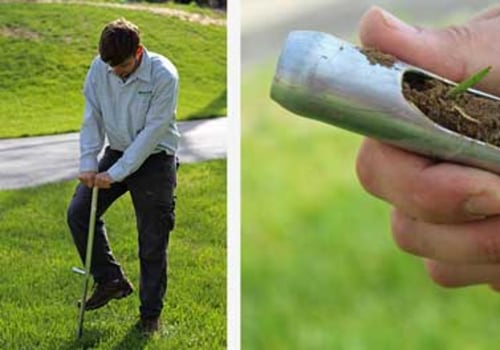
- Soil Testing Results: Conducting a soil test can provide valuable insights into nutrient levels.
If the results indicate deficiencies, it’s time to consider fertilization.
Best Practices for Turf Fertilization
Effective turf management relies heavily on proper fertilization practices. To achieve a lush, healthy lawn, it’s essential to understand the best practices for applying fertilizer.Timing Tips
The timing of fertilizer application is crucial. Generally, the best times to fertilize your turf are:- Spring: Apply a slow-release fertilizer in early spring as the grass begins to grow.
This provides essential nutrients during the active growing season.
- Summer: A light application in mid-summer can help maintain color and vigor, especially in high-traffic areas.
- Fall: Fertilizing in early fall is vital for cool-season grasses, as it helps them recover from summer stress and prepares them for winter.
Application Methods
Choosing the right method of application can significantly impact the effectiveness of your fertilization efforts. Here are some common methods:- Broadcast Spreader: This tool allows for even distribution of granular fertilizers across large areas. Ensure you calibrate it correctly to avoid over-fertilization.
- Drop Spreader: Ideal for smaller areas or precise applications, a drop spreader delivers fertilizer directly to the ground beneath it.
- Liquid Fertilizers: These can be applied using a sprayer and are often absorbed more quickly by the turf. They are particularly useful for quick nutrient boosts.
Safety Precautions
When applying fertilizer, safety should always be a priority.Here are some precautions to consider:
- Always wear protective gear, including gloves and a mask, to avoid skin contact and inhalation of chemicals.
- Avoid fertilizing before heavy rain to prevent runoff into water sources.
- Keep pets and children off treated areas until the fertilizer has been absorbed and the lawn is dry.
Common Mistakes in Turf Fertilization
When it comes to turf management, understanding the common mistakes in fertilization can save you time, money, and effort while ensuring a healthy lawn. Here are some prevalent errors to avoid:- Over-fertilizing: One of the most frequent mistakes is applying too much fertilizer. This can lead to a condition known as nutrient burn, where the grass becomes discolored and stressed. Over-fertilization can also promote excessive growth, making your lawn more susceptible to pests and diseases.
- Under-fertilizing: On the flip side, not providing enough nutrients can stunt grass growth and lead to a weak root system.
This makes your turf more vulnerable to drought and disease. Regular soil testing can help determine the right amount of fertilizer needed.
- Ignoring Timing: Fertilizing at the wrong time of year can hinder your lawn's health. For cool-season grasses, early spring and fall are ideal, while warm-season grasses thrive with fertilization in late spring and summer.
- Neglecting Soil Health: Failing to consider soil quality is another common oversight. Healthy soil is crucial for nutrient absorption.
Conducting a soil test can provide insights into pH levels and nutrient deficiencies, allowing for more targeted fertilization.
Frequently Asked Questions about Turf Fertilization
When it comes to turf management, understanding the nuances of turf fertilization is essential for maintaining a healthy lawn. Here are some frequently asked questions that can help clarify your fertilization strategy.How often should I fertilize my turf?
The frequency of fertilization largely depends on the type of grass you have and your local climate. Generally, cool-season grasses benefit from fertilization in early spring and fall, while warm-season grasses thrive with applications in late spring and summer.A good rule of thumb is to fertilize every 6 to 8 weeks during the growing season.
What type of fertilizer should I use?
Choosing the right fertilizer is crucial for effective lawn care. Look for a balanced fertilizer with a ratio of nitrogen, phosphorus, and potassium (N-P-K) that suits your grass type. For example, a 10-10-10 or 20-5-10 ratio can work well for most lawns. Additionally, consider using slow-release fertilizers to provide nutrients over an extended period.Can I over-fertilize my turf?
Yes, over-fertilization can lead to several issues, including burnt grass, increased pest problems, and nutrient runoff that harms the environment.Always follow the recommended application rates on the fertilizer package and consider conducting a soil test to determine your lawn's specific nutrient needs.
What are some signs that my turf needs fertilization?
- Pale or yellowing grass: This may indicate a nitrogen deficiency.
- Thin or sparse areas: If your lawn looks patchy, it might need more nutrients.
- Weed growth: Weeds often thrive in nutrient-deficient lawns, so if you see an increase in weeds, it may be time to fertilize.
Conclusion: Key Takeaways on Turf Fertilization Frequency
In summary, understanding how often to fertilize your turf is crucial for effective turf management. The frequency of fertilization can significantly impact the health and appearance of your lawn. Here are the key takeaways:- Seasonal Considerations: Fertilization should align with the growing season of your grass type.
Cool-season grasses typically benefit from fertilization in early spring and fall, while warm-season grasses thrive with applications in late spring and summer.
- Soil Testing: Conducting a soil test is essential to determine nutrient levels and pH balance. This will guide you in selecting the right fertilizer and adjusting the frequency based on specific needs.
- Type of Fertilizer: The choice between slow-release and quick-release fertilizers can affect how often you need to apply them. Slow-release fertilizers provide nutrients over an extended period, reducing the need for frequent applications.
- Environmental Factors: Weather conditions, such as rainfall and temperature, can influence nutrient uptake. Adjust your fertilization schedule accordingly to ensure optimal absorption by the turf.
- Signs of Nutrient Deficiency: Regularly monitor your lawn for signs of nutrient deficiency, such as discoloration or stunted growth.
These indicators can help you determine if more frequent fertilization is necessary.