Turf management is a critical aspect of maintaining healthy and vibrant landscapes, whether for residential lawns, sports fields, or commercial properties. However, many individuals and organizations fall into common pitfalls that can lead to subpar results. Understanding these turf management mistakes is essential for anyone looking to cultivate lush, green grass that thrives year-round. One of the most prevalent errors in turf care is neglecting soil health. Soil serves as the foundation for any turf, and its quality directly impacts grass growth and resilience.
Failing to conduct soil tests can result in imbalanced nutrient levels, leading to weak turf that is susceptible to pests and diseases. Additionally, improper watering practices can exacerbate these issues, either by overwatering or underwatering, both of which can stress the grass and promote weed growth. Another common mistake is overlooking the importance of proper mowing techniques. Many turf managers do not realize that cutting grass too short can weaken its root system and make it more vulnerable to environmental stressors. By understanding the ideal mowing height for different grass types and adjusting mowing frequency accordingly, turf managers can significantly enhance the health and appearance of their lawns. In summary, avoiding these common turf management errors is crucial for achieving sustainable and attractive landscapes.
By focusing on soil health, proper watering, and effective mowing practices, individuals can create a thriving turf environment that stands the test of time.
Neglecting Soil Health
In the realm of turf management, one of the most critical yet often overlooked aspects is soil health. Healthy soil serves as the foundation for vibrant, resilient turf, and neglecting it can lead to a cascade of problems that affect both the quality of the grass and the overall maintenance costs.Soil quality
directly influences nutrient availability, water retention, and root development. When soil health is compromised, turf can become susceptible to diseases, pests, and environmental stressors. This not only diminishes the aesthetic appeal of lawns but also increases the need for chemical treatments and additional resources to maintain a healthy appearance.The Importance of Soil Testing
Regular soil testing is essential in turf management.It provides valuable insights into pH levels, nutrient content, and organic matter. By understanding these factors, turf managers can make informed decisions about fertilization and amendments. For instance:
- pH Levels: A soil pH that is too high or too low can hinder nutrient absorption.
- Nutrient Deficiencies: Identifying deficiencies allows for targeted fertilization, reducing waste and cost.
- Organic Matter: Enhancing organic matter improves soil structure and moisture retention.
- Regular Soil Testing: Conduct tests at least once a year to monitor changes.
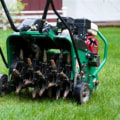
- Aeration: Aerate compacted soils to improve air and water movement.
- Organic Amendments: Incorporate compost or other organic materials to enhance soil structure.
By prioritizing soil quality through regular testing and appropriate amendments, turf managers can ensure lush, healthy lawns while minimizing long-term maintenance costs.
Improper Watering Techniques
One of the most critical aspects of turf management is understanding the importance of proper watering techniques. Many homeowners and landscapers make the mistake of either overwatering or underwatering, both of which can lead to significant issues in lawn health.Overwatering
- Overwatering can suffocate the roots, leading to a lack of oxygen and promoting fungal diseases.
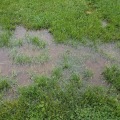
- Signs of overwatering include yellowing grass, a spongy feel underfoot, and pooling water.
- To avoid this, ensure that your turf receives about 1 to 1.5 inches of water per week, including rainfall.
Underwatering
- On the other hand, underwatering can cause stress to the grass, leading to browning and patchy areas.
- Signs of underwatering include wilting blades and a dry, brittle texture.
- A good rule of thumb is to check the soil moisture by digging down a few inches; if it feels dry, it’s time to water.
Irrigation Mistakes
- Another common mistake in turf management is improper irrigation system setup. Ensure that your sprinklers are evenly spaced and adjusted to avoid dry spots or oversaturated areas.
- Timing is also crucial; watering early in the morning reduces evaporation and allows grass to absorb moisture effectively.
- Avoid watering during windy conditions, as this can lead to uneven distribution and waste.
Lawn Watering Tips
- Consider using a rain gauge to monitor how much water your lawn receives from both irrigation and rainfall.
- Implementing a smart irrigation system can help automate watering schedules based on weather conditions.
- Lastly, always adjust your watering practices according to seasonal changes; for instance, less water is needed during cooler months.
Ignoring Pest and Disease Management
Effective turf management goes beyond just watering and mowing; it requires a keen eye for potential threats from pests and diseases. Ignoring these factors can lead to significant damage, resulting in costly repairs and a decline in turf quality.Pest Control in Turf Management
- Regularly inspect your turf for signs of pest activity, such as discoloration or unusual patches.
- Implement integrated pest management (IPM) strategies that combine cultural, biological, and chemical controls to minimize pest populations.
- Encourage beneficial insects that prey on common turf pests, reducing the need for chemical interventions.
Lawn Diseases Prevention
- Maintain proper watering practices; overwatering can create conditions conducive to fungal diseases.
- Ensure adequate air circulation by mowing at the correct height and avoiding excessive thatch buildup.
- Choose disease-resistant grass varieties suited to your local climate and soil conditions.
Turf Pest Management Strategies
- Regular Monitoring: Schedule routine checks of your turf to catch any issues early.
Look for changes in color, texture, or growth patterns.
- Soil Health: Test your soil regularly to ensure it has the right pH and nutrient levels, as healthy soil promotes robust grass that can better withstand pests and diseases.
- Education: Stay informed about common pests and diseases in your area. Local extension services or turf management professionals can provide valuable insights.
Inadequate Fertilization Practices
One of the most critical aspects of turf management is ensuring that your lawn receives the right amount of nutrients through proper fertilization. However, many homeowners and groundskeepers make common mistakes that can lead to poor turf health and wasted resources.1.Over-fertilization
- Applying too much fertilizer can cause nutrient burn, leading to brown patches and weakened grass.
- Excessive nitrogen can promote rapid growth, making the turf more susceptible to pests and diseases.
2.Under-fertilization
- On the flip side, not providing enough nutrients can result in weak, thin grass that struggles to thrive.
- This can lead to increased weed growth as the turf fails to establish a strong root system.
3.Ignoring Soil Testing
- Failing to conduct a soil test before fertilizing can lead to misapplication of nutrients.
Different soils have varying nutrient needs.
- A soil test helps identify pH levels and nutrient deficiencies, allowing for tailored fertilization strategies.
4.Timing of Application
- Applying fertilizer at the wrong time of year can hinder its effectiveness. For cool-season grasses, early spring and fall are ideal, while warm-season grasses benefit from late spring applications.
- Fertilizing during extreme heat or drought conditions can stress the grass further.
5.Choosing the Wrong Fertilizer
- Not all fertilizers are created equal. Selecting a product that does not match your grass type or local soil conditions can lead to poor results.
- Understanding the N-P-K ratio (Nitrogen-Phosphorus-Potassium) is essential for selecting the best fertilizers for grass.
Mowing Mistakes to Avoid
Proper mowing techniques are crucial for maintaining a healthy lawn, yet many homeowners make common mistakes that can negatively impact turf health.Understanding these errors can help you achieve a lush, vibrant lawn.
- Mowing Too Short: One of the most frequent mistakes is cutting grass too short, known as scalping. This practice stresses the grass and makes it more susceptible to weeds and diseases. Aim to keep your grass at the recommended height for its species, typically between 2.5 to 4 inches.
- Using Dull Blades: Mowing with dull blades tears the grass rather than cutting it cleanly, leading to ragged edges that can invite pests and diseases. Ensure your mower blades are sharpened regularly for a clean cut.
- Mowing Wet Grass: Mowing when the grass is wet can lead to uneven cuts and clumping of clippings, which can smother the grass beneath.
Wait until the lawn is dry to ensure an even cut and better overall health.
- Neglecting Mower Maintenance: Regular maintenance of your mower is essential. Check oil levels, air filters, and spark plugs to ensure optimal performance. A well-maintained mower will provide a better cut and enhance your lawn's appearance.
- Ignoring Grass Clippings: Many people bag their clippings without realizing that leaving them on the lawn can provide valuable nutrients back to the soil. If clippings are not excessive, consider using a mulching mower to recycle nutrients.
Implementing proper lawn care mowing tips, such as adjusting your mowing height according to seasonal changes and varying your mowing pattern, will also contribute to a more resilient turf.
Choosing the Wrong Grass Type
One of the most critical mistakes in turf management is selecting the wrong grass type for your lawn. The choice of grass can significantly impact the health, appearance, and maintenance requirements of your turf. Understanding the specific needs of your environment is essential to avoid future issues.When selecting grass types, consider the following factors:- Climate: Different grass species thrive in various climates. For instance, cool-season grasses like Kentucky bluegrass are ideal for northern regions, while warm-season grasses such as Bermuda or Zoysia are better suited for southern areas.
- Sunlight: Assess how much sunlight your lawn receives daily.
Some grasses require full sun, while others can tolerate shade. Choosing a grass type that matches your lawn's light conditions will promote healthier growth.
- Usage: Consider how you plan to use your lawn. High-traffic areas may benefit from durable grass types like tall fescue, which can withstand wear and tear better than more delicate varieties.
Consulting with local extension services or turf management professionals can also provide valuable insights into the best grass types for your specific area.In summary, choosing the right grass type is a foundational aspect of effective turf management. By aligning your selection with climate, sunlight exposure, and intended use, you can create a lush, resilient lawn that thrives for years to come.
Overlooking Seasonal Care Needs
One of the most significant mistakes in turf management is overlooking the specific care needs that change with the seasons. Each season presents unique challenges and opportunities for maintaining healthy grass, and neglecting these can lead to long-term damage.Spring Care:
As temperatures rise, grass begins to grow actively. This is the ideal time for:
- Fertilization: Apply a balanced fertilizer to promote robust growth.
- Weed Control: Early intervention can prevent weeds from taking hold.
- Aeration: Aerate the soil to improve air and nutrient penetration.
Summer Maintenance:
The heat can stress your turf, making it crucial to:
- Watering: Ensure deep watering early in the morning to reduce evaporation.
- Mowing: Keep the grass at a higher height to encourage deeper roots and shade the soil.
- Pest Management: Monitor for pests that thrive in warm weather and treat accordingly.
Fall Preparation:
As temperatures cool, focus on preparing your lawn for winter:
- Fertilization: Use a winterizer fertilizer to strengthen roots before dormancy.
- Leaf Removal: Regularly clear fallen leaves to prevent mold and disease.
- Aeration and Overseeding: Aerate again and consider overseeding to fill in bare spots.
Winter Care:
While grass may be dormant, some tasks are still essential:
- Equipment Maintenance: Service your lawn equipment during the off-season.
- Monitoring: Keep an eye out for snow mold or other winter diseases.
Neglecting seasonal maintenance not only affects the immediate appearance of your lawn but can also lead to costly repairs in the future. Proper turf management requires a proactive approach that adapts to the changing seasons, ensuring a lush and vibrant lawn year-round.
Conclusion: Key Takeaways on Turf Management Mistakes
In conclusion, effective turf management requires a keen understanding of the common pitfalls that can hinder the health and appearance of your lawn or turf area. By avoiding these mistakes, you can ensure a lush, vibrant landscape that thrives throughout the seasons. Here are the key takeaways to remember:- Neglecting Soil Health: Always prioritize soil testing and amendment. Healthy soil is the foundation of successful turf management.
- Improper Watering Practices: Overwatering or underwatering can lead to disease and stress.
Implement a consistent watering schedule based on weather conditions and turf needs.
- Ignoring Pest Control: Regular monitoring for pests and diseases is crucial. Early detection can save your turf from significant damage.
- Inadequate Mowing Techniques: Mow at the correct height for your grass type to promote healthy growth and reduce weed competition.
- Fertilization Errors: Apply fertilizers based on soil tests and follow recommended schedules to avoid nutrient imbalances.