Turf management is a critical aspect of maintaining vibrant and healthy landscapes, whether for residential lawns, sports fields, or public parks. It encompasses a range of practices aimed at promoting the growth of grass while preventing and managing various turf diseases that can compromise the integrity and appearance of these green spaces. Understanding the fundamentals of turf management is essential for anyone looking to cultivate a lush lawn or maintain a pristine playing surface. The importance of effective turf management cannot be overstated. Healthy turf not only enhances the aesthetic appeal of an area but also contributes to environmental benefits such as soil erosion control, improved air quality, and increased biodiversity.
However, achieving and sustaining this health requires vigilance against common turf diseases that can arise from factors like poor soil conditions, inadequate watering, and pest infestations. By recognizing the signs of these diseases early on, turf managers can implement timely interventions to mitigate damage. This article will delve into the various types of turf diseases that frequently affect grass and explore effective management strategies. From fungal infections to pest-related issues, understanding these challenges is key to maintaining a resilient turf system. As we navigate through the complexities of turf management, we will equip you with the knowledge needed to keep your lawns thriving and disease-free.
Overview of Common Turf Diseases
Turf diseases can significantly impact the health and appearance of lawns, sports fields, and golf courses.Understanding the common types of turf diseases is essential for effective turf management. Here are some of the most prevalent turf diseases:
- Brown Patch: This fungal disease is characterized by circular patches of brown grass, often appearing during warm, humid weather. It thrives in high-nitrogen environments and can spread rapidly if not managed.
- Dollar Spot: Named for the small, dollar-sized patches it creates, this disease is caused by a fungus that affects grasses during warm days and cool nights. Symptoms include light brown spots with a bleached appearance.
- Powdery Mildew: This disease manifests as a white, powdery coating on grass blades.
It typically occurs in shady areas with poor air circulation and can weaken the turf if left untreated.
- Red Thread: Common in cool, moist conditions, red thread appears as pink to red strands on grass blades. It primarily affects nitrogen-deficient lawns and can be managed through proper fertilization.
- Leaf Spot: This disease causes dark spots on grass blades, leading to premature leaf death. It is often exacerbated by high humidity and can be managed through improved air circulation and proper watering practices.
Recognizing these patterns is crucial for effective management.In summary, understanding the various types of turf diseases is vital for maintaining healthy turf. By identifying symptoms early and implementing appropriate management strategies, turf managers can mitigate the impact of these diseases and promote robust grass growth.
Fungal Diseases in Turf
Fungal diseases are among the most prevalent issues in turf management, often leading to unsightly lawns and weakened grass health. Two of the most common fungal diseases affecting turf are brown patch and dollar spot.Brown Patch
Brown patch is characterized by circular patches of brown or dead grass, typically ranging from a few inches to several feet in diameter. This disease thrives in warm, humid conditions, particularly when nighttime temperatures exceed 60°F.Factors such as excessive nitrogen fertilization, poor air circulation, and overwatering can exacerbate its development.
Dollar Spot
Dollar spot manifests as small, round patches of bleached grass that resemble silver dollars. It is most common in areas with high humidity and low nitrogen levels. This disease can spread rapidly during warm days followed by cool nights, making it a significant concern for turf managers.Management Strategies
- Proper Watering: Watering early in the morning allows grass to dry out during the day, reducing humidity levels that favor fungal growth.
- Nitrogen Management: Applying the right amount of nitrogen fertilizer can help maintain healthy turf while preventing excess growth that attracts fungi.
- Mowing Practices: Regular mowing at the appropriate height encourages healthy grass and reduces the likelihood of disease spread.
- Pesticides: In severe cases, fungicides may be necessary. It's essential to choose products specifically labeled for the target fungus and follow application guidelines carefully.
Bacterial Diseases Affecting Turf
Bacterial diseases can significantly impact the health and appearance of turf, leading to unsightly patches and weakened grass.Understanding these diseases is crucial for effective turf management.Some common bacterial diseases affecting turf include:
- Bacterial Leaf Spot: This disease manifests as small, dark spots on the leaves, often surrounded by yellow halos. It typically occurs in warm, humid conditions.
- Bacterial Blight: Characterized by rapid leaf dieback, this disease can cause entire patches of grass to turn brown. It is often exacerbated by overwatering and poor drainage.
- Soft Rot: This condition leads to a mushy texture in the grass, often resulting from excessive moisture and poor air circulation.
Once identified, consider the following management strategies:
- Improve Drainage: Ensure that your turf has proper drainage to prevent water accumulation, which can promote bacterial growth.
- Aerate the Soil: Aeration helps improve air circulation and reduces soil compaction, making it less conducive to bacterial diseases.
- Adjust Watering Practices: Water early in the day to allow grass blades to dry before evening. Avoid overwatering, which can create a favorable environment for bacteria.
- Use Resistant Varieties: When establishing new turf, consider using grass varieties that are resistant to common bacterial diseases.
- Apply Appropriate Treatments: In some cases, applying a bactericide may be necessary. Consult with a turf management professional for recommendations tailored to your specific situation.
Nematode Problems in Turf Management
Nematodes are microscopic roundworms that can pose a significant threat to the health of turfgrass. These pests can cause various symptoms, including yellowing, wilting, and stunted growth, which can ultimately lead to turf decline if not managed effectively.Identifying Turf Nematodes
- Symptoms: Look for irregular patches of grass that appear unhealthy, especially during periods of stress such as drought or heat.
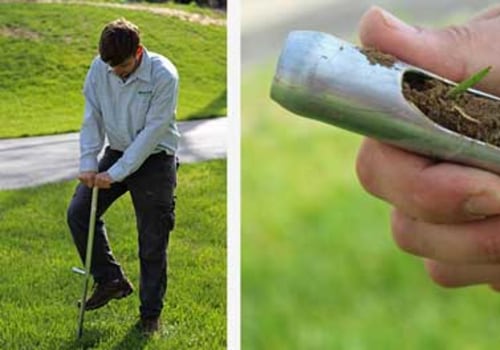
- Soil Testing: Conduct soil tests to identify nematode populations.
This can help determine the specific type of nematode affecting your turf.
- Visual Inspection: Examine roots for signs of damage or lesions, which can indicate nematode activity.
Managing Nematodes in Turf
Effective management of nematodes involves a combination of cultural practices and chemical controls:
- Cultural Practices: Implementing proper turf management techniques can help reduce nematode populations. This includes:
- Maintaining healthy soil through regular aeration and organic matter addition.
- Ensuring proper irrigation practices to avoid waterlogged conditions that favor nematode proliferation.
- Choosing resistant turfgrass varieties when establishing new lawns or overseeding existing ones.
- Chemical Controls: In cases of severe infestation, consider using nematicides. Always follow label instructions and consult with a turf management professional to select the appropriate product for your situation.
Nematode Control Strategies
A comprehensive approach to nematode control should include:
- Regular Monitoring: Keep an eye on turf health and conduct periodic soil tests to track nematode populations over time.
- Integrated Pest Management (IPM): Combine biological controls, such as beneficial nematodes, with cultural practices and chemical treatments for a holistic approach.
- Education: Stay informed about the latest research and developments in turf management to adapt your strategies as needed.
Environmental Factors Contributing to Turf Diseases
Understanding the environmental factors that contribute to turf diseases is crucial for effective turf management. Various elements such as moisture levels, temperature fluctuations, and soil conditions play significant roles in the health of turfgrass.Moisture Levels
- Excessive moisture can create a breeding ground for pathogens, leading to diseases like brown patch and powdery mildew.
- Conversely, insufficient moisture stresses the grass, making it more susceptible to diseases.
- Implementing proper irrigation practices can help maintain optimal moisture levels, reducing disease risk.
Temperature Fluctuations
- Turfgrass is sensitive to temperature changes; extreme heat or cold can weaken its defenses against diseases.
- For instance, warm-season grasses thrive in higher temperatures but may suffer from diseases like fusarium blight during cooler nights.
- Monitoring local weather patterns and adjusting maintenance schedules accordingly can mitigate these risks.
Soil Conditions
- The health of the soil directly impacts turfgrass vitality.
Poor soil quality can lead to nutrient deficiencies, making grass more vulnerable to diseases.
- Soil compaction can also restrict root growth and water infiltration, creating an environment conducive to disease.
- Regular soil testing and amendments, such as aeration and organic matter addition, can enhance soil health and resilience against turf diseases.
Integrated Pest Management (IPM) for Turf Diseases
Integrated Pest Management (IPM) is a comprehensive approach to managing turf diseases that emphasizes the use of a variety of strategies to maintain turf health while minimizing environmental impact. By combining cultural practices with targeted chemical controls, IPM aims to create a sustainable and resilient turf ecosystem.Key Strategies for IPM in Turf Management:
- Cultural Practices: Implementing proper cultural practices is essential for preventing turf diseases. This includes:
- Proper Mowing: Regular mowing at the correct height encourages healthy growth and reduces stress on the grass.
- Irrigation Management: Watering early in the day allows grass to dry out, reducing the likelihood of fungal diseases.
- Soil Health: Regular soil testing and amendments can improve nutrient availability and promote strong root systems.
- Monitoring and Identification: Regularly inspecting turf for signs of disease is crucial.
Early detection allows for timely intervention, which can prevent the spread of pathogens.
- Biological Controls: Utilizing beneficial organisms, such as predatory insects or microbial inoculants, can help suppress disease-causing pathogens naturally.
- Chemical Controls: When necessary, applying fungicides should be done judiciously and in accordance with local regulations. Targeted applications based on monitoring data can minimize chemical use while effectively managing outbreaks.
Preventative Measures for Healthy Turf
Maintaining healthy turf is essential for preventing disease outbreaks and ensuring a vibrant lawn. Implementing preventative measures can significantly enhance the resilience of your turf against various diseases.Here are some effective strategies for proactive turf management.
- Regular Mowing: Keeping your grass at the appropriate height is crucial. Mow regularly to avoid cutting more than one-third of the grass blade at a time, which can stress the plant and make it more susceptible to diseases.
- Proper Watering: Watering deeply but infrequently encourages deep root growth. Aim for early morning watering to reduce evaporation and fungal growth. Avoid overhead watering, which can leave grass blades wet and promote disease.
- Soil Health: Conduct soil tests to determine pH and nutrient levels.
Amend the soil as needed with organic matter or fertilizers to create a balanced environment that supports healthy turf growth.
- Fertilization: Use a slow-release fertilizer to provide nutrients over time. This helps maintain turf vigor and reduces the likelihood of disease by promoting strong, healthy grass.
- Pest Management: Monitor for pests regularly and use integrated pest management (IPM) strategies to control infestations without harming beneficial organisms.
- Aeration: Aerate your lawn annually to relieve soil compaction, improve water infiltration, and enhance root development. This practice also helps in reducing thatch buildup, which can harbor diseases.
FAQs About Turf Diseases and Management Strategies
Understanding turf diseases is crucial for effective turf management.Here are some frequently asked questions that can help you navigate common issues:
What are the most common types of turf diseases?
The most prevalent turf diseases include:- Brown Patch: A fungal disease that causes circular brown patches in the lawn, often exacerbated by high humidity and warm temperatures.
- Dollar Spot: Characterized by small, round, light brown patches, this disease thrives in warm, humid conditions and can spread quickly.
- Powdery Mildew: This fungal disease appears as a white powdery substance on grass blades, typically occurring in shady areas with poor air circulation.
- Red Thread: Notable for its reddish-pink threads on grass blades, this disease is often linked to nutrient deficiencies, particularly nitrogen.
How can I manage turf diseases effectively?
Effective management strategies include:- Regular Monitoring: Keep an eye on your lawn for early signs of disease. Early detection is key to successful management.
- Proper Watering: Water your lawn deeply but infrequently to encourage deep root growth and reduce moisture on the grass surface.
- Nutrient Management: Ensure your lawn receives adequate nutrients through soil testing and appropriate fertilization to promote healthy grass growth.
- Aeration: Aerate your lawn to improve air circulation and reduce soil compaction, which can help prevent disease development.
Conclusion: Key Takeaways on Turf Disease Management
In conclusion, effective turf management hinges on a comprehensive understanding of common turf diseases and their management strategies. By recognizing the signs and symptoms of these diseases early, turf managers can implement timely interventions that minimize damage and promote healthy growth. Here are the key takeaways regarding turf disease management:- Identification is Crucial: Regularly inspect your turf for any signs of disease, such as discoloration, wilting, or unusual growth patterns. Early detection is vital for effective management.
- Know Your Enemy: Familiarize yourself with the most common turf diseases, including brown patch, dollar spot, and powdery mildew.
Understanding their specific conditions and life cycles can help in developing targeted management strategies.
- Implement Cultural Practices: Adopt best practices such as proper mowing, watering, and fertilization to create an environment that is less conducive to disease development. For instance, avoid overwatering and ensure proper drainage to reduce fungal growth.
- Pest Management: Integrate pest management techniques to control insects that may exacerbate turf diseases. This includes monitoring pest populations and applying appropriate treatments when necessary.
- Utilize Chemical Controls Wisely: When cultural practices are insufficient, consider using fungicides as a last resort. Always follow label instructions and apply them judiciously to minimize environmental impact.
Remember that ongoing education and adaptation to changing conditions are essential for long-term success in managing turf health.