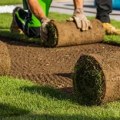
Turf management is a vital practice that encompasses the cultivation, maintenance, and enhancement of grassed areas, whether they be residential lawns, sports fields, or public parks. Understanding the intricacies of turf management is essential for anyone looking to maintain a lush, healthy landscape. It involves a comprehensive approach that includes soil health, pest control, fertilization, and most importantly, irrigation. Proper irrigation not only ensures that grass receives the necessary moisture but also plays a crucial role in promoting deep root growth and overall turf resilience. The importance of turf management cannot be overstated.
Healthy turf contributes significantly to environmental benefits such as air purification, temperature regulation, and erosion control. Moreover, well-maintained grass areas enhance the aesthetic appeal of properties and provide recreational spaces for communities. By investing time and resources into effective turf management practices, property owners can enjoy these benefits while also reducing long-term maintenance costs. One of the key components of successful turf management is understanding the benefits of proper irrigation. Adequate watering not only supports grass health but also helps in preventing issues such as disease and weed proliferation.
When irrigation is tailored to the specific needs of the turf type and local climate conditions, it leads to more efficient water use and promotes sustainability. As we delve deeper into this topic, we will explore how to determine the appropriate amount of irrigation for turf, ensuring that your grass remains vibrant and thriving throughout the seasons.
Factors Influencing Irrigation Needs for Turf
Determining the appropriate amount of irrigation for turf is a multifaceted process influenced by several key factors. Understanding these factors is essential for effective turf management and ensuring healthy, vibrant grass.- Climate: The local climate plays a significant role in turf irrigation needs. Regions with high temperatures and low humidity typically require more frequent watering compared to cooler, more humid areas.
Additionally, seasonal changes can affect water requirements; for instance, during hot summer months, turf may need up to 50% more water than in spring or fall.
- Soil Type: The type of soil in which the turf is planted greatly influences its water retention capabilities. Sandy soils drain quickly and may require more frequent irrigation, while clay soils retain moisture longer but can become compacted, leading to poor drainage. Conducting a soil test can help determine the best irrigation strategy based on soil composition.
- Grass Species: Different grass species have varying water needs. For example, cool-season grasses like Kentucky bluegrass thrive in cooler temperatures and may require less water during the summer months compared to warm-season grasses like Bermuda grass, which flourish in heat and may need more frequent irrigation.
- Environmental Conditions: Factors such as shade from trees or buildings can impact how much water turf requires.
Areas that receive full sun will dry out faster and need more irrigation than shaded areas. Additionally, wind can increase evaporation rates, necessitating adjustments in watering schedules.
Assessing Soil Moisture Levels
To effectively manage turf, understanding soil moisture levels is crucial. Proper assessment ensures that your turf receives the right amount of water, promoting healthy growth and preventing issues such as disease or drought stress.How to Measure Soil Moisture
There are several methods to measure soil moisture, ranging from simple visual inspections to advanced technology:- Visual Inspection: Look for signs of dry turf, such as discoloration or wilting. Healthy grass typically has a vibrant green color, while dry areas may appear brown or straw-like.
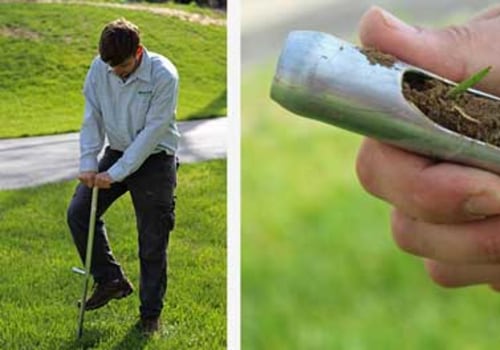
- Soil Probe: A soil probe can be used to extract a small sample of soil.
By feeling the soil's texture and moisture content, you can gauge whether it is dry or adequately moist.
- Moisture Sensors: For a more precise measurement, consider using soil moisture sensors. These devices can provide real-time data on moisture levels at various depths, allowing for more accurate irrigation scheduling.
Signs of Dry Turf
In addition to using tools, being observant of your turf's condition can help you determine its moisture needs:- Color Change: As mentioned, a shift from green to brown is a clear indicator of dryness.
- Footprint Test: Walk on your turf; if your footprints remain visible for an extended period, it may indicate that the grass is not receiving enough water.
- Leaf Curling: Grass blades may curl or fold inwards when they are under stress due to lack of moisture.
Calculating Water Requirements for Different Turf Types
Understanding the water requirements for different types of turf is essential for effective turf management. The amount of water needed varies significantly between cool-season grasses and warm-season grasses, each having unique characteristics that influence their irrigation needs.Water Requirements for Cool-Season Grasses
Cool-season grasses, such as Kentucky bluegrass and fescue, thrive in the northern regions where temperatures are moderate.These grasses typically require about 1 to 1.5 inches of water per week during the growing season. To determine the exact amount:
- Soil Type: Sandy soils drain quickly and may need more frequent watering, while clay soils retain moisture longer.
- Weather Conditions: Hot, dry spells increase evaporation rates, necessitating additional irrigation.
- Growth Stage: Newly established lawns require more water than mature ones.
Water Needs for Warm-Season Grasses
In contrast, warm-season grasses like Bermuda and zoysia flourish in southern climates and are more drought-resistant. They generally need about 0.5 to 1 inch of water per week. Key factors to consider include:- Heat Tolerance: Warm-season grasses can withstand higher temperatures but still require adequate moisture during peak growth periods.
- Irrigation Timing: Watering early in the morning reduces evaporation losses and promotes deeper root growth.
- Soil Moisture Monitoring: Using a soil moisture meter can help determine when to irrigate, ensuring optimal water usage.
This will help you adjust your irrigation schedule based on actual needs rather than estimates, leading to healthier turf and more efficient water use.
Irrigation Techniques and Best Practices
Effective irrigation techniques are crucial for successful turf management. Choosing the right method can significantly impact water efficiency, turf health, and overall maintenance costs. Two popular irrigation methods are drip irrigation and sprinkler systems, each with its own advantages and considerations.Drip vs. Sprinkler Irrigation
Drip irrigation delivers water directly to the root zone of the plants through a network of tubing and emitters.This method minimizes water waste by reducing evaporation and runoff, making it an excellent choice for areas with limited water supply. Additionally, drip systems can be easily automated, allowing for precise control over watering schedules.On the other hand, sprinkler systems are more versatile and can cover larger areas more quickly. They distribute water evenly across the turf, which is beneficial for maintaining lush green lawns. However, they can be less efficient in windy conditions or during high temperatures when evaporation rates increase.
Timing of Irrigation
The timing of irrigation plays a vital role in maximizing efficiency.It is generally recommended to water early in the morning or late in the evening when temperatures are cooler, reducing evaporation losses. Watering during these times allows the turf to absorb moisture effectively, promoting deeper root growth and healthier grass.In addition to timing, monitoring soil moisture levels can help determine when to irrigate. Utilizing tools such as soil moisture sensors can provide real-time data, ensuring that you only water when necessary. This not only conserves water but also supports sustainable turf management.In conclusion, selecting the appropriate irrigation method and timing is essential for effective turf management.
By understanding the benefits of drip versus sprinkler systems and optimizing watering schedules, turf managers can enhance lawn health while conserving resources.
Common Mistakes in Turf Irrigation and How to Avoid Them
Effective turf management requires a keen understanding of irrigation practices, yet many homeowners and landscapers fall into common traps that can lead to unhealthy grass. Here are some prevalent mistakes in turf irrigation and how to avoid them:- Overwatering Turf: One of the most frequent errors is applying too much water. Overwatering can suffocate roots, promote disease, and waste valuable resources. To prevent this, monitor rainfall and adjust your irrigation schedule accordingly.
A good rule of thumb is to aim for about 1 to 1.5 inches of water per week, including rainfall.
- Underwatering Turf: Conversely, underwatering can lead to dry patches and weak grass. Signs of underwatering include browning grass and footprints that remain visible after walking on the lawn. To combat this, establish a consistent watering routine, ensuring that the turf receives adequate moisture, especially during hot summer months.
- Irrigating at the Wrong Time: Watering during the hottest part of the day can lead to significant evaporation losses. Instead, schedule irrigation early in the morning or late in the evening when temperatures are cooler.
This practice not only conserves water but also allows for better absorption by the soil.
- Ignoring Soil Type: Different soil types have varying water retention capabilities. Sandy soils drain quickly and may require more frequent watering, while clay soils retain moisture longer. Conduct a soil test to understand your lawn's specific needs and adjust your irrigation practices accordingly.
Seasonal Adjustments to Irrigation Practices
Effective turf management requires a keen understanding of how seasonal changes impact irrigation needs.Adjusting your watering practices according to the season not only conserves water but also promotes healthier turf growth.
Spring and Fall Adjustments
During the spring and fall, temperatures are moderate, and rainfall is often more frequent. This means that turf typically requires less irrigation. It’s essential to monitor soil moisture levels closely during these seasons. A good rule of thumb is to water deeply but infrequently, allowing the soil to dry out slightly between watering sessions.This encourages deep root growth, which is vital for turf resilience.
Summer Irrigation Strategies
In contrast, summer brings higher temperatures and increased evaporation rates, necessitating more frequent irrigation. Here are some strategies to consider:- Water Early or Late: Watering in the early morning or late evening minimizes evaporation losses.
- Adjust Frequency: Increase the frequency of watering sessions to ensure the turf receives adequate moisture.
- Monitor Weather Patterns: Be aware of local weather forecasts; adjust your irrigation schedule based on rainfall predictions.
Winter Watering for Turf
While many assume that turf requires no water during winter, this is not entirely accurate. In regions with mild winters, occasional watering may be necessary, especially during dry spells. The key is to avoid overwatering, which can lead to disease and root rot.Aim for a light watering if the ground is dry and temperatures are above freezing.By understanding these seasonal adjustments in irrigation practices, you can enhance your turf management strategy, ensuring a lush and healthy lawn year-round.
FAQs About Turf Irrigation Management
When it comes to turf irrigation management, many homeowners and landscape professionals have questions that can significantly impact the health and appearance of their lawns. Here are some frequently asked questions that address common concerns and troubleshooting tips.What is the best time to water my turf?
The ideal time to water your turf is early in the morning, typically between 4 AM and 10 AM. This timing allows the grass to absorb moisture before the heat of the day causes evaporation. Watering in the evening can lead to prolonged moisture on the grass blades, increasing the risk of fungal diseases.How do I know if my turf needs water?
- Soil Moisture Test: Stick a finger about an inch into the soil.
If it feels dry, it’s time to water.
- Grass Color: If your turf starts to turn a dull green or bluish hue, it may be under stress from lack of water.
- Footprint Test: If your footprints remain visible after walking on the grass, it’s a sign that your turf is thirsty.
How much water does my turf need?
A general rule of thumb is to provide about 1 to 1.5 inches of water per week, including rainfall. This amount can vary based on factors such as grass type, soil condition, and weather patterns. It’s essential to adjust your irrigation schedule accordingly during hot or dry spells.What are common issues with turf irrigation?
- Overwatering: This can lead to shallow root systems and increased susceptibility to pests and diseases.
- Underwatering: Insufficient moisture can cause stress, leading to brown patches and weed growth.
- Poor Drainage: Waterlogged areas can result in root rot and other complications.
Conclusion: Key Takeaways for Effective Turf Irrigation Management
In summary, effective turf management hinges on the ability to determine the right amount of irrigation.Proper irrigation not only promotes healthy grass growth but also conserves water and reduces costs. Here are the key takeaways to consider:
- Understand Soil Type: Different soil types retain moisture differently. Sandy soils drain quickly and may require more frequent watering, while clay soils retain moisture longer.
- Monitor Weather Conditions: Keep an eye on local weather forecasts. Adjust your irrigation schedule based on rainfall and temperature to avoid overwatering.
- Utilize Soil Moisture Sensors: Investing in soil moisture sensors can provide real-time data on soil conditions, helping you make informed decisions about when and how much to irrigate.
- Follow the 1-inch Rule: A general guideline is to provide about 1 inch of water per week, including rainfall.
This amount can vary based on turf type and environmental conditions.
- Time Your Irrigation Wisely: Watering early in the morning reduces evaporation and allows grass to absorb moisture effectively.