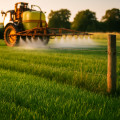
Turf management is a vital aspect of maintaining healthy and vibrant lawns, sports fields, and recreational areas. It encompasses a range of practices aimed at promoting optimal growth and resilience of turfgrass. Among these practices, topdressing stands out as a crucial technique that not only enhances the aesthetic appeal of the turf but also significantly contributes to its overall health. Understanding the relationship between turf management and topdressing is essential for anyone looking to achieve a lush, green landscape. Topdressing involves applying a thin layer of organic or inorganic material, such as compost or sand, over the surface of the turf.
This practice serves multiple purposes: it improves soil structure, enhances nutrient availability, and promotes better water retention. By incorporating topdressing into your lawn care routine, you can effectively address common issues such as compaction and uneven surfaces, which can hinder the growth of healthy grass. Moreover, timing is critical when it comes to topdressing. Knowing when to apply this technique can make all the difference in achieving optimal results. Factors such as grass type, climate conditions, and soil health play a significant role in determining the best time for topdressing.
As we delve deeper into this topic, we will explore the various benefits of topdressing in turf management, along with practical tips on how to implement it effectively for a thriving lawn.
What is Topdressing?
Topdressing is a vital practice in turf management that involves applying a thin layer of material over the surface of the turf. This process is designed to improve the overall health and appearance of the grass, ensuring it remains lush and vibrant. The materials used for topdressing can vary, but they typically include a mixture of sand, compost, and soil. Each component serves a specific purpose, contributing to the turf's growth and resilience.The primary definition of topdressing can be summarized as the application of a carefully selected blend of organic and inorganic materials to enhance soil quality and promote healthy grass growth.This technique not only helps in leveling uneven surfaces but also aids in improving drainage, reducing compaction, and enhancing nutrient availability.
Benefits of Topdressing
- Improved Soil Structure: Topdressing helps to break up compacted soil, allowing for better air circulation and root development.
- Nutrient Enhancement: By incorporating organic matter, topdressing enriches the soil with essential nutrients that support healthy turf growth.
- Moisture Retention: The materials used in topdressing can help retain moisture in the soil, reducing the need for frequent watering.
- Pest and Disease Resistance: A well-maintained turf through topdressing can be more resilient against pests and diseases.
- Aesthetic Improvement: Regular topdressing contributes to a smoother, more uniform lawn surface, enhancing its visual appeal.
Benefits of Topdressing in Turf Management
Topdressing is a vital practice in turf management that offers numerous benefits, significantly enhancing the overall health and appearance of turf. By applying a thin layer of organic or inorganic material to the surface of the soil, turf managers can address various issues that affect grass growth and vitality.Improved Soil Health
One of the primary advantages of topdressing is the improvement of soil health. The added material can help to:- Increase organic matter: This enhances microbial activity, which is essential for nutrient cycling.
- Improve soil structure: A well-structured soil promotes better root development and resilience against environmental stressors.
Enhanced Drainage
Another significant benefit of topdressing is enhanced drainage.Proper drainage is crucial for preventing waterlogging, which can lead to root rot and other diseases. Topdressing helps to:
- Reduce compaction: Compacted soils hinder water movement; topdressing alleviates this issue.
- Facilitate better water infiltration: This ensures that water reaches the root zone more effectively.
Better Nutrient Distribution
Topdressing also plays a critical role in nutrient distribution across the turf. By applying a balanced mix of nutrients, turf managers can:- Ensure even nutrient availability: This prevents localized deficiencies that can lead to uneven growth.
- Enhance fertilizer efficiency: Topdressing can help retain nutrients in the soil, making them more accessible to grass roots.
When Should Topdressing Be Done?
Timing is crucial when it comes to topdressing in turf management.The effectiveness of this practice largely depends on the growth cycle of the grass and the prevailing climate conditions. Understanding when to topdress can significantly enhance the health and appearance of your turf.
Optimal Timing for Topdressing
The best time for topdressing typically aligns with the active growth periods of the grass. For cool-season grasses, such as Kentucky bluegrass and fescue, early spring or early fall are ideal times. During these seasons, the grass is actively growing, allowing it to recover quickly from the disturbance caused by topdressing.Conversely, warm-season grasses like Bermuda and Zoysia thrive in late spring to early summer.Topdressing during this period ensures that the grass can take full advantage of the nutrients and improved soil structure provided by the topdressing material.
Seasonal Considerations
- Spring: Ideal for cool-season grasses; promotes quick recovery and nutrient uptake.
- Summer: Best for warm-season grasses; supports growth during peak activity.
- Fall: A second opportunity for cool-season grasses; helps prepare turf for winter.
- Winter: Generally not recommended; cold temperatures can hinder recovery.
How to Topdress Your Lawn Effectively
Topdressing your lawn is a straightforward process that can significantly enhance its health and appearance.Here’s a step-by-step guide to help you execute topdressing effectively.
- Choose the Right Material: Select a topdressing material that suits your lawn's needs. Common options include compost, sand, or a mix of both. Ensure the material is free of weeds and pathogens.
- Prepare Your Lawn: Mow your grass to a shorter height than usual, typically around 1.5 to 2 inches. This allows the topdressing to make better contact with the soil and reduces the risk of smothering the grass.
- Moisten the Soil: Water your lawn lightly before applying the topdressing.
This helps the material settle into the soil more effectively and reduces dust during application.
- Apply the Topdressing: Use a shovel or a spreader to distribute the topdressing evenly across your lawn. Aim for a layer that is about 1/4 to 1/2 inch thick. Avoid piling it up too high, as this can suffocate your grass.
- Work It In: After applying, use a rake to work the topdressing into the grass and soil. This step is crucial as it helps integrate the material with existing soil and promotes better nutrient absorption.
- Water Again: Once you’ve finished raking, water your lawn thoroughly.
This helps settle the topdressing and ensures that nutrients begin to penetrate into the soil.
Common Mistakes to Avoid When Topdressing
Topdressing can significantly enhance the health and appearance of your turf, but several common mistakes can undermine its effectiveness. By being aware of these pitfalls, you can ensure that your topdressing efforts contribute positively to your turf management strategy.- Applying Too Much Material: One of the most frequent errors is over-application of topdressing material. Excessive layers can smother grass and lead to poor air circulation.
Aim for a thin layer, typically no more than 1/4 inch, to allow for proper growth and recovery.
- Ignoring Soil Testing: Failing to conduct a soil test before topdressing can result in applying the wrong type of material. Understanding your soil's pH and nutrient levels is crucial for selecting the appropriate topdressing mix that will benefit your turf.
- Topdressing at the Wrong Time: Timing is essential in turf management. Topdressing during extreme weather conditions, such as high heat or heavy rain, can hinder the establishment of new grass. The best times to topdress are during the growing season when the grass is actively growing.
- Neglecting to Aerate: Skipping aeration before topdressing is a common mistake.
Aerating the soil allows for better penetration of the topdressing material and improves root development. This step is vital for achieving optimal results.
- Using Inappropriate Materials: Not all materials are suitable for topdressing. Using heavy or clay-based soils can lead to compaction issues. Instead, opt for a well-balanced mix that includes organic matter, sand, and compost to promote healthy turf growth.
Remember that careful planning and execution are key to successful topdressing.
FAQs About Topdressing in Turf Management
Topdressing is a crucial practice in turf management that involves applying a thin layer of material, typically soil or compost, over the surface of the turf. This process can enhance the health and appearance of your lawn, but many people have questions about its implementation and benefits.What materials are commonly used for topdressing?
The most common materials used for topdressing include:- Compost: Rich in nutrients, compost improves soil structure and promotes microbial activity.
- Sandy loam: This mixture provides good drainage and aeration, making it ideal for heavy clay soils.
- Peat moss: Helps retain moisture and improves soil texture.
- Soil blends: Custom mixes can be created to meet specific turf needs.
When is the best time to topdress?
The timing of topdressing is essential for maximizing its benefits. Generally, the best times to topdress are:- Spring: As the grass begins to grow actively, topdressing can help rejuvenate the lawn after winter.
- Fall: This is an excellent time to prepare your turf for winter and improve its resilience against cold temperatures.
How often should I topdress my lawn?
The frequency of topdressing depends on several factors, including the type of grass, soil condition, and overall lawn health. Typically, a light topdressing once or twice a year is sufficient for most lawns.However, heavily used areas or those with poor soil may benefit from more frequent applications.
Can topdressing help with lawn diseases?
Yes, topdressing can aid in disease prevention by improving soil health and promoting strong root systems. Healthy grass is more resilient to diseases, and a well-balanced topdressing mix can introduce beneficial microorganisms that combat pathogens.If you have further questions about topdressing or turf management, consulting with a local turf specialist can provide tailored advice based on your specific lawn conditions.Conclusion: The Importance of Topdressing in Turf Management
In conclusion, topdressing is a vital practice in turf management that significantly enhances the health and appearance of turfgrass. By applying a thin layer of soil or organic material, turf managers can improve soil structure, increase nutrient availability, and promote better water retention. Understanding when and how to implement topdressing is crucial for achieving optimal results.Key takeaways include:- Timing: The best times to topdress are during the growing season, particularly in spring and early fall, when grass is actively growing and can benefit from the added nutrients.
- Material Selection: Choosing the right topdressing material—whether it be sand, compost, or a blend—can influence the effectiveness of the practice.
Each type has its own benefits depending on the specific needs of the turf.
- Application Techniques: Proper application techniques are essential. A uniform layer ensures that all areas receive equal treatment, which helps prevent issues such as uneven growth or thatch buildup.
- Long-term Benefits: Regular topdressing not only improves immediate turf quality but also contributes to long-term soil health, making it easier to manage pests and diseases.