Understanding turf health and quality is essential for anyone involved in turf management, whether you are a homeowner, a groundskeeper, or a landscape professional. Healthy turf not only enhances the aesthetic appeal of a property but also contributes to environmental benefits such as erosion control and improved air quality. The vitality of your turf can significantly impact its resilience against pests, diseases, and environmental stressors, making it crucial to assess its condition regularly. To effectively manage turf, one must first grasp the fundamental aspects of its health and quality. This involves evaluating various factors such as soil composition, moisture levels, and grass species.
Each of these elements plays a pivotal role in determining how well your turf can thrive under different conditions. For instance, understanding the specific needs of your grass type can lead to more informed decisions regarding watering schedules, fertilization, and pest control. Moreover, measuring turf health goes beyond mere observation; it requires a systematic approach that includes monitoring growth patterns, color vibrancy, and overall density. By establishing a baseline for these metrics, turf managers can identify potential issues early on and implement corrective measures before they escalate. In the following sections, we will delve deeper into the specific metrics and practices that can help you maintain optimal turf health and quality.
Key Indicators of Turf Health
Assessing the health and quality of a turf area is essential for effective turf management.Several key indicators can help determine the overall condition of your turf, ensuring it remains lush and vibrant.
Color
The color of the turf is one of the most immediate indicators of its health. Healthy turf typically exhibits a rich, deep green hue. If the grass appears yellow or brown, it may indicate nutrient deficiencies, drought stress, or disease. Regularly monitoring color can provide quick insights into the turf's needs.Density
Turf density refers to how closely the grass blades grow together.A dense turf is not only visually appealing but also more resilient to wear and tear. Sparse areas can be a sign of poor soil health, inadequate watering, or pest issues. To assess density, look for uniformity in growth; any bare patches should be addressed promptly to maintain overall quality.
Texture
The texture of the turf can also indicate its health. Healthy grass should feel soft and pliable underfoot.If the turf feels coarse or brittle, it may be suffering from environmental stressors or improper maintenance practices. Regular aeration and proper mowing techniques can help improve texture.
Growth Patterns
Observing growth patterns is crucial in understanding turf health. Consistent growth during the growing season indicates that the turf is receiving adequate water and nutrients. Conversely, irregular growth can signal underlying issues such as compaction or pest infestations.Keeping track of growth rates can help in making informed decisions about fertilization and irrigation schedules.In summary, by closely monitoring these key indicators—color, density, texture, and growth patterns—you can effectively assess the health and quality of your turf area. This proactive approach to turf management will lead to a more resilient and attractive lawn.
Soil Quality and Its Impact on Turf Health
Maintaining a healthy turf area begins with understanding the soil quality. The soil serves as the foundation for grass growth, providing essential nutrients, water retention, and a habitat for beneficial microorganisms. Poor soil quality can lead to weak turf that is susceptible to diseases, pests, and environmental stress.Soil testing
is a critical step in assessing soil health.This process involves collecting soil samples from various locations within the turf area and analyzing them for pH levels, nutrient content, and organic matter. A typical soil test will measure key nutrients such as nitrogen, phosphorus, and potassium, which are vital for grass growth. Additionally, it will assess the soil's pH level, which affects nutrient availability. Ideally, turfgrass thrives in a pH range of 6.0 to 7.0.There are several methods for conducting soil tests:
- DIY Soil Test Kits: Available at garden centers, these kits allow homeowners to test their soil at home.
- Professional Soil Testing Services: Many agricultural extension services and private labs offer comprehensive testing and analysis.
- Soil Texture: The proportion of sand, silt, and clay affects drainage and nutrient retention.
- Organic Matter Content: Higher levels of organic matter improve soil structure and nutrient availability.
- Microbial Activity: A thriving population of beneficial microbes indicates healthy soil.
Implementing amendments based on test results—such as lime to adjust pH or compost to increase organic matter—can significantly enhance turf health over time.
Water Management and Its Role in Turf Quality
Effective water management is crucial for maintaining the health and quality of turf areas. Proper irrigation practices not only ensure that grass receives adequate moisture but also help prevent issues such as disease and weed growth. Understanding the specific watering needs of your turf type is essential for optimal growth.Irrigation techniques
can vary widely, but the goal remains the same: to deliver water efficiently and effectively. Here are some common methods:- Sprinkler Systems: These are popular for larger areas and can be automated to provide consistent coverage.
- Drip Irrigation: Ideal for smaller or more delicate turf areas, this method delivers water directly to the root zone, minimizing waste.
- Soaker Hoses: These hoses allow water to seep out slowly, providing a gentle watering option for established lawns.
Generally, turf should receive about 1 to 1.5 inches of water per week, either from rainfall or irrigation. However, this can vary based on factors such as:
- Grass type: Different species have varying moisture requirements.
- Soil type: Sandy soils drain quickly and may require more frequent watering compared to clay soils.
- Weather conditions: Hot, dry spells may necessitate increased irrigation.
- French Drains: These systems redirect excess water away from turf areas.
- Aeration: This process improves soil structure and allows for better water infiltration.
Nutrient Management for Optimal Turf Growth
Effective nutrient management is crucial for achieving optimal turf growth and maintaining a vibrant lawn.Understanding the specific nutrient requirements for grass is the first step in developing a successful fertilization strategy.
Turf fertilization
should be tailored to the type of grass, soil conditions, and local climate. A well-planned fertilization schedule typically includes:- Spring Application: This is when grass begins to grow actively. A balanced fertilizer with a higher nitrogen content promotes lush growth.
- Summer Feeding: Use slow-release fertilizers to provide nutrients gradually, helping the turf withstand heat stress.
- Fall Fertilization: This application prepares the grass for winter by enhancing root development and overall health.
- Nitrogen (N): Essential for leaf growth and color.
- Phosphorus (P): Important for root development and flowering.
- Potassium (K): Enhances drought resistance and overall plant health.
- Pale or yellowing grass: Often a sign of nitrogen deficiency.
- Poor root development: May indicate a lack of phosphorus.
- Disease susceptibility: Can be exacerbated by insufficient potassium levels.
This practice allows for precise adjustments in your fertilization plan, ensuring that your turf receives the right nutrients at the right time. By implementing these lawn care nutrients strategies, you can cultivate a healthy, resilient turf area that thrives throughout the seasons.
Pest and Disease Management in Turf Areas
Maintaining a healthy turf area requires vigilance against pests and diseases that can compromise its quality. Understanding the common threats to your lawn is essential for effective turf management.Identifying Turf Pests
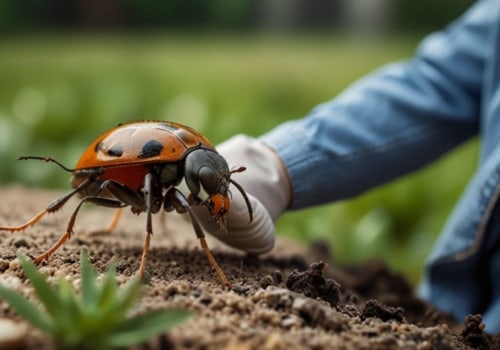
Turf pests can vary widely, but some of the most common include:- Grubs: These larvae of beetles feed on grassroots, leading to brown patches and a spongy feel underfoot.
- Chinch Bugs: Particularly harmful in hot weather, they suck the sap from grass blades, causing yellowing and wilting.
- Armyworms: These caterpillars can quickly defoliate a lawn, leaving it looking ragged.
Common Turf Diseases
Diseases can also wreak havoc on turf health. Some prevalent turf diseases include:- Brown Patch: This fungal disease appears as circular brown patches, especially in warm, humid conditions.
- Pythium Blight: Often seen in wet conditions, it causes rapid turf decline and can be fatal if not treated promptly.
- Dollar Spot: Characterized by small, round patches of dead grass, this disease thrives in dry conditions.
Pest Control Strategies
Effective pest control for lawns involves a combination of prevention and treatment:- Regular Monitoring: Inspect your lawn frequently for signs of pests or disease.
Early detection is key to managing outbreaks.
- Cultural Practices: Maintain proper mowing heights, irrigation practices, and fertilization schedules to promote healthy grass that can withstand pests and diseases.
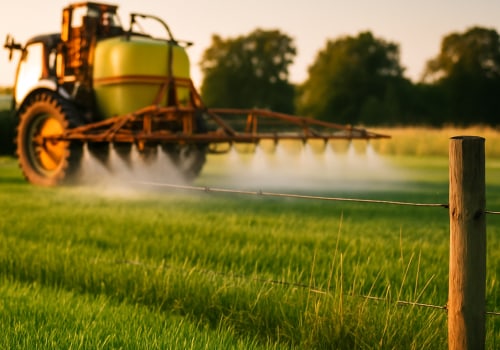
- Pesticides and Fungicides: When necessary, apply targeted treatments according to the specific pest or disease identified. Always follow label instructions for safe application.
Measuring Turf Quality: Tools and Techniques
Measuring the health and quality of a turf area is essential for effective turf management. Various tools and techniques can be employed to assess both qualitative and quantitative aspects of lawn quality.Turf Measurement Tools
- Soil Moisture Sensors: These devices help determine the moisture levels in the soil, which is crucial for maintaining healthy turf. Proper moisture levels can prevent stress and promote growth.
- Grass Height Mowers: Using a mower with height adjustment features allows for consistent grass height, which is an important factor in turf quality.
Regular mowing at the correct height encourages denser growth.
- Color Measurement Tools: Colorimeters can quantify the color of grass, providing insights into its health. A vibrant green color typically indicates good nutrient levels and overall vitality.
Assessing Lawn Quality
In addition to tools, qualitative assessments play a significant role in evaluating turf quality. Here are some key factors to consider:- Uniformity: A healthy turf should exhibit uniform color and texture. Spotty or uneven areas may indicate issues such as pest infestations or nutrient deficiencies.
- Disease Presence: Regularly inspecting for signs of disease, such as discoloration or wilting, is vital.
Early detection can prevent further damage.
- Root Health: Assessing root depth and density can provide insights into the overall health of the turf. Strong roots are essential for nutrient uptake and drought resistance.
Turf Evaluation Techniques
Several evaluation techniques can be employed to gain a comprehensive understanding of turf health:- Visual Inspection: Regularly walking through the turf area to visually assess its condition can help identify problems early.
- Soil Testing: Conducting soil tests to analyze pH levels and nutrient content is crucial for informed fertilization and amendment strategies.
- Turf Density Measurements: Using a turf density meter can provide quantitative data on how thickly grass is growing, which is an indicator of overall health.
Best Practices for Maintaining Healthy Turf Areas
Maintaining a healthy turf area requires a combination of consistent care and sustainable practices. Here are some best practices to ensure your turf remains vibrant and resilient:- Regular Mowing: Keep your grass at the appropriate height for its species. Generally, mowing at a height of 2.5 to 3.5 inches encourages deeper root growth and helps shade out weeds.
- Proper Watering: Water deeply but infrequently to encourage deep root systems.
Aim for about 1 to 1.5 inches of water per week, adjusting based on rainfall and temperature.
- Soil Testing: Conduct soil tests every few years to determine pH and nutrient levels. This information will guide your fertilization strategy, ensuring you provide the right nutrients without over-applying.
- Fertilization: Use slow-release fertilizers that match the needs identified in your soil test. This promotes steady growth and minimizes nutrient runoff.
- Pest Management: Monitor for pests and diseases regularly. Implement integrated pest management (IPM) strategies that focus on prevention and use chemical treatments as a last resort.
- Weed Control: Maintain a dense turf to outcompete weeds.
If necessary, use pre-emergent herbicides in early spring and spot-treat with post-emergent options as needed.
- Aeration: Aerate your lawn annually to relieve soil compaction, improve water infiltration, and enhance root growth.
FAQs About Turf Health Measurement
Measuring the health and quality of a turf area is essential for effective turf management. Here are some frequently asked questions that can help clarify this process:- What are the key indicators of turf health?
The primary indicators include color, density, texture, and overall vigor. A healthy turf should exhibit a rich green color, uniform density, and a fine texture. - How can I assess the soil quality?
Soil quality can be evaluated through soil testing, which measures pH levels, nutrient content, and organic matter.This information is crucial for determining the necessary amendments for optimal turf health.
- What role does irrigation play in turf health?
Proper irrigation is vital. Overwatering can lead to root rot, while underwatering can stress the grass. Monitoring soil moisture levels helps maintain the right balance. - How often should I conduct turf assessments?
Regular assessments should be conducted at least once a month during the growing season. This allows for timely interventions if any issues arise. - What tools can I use to measure turf quality?
Tools such as a soil probe, moisture meter, and even visual assessments can provide valuable insights into turf health.Additionally, using a turf quality index can help quantify your observations.
Conclusion: The Importance of Regular Assessment in Turf Management
In conclusion, the health and quality of a turf area are paramount for achieving a vibrant and resilient landscape. Regular assessment is not just a best practice; it is essential for effective turf management. By consistently monitoring key indicators such as soil health, grass density, and pest presence, turf managers can make informed decisions that enhance the overall quality of the turf. To summarize the importance of regular assessments:- Early Detection: Regular evaluations allow for the early identification of issues such as disease, pests, or nutrient deficiencies.
This proactive approach can prevent minor problems from escalating into major challenges.
- Resource Optimization: Understanding the specific needs of your turf area enables more efficient use of resources, including water, fertilizers, and pesticides. This not only promotes healthier grass but also supports sustainable practices.
- Improved Aesthetics: A well-maintained turf area enhances the visual appeal of any landscape. Regular assessments ensure that the turf remains lush and green, contributing to the overall beauty of the environment.
- Cost-Effectiveness: Investing time in regular assessments can lead to significant cost savings in the long run. By addressing issues promptly, you can avoid expensive treatments and replacements.
By prioritizing these evaluations, you not only safeguard your investment but also contribute to a sustainable and thriving ecosystem.