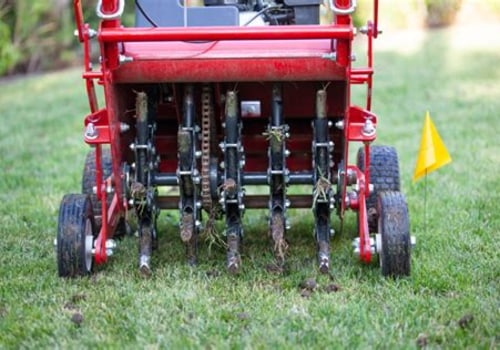
Aeration is a vital process in turf management that involves perforating the soil with holes to allow air, water, and nutrients to penetrate down to the roots. This process is essential for maintaining healthy turf, as it alleviates soil compaction, promotes root growth, and enhances the overall health of the grass. When soil becomes compacted, it restricts the movement of air and water, leading to poor root development and increased susceptibility to disease. By aerating the turf, you create a more favorable environment for grass to thrive. There are several types of aeration techniques used in turf management, each suited for different conditions and goals.
The most common methods include core aeration, where small plugs of soil are removed from the ground, and spike aeration, which involves creating holes in the soil without removing any material. Core aeration is often preferred for its ability to relieve compaction effectively and improve soil structure. On the other hand, spike aeration can be useful for quick fixes or when dealing with less compacted soils. Understanding what aeration is and its various types is crucial for anyone involved in turf management. By implementing the right aeration technique at the appropriate times throughout the growing season, turf managers can significantly enhance the health and resilience of their grass.
This foundational knowledge sets the stage for exploring how aeration fits into broader turf care strategies and its long-term benefits for maintaining lush, vibrant lawns.
The Science Behind Aeration
Aeration is a crucial process in turf management that involves perforating the soil with holes to allow air, water, and nutrients to penetrate down to the roots. This process is essential for maintaining healthy turf, as it directly addresses the issue of soil compaction, which can severely hinder grass growth.How Aeration Works
During aeration, small cores of soil are removed from the ground, creating channels that facilitate better airflow and moisture absorption. This disruption of compacted soil allows roots to expand more freely, promoting deeper root systems. As a result, grass can access essential nutrients more effectively, leading to a healthier and more resilient lawn.
Benefits of Aeration
- Improved Soil Structure: Aeration helps break up compacted soil layers, enhancing the overall structure and allowing for better drainage.
- Enhanced Nutrient Uptake: With improved airflow and moisture retention, grass roots can absorb nutrients more efficiently.
- Increased Root Growth: The process encourages deeper root development, which is vital for drought resistance and overall turf health.
- Reduction of Thatch: Aeration helps manage thatch buildup by promoting microbial activity that breaks down organic matter.
By addressing soil compaction and enhancing soil health, aeration not only improves the aesthetic quality of lawns but also contributes to their long-term sustainability. Regular aeration should be considered an integral part of any comprehensive turf care program.
Why Aeration is Important for Turf Management
Aeration plays a critical role in turf management, serving as a fundamental practice to enhance the overall health and vitality of grass. By creating small holes in the soil, aeration allows for better air circulation, which is essential for root development and turf resilience.One of the primary benefits of aeration is its ability to improve water absorption. When soil becomes compacted, water struggles to penetrate deeply, leading to surface runoff and inadequate moisture for roots.Aeration alleviates this issue by breaking up compacted soil, allowing water to reach deeper layers where it can be utilized more effectively by the grass.In addition to enhancing water absorption, aeration significantly boosts nutrient uptake. Fertilizers and organic matter can be more efficiently absorbed by the roots when the soil is aerated. This process not only promotes healthier grass but also reduces the need for excessive chemical applications, making it an environmentally friendly practice.
Root Development
- Aeration encourages deeper root growth, which is vital for turf stability and drought resistance.
- Stronger roots lead to a more resilient lawn that can withstand stress from foot traffic, pests, and diseases.
The benefits of improved water absorption, enhanced nutrient uptake, and robust root development collectively contribute to the long-term health and sustainability of your turf.
When to Aerate Your Turf
Aeration is a crucial aspect of turf management that can significantly enhance the health and appearance of your lawn. However, knowing when to aerate is just as important as the process itself. The timing of aeration can vary based on several factors, including the type of grass you have and the climate in your region.Best Time to Aerate Turf
For cool-season grasses, the ideal time to aerate is during the early spring or early fall. These seasons provide optimal growing conditions, allowing the grass to recover quickly from the stress of aeration.In contrast, warm-season grasses benefit most from aeration in late spring or early summer when they are actively growing.
Seasonal Aeration Tips
- Spring Aeration: If you choose to aerate in spring, wait until the grass has fully greened up and is actively growing. This ensures that the lawn can heal effectively.
- Fall Aeration: Fall is often considered the best time for aeration, especially for cool-season grasses. The cooler temperatures and increased moisture levels promote recovery and growth.
- Summer Aeration: For warm-season grasses, late spring to early summer is ideal. Avoid aerating during extreme heat, as this can stress the grass.
If your lawn experiences heavy foot traffic or has compacted soil, more frequent aeration may be necessary. Monitoring your turf's health throughout the seasons will help you determine the best timing for effective turf management.In summary, understanding timing for turf management is essential for maintaining a healthy lawn. By aligning your aeration practices with seasonal changes and grass types, you can ensure that your turf remains vibrant and resilient throughout the year.
Methods of Aeration
Aeration is a crucial practice in turf management that enhances the health and vitality of grass. There are several methods of aeration, each with its own advantages and suitability depending on the type of turf and specific needs.Core Aeration
Core aeration, also known as plug aeration, involves removing small plugs of soil from the turf.This method is highly effective for relieving soil compaction and improving water infiltration. The removed cores are left on the surface to decompose, returning nutrients to the soil. Core aeration is particularly beneficial for high-traffic areas and lawns with heavy clay soils.
Spike Aeration
In contrast, spike aeration uses a solid tine or spike to create holes in the soil without removing any material. While this method can be less disruptive to the lawn's surface, it may not be as effective in alleviating compaction as core aeration.Spike aeration is often used for light maintenance or when quick access to the turf is necessary.
DIY Aeration Techniques
For those looking to manage their turf on a budget, DIY aeration techniques can be quite effective. Homeowners can use simple tools like a garden fork or a specialized aerator shoe that allows them to walk across the lawn while creating holes. This method is best suited for smaller areas or less compacted soils.When choosing an aeration method, consider factors such as soil type, turf species, and the level of foot traffic. Core aeration is generally recommended for most situations due to its comprehensive benefits, while spike aeration may serve as a supplementary option.Ultimately, understanding these methods will empower you to make informed decisions in your turf management practices.
Common Myths About Aeration
Aeration is often surrounded by misconceptions that can lead to confusion among turf managers and homeowners alike. Understanding the truth behind these myths is essential for effective turf management.- Myth 1: Aeration is only necessary for damaged lawns. Many believe that aeration should only be performed on lawns that show signs of distress. In reality, regular aeration is beneficial for all types of turf, as it promotes healthy root growth and improves soil structure.
- Myth 2: Aeration will kill my grass. Some people fear that the process of aeration will harm their lawn. However, when done correctly, aeration actually enhances grass health by allowing air, water, and nutrients to penetrate the soil more effectively.
- Myth 3: Aeration is a one-time fix. Another common misconception is that aeration can solve all turf problems in a single application.
In truth, aeration should be part of a regular maintenance schedule, ideally performed once or twice a year, depending on the lawn's needs.
- Myth 4: Aeration is only for cool-season grasses. While cool-season grasses do benefit significantly from aeration, warm-season grasses also thrive with this practice. It helps alleviate soil compaction and promotes healthy growth in both types of turf.
Aeration Equipment and Tools
Aeration is a crucial process in turf management that enhances the health and vitality of your lawn. To effectively aerate your turf, having the right tools and equipment is essential.Below, we explore various aeration tools that can help you achieve optimal results.
- Core Aerators: These machines remove small plugs of soil from the ground, allowing air, water, and nutrients to penetrate deeper into the root zone. Core aerators are available in both manual and powered versions, making them suitable for different lawn sizes.
- Spike Aerators: Unlike core aerators, spike aerators create holes in the soil by pushing spikes into the ground. While they are easier to use and less expensive, they do not remove soil plugs, which can lead to soil compaction over time.
- Tow-Behind Aerators: Ideal for larger lawns, these aerators attach to a lawn tractor or ATV. They cover more ground quickly and efficiently, making them a popular choice for professional turf management.
- Handheld Aerators: For small areas or spot treatments, handheld aerators are effective.
They are lightweight and easy to maneuver, allowing for precise aeration in tight spaces.
Post-Aeration Care for Turf
After aerating your turf, proper care is essential to ensure that the benefits of aeration are fully realized.Here are some effective maintenance tips to enhance turf health post-aeration:
- Watering: Immediately after aeration, it’s crucial to water your lawn thoroughly. This helps to settle the soil and encourages the grass roots to grow deeper into the aeration holes. Aim for about 1 to 1.5 inches of water within the first week.
- Fertilization: Applying a balanced fertilizer shortly after aeration can significantly boost turf recovery. The open holes allow nutrients to penetrate deeper into the soil, promoting healthier grass growth.
- Avoid Heavy Traffic: Limit foot traffic on the lawn for at least two weeks post-aeration.
This allows the grass to recover and establish itself without being compacted again.
- Mowing: Delay mowing for a few weeks after aeration. When you do mow, set your mower blades higher to avoid stressing the grass while it’s still recovering.
- Topdressing: Consider applying a thin layer of compost or topsoil after aeration. This can help fill in the holes and provide additional nutrients, further enhancing turf health.
Conclusion: The Role of Aeration in Effective Turf Management
In summary, aeration plays a pivotal role in effective turf management.By alleviating soil compaction, enhancing water infiltration, and promoting healthy root development, aeration directly contributes to the overall vitality of turf. As we have discussed, the benefits of aeration extend beyond mere aesthetics; they are fundamental to maintaining a resilient and thriving lawn or sports field.Implementing a regular aeration schedule can lead to significant improvements in turf health. Here are some key takeaways:
- Improved Soil Structure: Aeration helps break up compacted soil, allowing roots to grow deeper and access essential nutrients.
- Enhanced Water Absorption: By creating channels in the soil, aeration facilitates better water penetration, reducing runoff and promoting efficient irrigation.
- Increased Nutrient Availability: Aerated soil allows fertilizers and organic matter to reach the root zone more effectively, ensuring that grass receives the nutrients it needs.
- Reduced Thatch Buildup: Regular aeration helps manage thatch levels, preventing the detrimental effects of excessive organic material on turf health.
Take action today by scheduling an aeration treatment to ensure your turf remains lush and resilient for years to come.