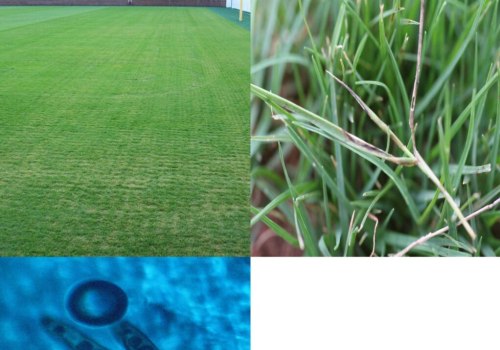
Turf management is a critical aspect of maintaining vibrant and healthy landscapes, whether for residential lawns, commercial properties, or recreational fields. Understanding the principles of turf management allows homeowners and landscapers alike to create lush green spaces that not only enhance aesthetic appeal but also contribute to environmental health. Proper turf care involves a combination of practices including soil management, irrigation, fertilization, and pest control, all aimed at promoting robust grass growth. The importance of turf care cannot be overstated. Healthy turf acts as a natural air filter, improves soil quality, and provides a habitat for various wildlife.
Moreover, well-maintained lawns can significantly increase property value and curb appeal. When turf is neglected or damaged, it can lead to unsightly bare spots that detract from the overall beauty of the landscape and may even invite pests and diseases. Investing time and resources into effective turf management not only ensures a thriving lawn but also offers numerous benefits such as reduced soil erosion, improved water retention, and enhanced recreational spaces for families and communities. As we delve deeper into the techniques for repairing damaged or bare spots in turf, it becomes clear that understanding the fundamentals of turf management is essential for achieving long-lasting results.
Identifying Damaged or Bare Spots in Your Turf
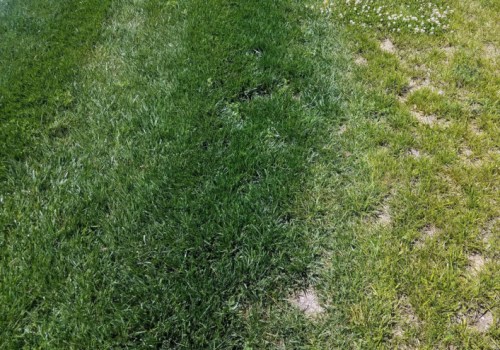
Identifying damaged or bare spots in your turf is the first step in effective turf management. Recognizing these issues early can prevent further deterioration and promote a healthier lawn.Signs of Turf Damage
- Discoloration: Look for patches of yellow, brown, or gray grass.
Healthy turf should be a vibrant green, so any deviation in color can indicate stress or damage.
- Thin or Sparse Growth: Areas where grass is thin or has completely died off are clear indicators of trouble. These bare spots may be caused by various factors, including pests or disease.
- Weed Proliferation: An increase in weeds often signifies that your turf is struggling. Weeds can take over bare spots, competing with grass for nutrients and water.
- Uneven Texture: If certain areas feel rough or have a different texture compared to the surrounding turf, this could indicate underlying issues such as soil compaction or pest infestations.
Common Causes of Turf Damage
- Pests: Insects like grubs and chinch bugs can cause significant damage to your lawn. Regularly inspect your turf for signs of these pests.
- Disease: Fungal infections can lead to patches of dead grass.
Look for unusual spots that may indicate a fungal issue.
- Environmental Stress: Factors such as drought, excessive heat, or heavy foot traffic can weaken your turf, leading to damage.
- Nutrient Deficiency: A lack of essential nutrients can result in poor growth and discoloration. Conducting a soil test can help identify any deficiencies.
Common Causes of Turf Damage
Turf damage can stem from a variety of causes, each requiring specific attention to restore the health and appearance of your lawn. Understanding these factors is crucial for effective turf management.Pests Affecting Turf
One of the most common culprits behind turf damage is pests. Insects such as grubs, chinch bugs, and armyworms can wreak havoc on your lawn.These pests feed on grass roots and blades, leading to brown patches and thinning turf. Regular monitoring and appropriate pest control measures are essential to mitigate their impact.
Diseases
Turf diseases, often caused by fungi, bacteria, or viruses, can also lead to significant damage. Conditions like brown patch, powdery mildew, and dollar spot manifest as discoloration or wilting of grass. Implementing proper cultural practices, such as adequate watering and aeration, can help prevent these diseases from taking hold.Environmental Factors
Environmental stressors play a significant role in turf health.Factors such as extreme temperatures, drought, and excessive rainfall can weaken grass and make it more susceptible to damage. For instance, prolonged heat can lead to heat stress, while overwatering can cause root rot. Understanding your local climate and adjusting your maintenance practices accordingly is vital for maintaining a robust lawn.
Improper Maintenance Practices
Lastly, improper maintenance practices can contribute to turf damage. Over-fertilization can lead to nutrient burn, while mowing too short can stress the grass.Following recommended guidelines for mowing height, fertilization schedules, and irrigation will promote a healthier lawn.By identifying these common causes of turf damage—ranging from pests and diseases to environmental factors and maintenance practices—you can take proactive steps in your turf management strategy to ensure a lush, vibrant lawn.
Preparing the Area for Repair
To effectively repair damaged or bare spots in your turf, proper preparation is crucial. This process not only enhances the chances of successful grass growth but also ensures a healthy lawn in the long run.Assessing the Damage
Before you begin, assess the extent of the damage. Identify whether the area is simply thin or completely bare. This will determine the approach you take for repair.Tools Needed for Turf Repair
- Garden rake: Essential for loosening soil and removing debris.
- Shovel or spade: Useful for digging up damaged turf and preparing the soil.
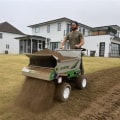
- Soil aerator: Helps to improve soil drainage and nutrient absorption.
- Seed spreader: Ensures even distribution of grass seed over the repaired area.
- Watering can or hose: Necessary for keeping the newly seeded area moist.
Soil Preparation Techniques
Once you have your tools ready, follow these steps to prepare the soil:- Clear the Area: Remove any dead grass, weeds, or debris from the damaged spot.
This will create a clean slate for new growth.
- Aerate the Soil: Use a soil aerator to perforate the ground. This step is vital as it allows air, water, and nutrients to penetrate deeper into the soil.
- Add Nutrients: Consider mixing in organic compost or a balanced fertilizer to enrich the soil. This will provide essential nutrients that promote healthy grass growth.
- Smooth the Surface: Rake the area to create an even surface. This helps ensure that seeds make good contact with the soil, which is critical for germination.
Properly prepared areas not only enhance seed germination but also contribute to a lush and vibrant lawn.
Repair Techniques for Damaged Turf
Repairing damaged or bare spots in your turf is essential for maintaining a healthy and attractive lawn. Here are some effective repair techniques to consider:1.Overseeding
Overseeding is a popular method for repairing thin or bare patches in your lawn. Follow these steps:- Choose the Right Seed: Select a grass seed that matches your existing turf type for a seamless blend.
- Prepare the Area: Mow the grass short and rake the area to remove debris and loosen the soil.
- Sow the Seed: Evenly distribute the seed over the bare spots, using a broadcast spreader for larger areas.
- Water Regularly: Keep the soil consistently moist until the new grass is established, typically requiring daily watering for the first couple of weeks.
2.Patching with Sod
If you have larger bare spots, patching with sod can provide immediate results. Here’s how to do it:- Select Quality Sod: Purchase sod that matches your existing lawn in terms of species and variety.
- Cut Out Damaged Turf: Use a spade to remove the damaged area, making sure to cut a square or rectangular shape.
- Prepare the Soil: Loosen the soil in the area where you will place the sod, adding compost if necessary to improve soil quality.
- Laying Sod: Place the sod piece into the prepared area, ensuring it fits snugly without overlapping.
- Water Thoroughly: Water the new sod immediately after installation to help it establish roots.
3.Using Seed Mixtures
A mixture of different grass seeds can enhance resilience and adaptability.To use this method:
- Select a Mixture: Choose a blend that includes both cool-season and warm-season grasses for year-round coverage.
- Sow Evenly: Apply the seed mixture over the damaged areas, ensuring even coverage.
- Cultivate Soil: Lightly rake or aerate the soil to improve seed-to-soil contact.
Post-Repair Care and Maintenance
Once you have successfully repaired the damaged or bare spots in your turf, post-repair care becomes crucial for ensuring the new grass establishes itself effectively. Proper maintenance practices can significantly enhance the recovery process and promote healthy growth.Watering Schedule for New Grass
Watering is one of the most critical aspects of turf management after repair. Newly seeded areas require consistent moisture to germinate and thrive. Here are some guidelines:- Initial Watering: Immediately after seeding, water the area thoroughly to ensure the soil is moist but not waterlogged.
- Frequency: For the first two weeks, water daily, preferably in the early morning or late afternoon to minimize evaporation.
- Transitioning: After the grass begins to sprout, reduce watering to every other day, then gradually shift to a deeper watering schedule once the grass is established.
Fertilization After Seeding
Fertilization plays a vital role in supporting new grass growth.Here are some tips for effective fertilization:
- Starter Fertilizer: Use a starter fertilizer that is high in phosphorus to encourage root development. Apply it at the time of seeding according to package instructions.
- Timing: Wait about 4-6 weeks after seeding before applying a second round of fertilizer. This allows the new grass to establish before introducing additional nutrients.
- Type of Fertilizer: Consider using a slow-release fertilizer for sustained nutrient delivery over time, which can help maintain healthy growth without overwhelming the young grass.
Preventing Future Turf Damage
To ensure the longevity and health of your turf, implementing effective strategies for preventing turf damage is essential.By adopting best practices in lawn care, you can maintain a lush, vibrant lawn that withstands environmental stresses.
Regular Maintenance
Consistent maintenance is key to preventing future damage. This includes:- Mowing: Keep your grass at the recommended height for your specific type. Regular mowing encourages healthy growth and reduces the risk of disease.
- Watering: Water deeply but infrequently to promote deep root growth. Early morning is the best time to water, minimizing evaporation and fungal diseases.
- Fertilization: Use a balanced fertilizer appropriate for your grass type.
Regular feeding helps maintain nutrient levels and promotes resilience against pests and diseases.
Soil Health
The foundation of a healthy lawn lies in its soil. To maintain optimal soil health:- Aeration: Aerate your lawn annually to relieve compaction, allowing air, water, and nutrients to penetrate the soil more effectively.
- pH Testing: Regularly test your soil's pH and amend it as necessary to ensure it remains within the ideal range for grass growth.
Pest and Disease Management
Monitoring for pests and diseases is crucial in preventing turf damage:- Regular Inspections: Check your lawn frequently for signs of pests or disease. Early detection can prevent widespread damage.
- Integrated Pest Management (IPM): Use IPM strategies that combine cultural, biological, and chemical controls to manage pest populations sustainably.
Frequently Asked Questions About Turf Repair
When it comes to turf repair, many homeowners have questions about the best practices and techniques to restore their lawns.Here are some of the most frequently asked questions:
- What causes bare spots in my turf? Bare spots can result from a variety of factors, including pet damage, disease, insect infestations, or even poor soil conditions. Identifying the underlying cause is crucial for effective repair.
- How can I repair small bare patches? For small areas, you can use a combination of seed and topsoil. Rake the area to loosen the soil, spread the seed evenly, and cover it lightly with topsoil. Water regularly to keep the area moist until the grass establishes.
- Is it necessary to aerate before seeding? Aeration can be beneficial, especially in compacted soils.
It allows for better seed-to-soil contact and improves water penetration, which is essential for seed germination.
- How long does it take for new grass to grow? Depending on the grass type and environmental conditions, you can expect new grass to germinate within 7 to 14 days. However, full establishment may take several weeks.
- What should I do if my turf is infested with pests? If you suspect a pest problem, it's important to identify the specific pest first. You may need to apply targeted treatments or consult a lawn care professional for advice on managing the infestation.
Conclusion: Key Takeaways on Turf Management and Repair Techniques
In summary, effective turf management is essential for maintaining a healthy and vibrant lawn. Repairing damaged or bare spots is not just about aesthetics; it plays a crucial role in the overall health of your turf.Here are the key takeaways to remember:
- Identify the Cause: Understanding the underlying issues that lead to turf damage—such as pests, diseases, or environmental stress—is vital for effective repair.
- Choose the Right Repair Method: Depending on the extent of the damage, options like overseeding, patching, or sodding can be employed. Each method has its own advantages and is suited for different situations.
- Soil Preparation: Proper soil preparation is critical. Aerating the soil and ensuring it has the right pH and nutrient levels will promote better seed germination and root establishment.
- Watering Practices: Consistent and appropriate watering is essential during the repair process. Newly seeded areas require regular moisture to encourage growth without over-saturating.
- Ongoing Maintenance: After repairs are made, continue with regular maintenance practices such as mowing, fertilizing, and pest control to ensure long-term success.
Remember that patience is key; it may take time for your efforts to yield visible results. However, with diligence and care, you can achieve a lush, green landscape that enhances your outdoor space.