Turf management is a vital practice that encompasses the cultivation, maintenance, and care of turfgrass in various settings, including residential lawns, sports fields, and commercial landscapes. At its core, turf management involves understanding the specific needs of different grass species and implementing strategies to promote healthy growth and resilience. This field combines elements of horticulture, agronomy, and environmental science to create lush, sustainable green spaces that enhance both aesthetic appeal and functionality. The importance of turf management cannot be overstated. Well-managed turf not only contributes to the beauty of our surroundings but also plays a crucial role in environmental health.
Healthy turfgrass can improve air quality, reduce soil erosion, and even mitigate urban heat effects. Furthermore, effective turf management practices can lead to significant water conservation and reduced reliance on chemical fertilizers and pesticides, promoting a more sustainable approach to landscaping. In essence, an overview of turf management reveals its multifaceted nature. It requires a comprehensive understanding of soil health, pest control, irrigation techniques, and seasonal care routines. By prioritizing these aspects, individuals and organizations can ensure that their green spaces thrive while also contributing positively to the ecosystem.
As we delve deeper into the specifics of turf management in this article, it will become clear how these practices are essential for maintaining vibrant landscapes that benefit both people and the planet.
The Benefits of Effective Turf Management
Effective turf management offers a multitude of benefits that extend beyond mere aesthetics. By implementing proper management practices, property owners can enjoy significant environmental, aesthetic, and economic advantages.Environmental Benefits- Improved Air Quality: Healthy turf acts as a natural air filter, absorbing pollutants and releasing oxygen, which contributes to cleaner air.
- Soil Erosion Control: Well-maintained turf helps prevent soil erosion by stabilizing the ground with its root systems, reducing runoff and protecting water quality.
- Biodiversity Support: A diverse range of turf species can support local wildlife, creating habitats for various insects and small animals.
- Enhanced Curb Appeal: A lush, green lawn significantly boosts the visual appeal of any property, making it more inviting and attractive to visitors.
- Recreational Space: Well-managed turf provides a safe and enjoyable area for outdoor activities, from family gatherings to sports.
- Increased Property Value: Properties with well-maintained landscapes often see higher market values, making effective turf management a wise investment.
- Cost Savings: Proper management reduces the need for costly repairs and replacements by maintaining the health of the turf over time.
Key Components of Turf Management
Turf management encompasses a variety of essential components that work together to maintain healthy and vibrant grass. Understanding these elements is crucial for anyone involved in turf care, whether for residential lawns, sports fields, or commercial landscapes.- Soil Health: The foundation of effective turf management begins with soil health.
Healthy soil provides the necessary nutrients and support for grass growth. Regular soil testing can help determine pH levels and nutrient deficiencies, allowing for targeted amendments.
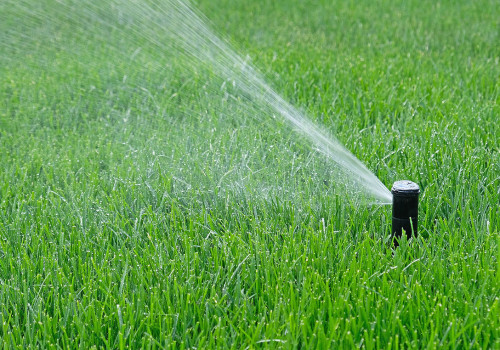
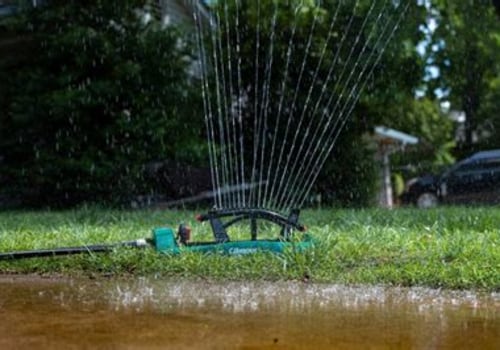
- Irrigation: Proper irrigation practices are vital to ensure that turf receives adequate moisture without overwatering. Implementing efficient irrigation systems, such as drip or sprinkler systems, can conserve water while promoting deep root growth.
- Fertilization: A well-planned fertilization schedule is essential for providing the nutrients that turf needs to thrive. Using slow-release fertilizers can help maintain consistent nutrient levels and reduce the risk of runoff.
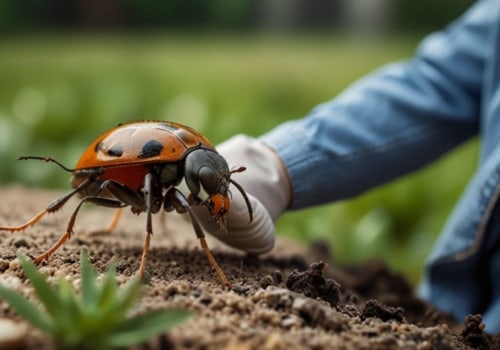
- Pest Control: Effective pest control strategies are necessary to protect turf from harmful insects and diseases.
Integrated Pest Management (IPM) techniques can minimize chemical use while effectively managing pest populations.
- Mowing Techniques: Regular mowing is crucial for maintaining turf health. Employing proper mowing techniques, such as keeping blades sharp and varying mowing heights, can promote denser grass growth and reduce weed competition.
Turf Management Techniques and Best Practices
Turf management is essential for maintaining the health and aesthetics of grass areas, whether in residential lawns, sports fields, or commercial landscapes. Implementing effective turf management techniques can significantly enhance the quality of turf while preventing common issues such as pests, diseases, and environmental stress.Key Turf Management Techniques
- Soil Testing: Regular soil testing is crucial to understand nutrient levels and pH balance.
This information helps in making informed decisions about fertilization and amendments.
- Proper Mowing: Mowing at the correct height encourages healthy growth. Different grass types have specific height requirements; for instance, cool-season grasses thrive when mowed to 2.5-4 inches.
- Irrigation Management: Efficient watering practices are vital. Deep, infrequent watering promotes deep root growth, while overwatering can lead to disease and shallow roots.
- Fertilization: Applying the right type and amount of fertilizer based on soil tests ensures that turf receives necessary nutrients without causing excess growth or runoff.
- Pest and Weed Control: Integrated Pest Management (IPM) strategies help in identifying and controlling pests while minimizing chemical use. Regularly monitoring for weeds and applying pre-emergent herbicides can prevent infestations.
Best Practices for Turf Management
- Regular Aeration: Aerating the soil improves air circulation, water infiltration, and nutrient absorption, which are vital for healthy turf.
- Overseeding: This technique involves sowing new grass seed into existing turf to improve density and resilience against diseases.
- Seasonal Maintenance: Adjusting care practices according to seasonal changes—such as reducing mowing frequency in fall—ensures optimal turf health year-round.
- Education and Training: Staying informed about the latest turf management practices through workshops or online resources can enhance your skills and effectiveness in maintaining healthy grass.
Consistent application of these techniques not only enhances the visual appeal but also contributes to the longevity of the turf.
Environmental Impact of Turf Management
Turf management plays a crucial role in maintaining not only the aesthetic appeal of landscapes but also the health of our environment. Effective turf management practices can significantly reduce negative impacts on ecosystems while promoting biodiversity.Sustainable turf management practices
focus on minimizing resource use and enhancing ecological balance. These practices include:
- Water conservation: Implementing efficient irrigation systems, such as drip irrigation or rainwater harvesting, helps reduce water waste and ensures that turf receives adequate moisture without over-saturation.
- Organic fertilizers: Utilizing organic fertilizers instead of synthetic options can improve soil health and reduce chemical runoff into nearby water bodies, thus protecting aquatic ecosystems.
- Diverse plant selection: Incorporating a variety of grass species and native plants can enhance biodiversity, attract beneficial insects, and create habitats for wildlife.
- Integrated pest management (IPM): This approach minimizes the use of pesticides by combining biological control methods with cultural practices, reducing harm to non-target species and promoting a healthier ecosystem.
Additionally, well-maintained lawns can reduce soil erosion and improve water infiltration, which is vital for maintaining groundwater levels.In conclusion, adopting sustainable turf management practices not only enhances the beauty of our landscapes but also fosters a healthier environment. By prioritizing eco-friendly methods, we can ensure that our green spaces thrive while supporting the planet's ecological balance.
Common Challenges in Turf Management
Turf management is a complex field that presents various challenges for both professionals and homeowners. Understanding these challenges is crucial for maintaining healthy and vibrant lawns. One of the most significant issues in turf management is the presence of pests. Insects such as grubs, chinch bugs, and armyworms can wreak havoc on turf health.Regular monitoring and the use of integrated pest management (IPM) strategies can help mitigate these threats. For instance, introducing beneficial insects or using organic pesticides can reduce pest populations without harming the environment. Another common challenge is diseases that affect turfgrass. Fungal infections like brown patch and dollar spot can lead to unsightly patches and weaken the grass. To combat these diseases, it’s essential to maintain proper lawn care practices, including adequate watering, mowing at the right height, and ensuring good air circulation.
Applying fungicides as a preventive measure can also be effective.
Environmental stressors
, such as drought, extreme temperatures, and soil compaction, further complicate turf management. During periods of drought, for example, lawns may require more frequent watering to stay healthy. Implementing drought-resistant grass varieties and utilizing mulch can help retain soil moisture. Additionally, aerating the soil can alleviate compaction issues, allowing roots to access nutrients and water more effectively. In summary, while challenges in turf management are numerous—from pests and diseases to environmental stressors—proactive measures and informed practices can significantly enhance lawn health.By staying vigilant and employing effective strategies, turf managers can overcome these obstacles and maintain lush, green landscapes.
Future Trends in Turf Management
The field of turf management is rapidly evolving, driven by technological advancements and a growing emphasis on sustainability. As we look to the future, several key trends are emerging that promise to enhance efficiency and effectiveness in lawn care.Smart Technology Integration
One of the most significant trends in turf management is the integration of smart technology. This includes the use of sensors and IoT (Internet of Things) devices that monitor soil moisture, temperature, and nutrient levels in real-time. By utilizing this data, turf managers can make informed decisions about irrigation and fertilization, leading to healthier lawns while conserving water and reducing chemical usage.Precision Turf Management
Precision turf management is another innovative approach gaining traction.This method employs GPS technology and aerial imagery to assess turf health and identify problem areas. By applying treatments only where needed, turf managers can optimize resources, minimize waste, and enhance the overall quality of the turf.
Sustainable Practices
As environmental concerns continue to rise, sustainable practices are becoming a cornerstone of modern lawn care. Techniques such as organic fertilization, integrated pest management (IPM), and the use of drought-resistant grass varieties are being adopted widely. These practices not only promote ecological balance but also cater to a growing consumer demand for environmentally friendly landscaping solutions.Robotics and Automation
The use of robotics in turf management is on the rise, with automated mowers and drones becoming more common.These technologies can significantly reduce labor costs and improve precision in lawn maintenance tasks. Drones, for instance, can be used for aerial assessments, allowing for quick identification of issues that may not be visible from the ground.In conclusion, the future of turf management is bright, with innovations poised to transform how we care for our lawns. By embracing these trends, turf managers can achieve greater efficiency, sustainability, and ultimately, healthier green spaces.
FAQs About Turf Management
When it comes to turf management, many people have questions about best practices and effective techniques. Here are some of the most frequently asked questions:What is turf management?
Turf management refers to the science and art of maintaining healthy grass and turf areas, such as lawns, sports fields, and golf courses.It involves a combination of practices including mowing, fertilization, irrigation, pest control, and soil management to ensure optimal growth and appearance.
Why is turf management important?
Effective turf management is crucial for several reasons:- Aesthetic Appeal: Well-managed turf enhances the visual appeal of residential and commercial properties.
- Environmental Benefits: Healthy turf can improve air quality, reduce soil erosion, and provide habitats for wildlife.
- Functional Use: Properly maintained turf areas are essential for recreational activities, sports, and community gatherings.
How can I manage my turf effectively?
To manage your turf effectively, consider the following tips:- Mowing: Regular mowing at the correct height promotes healthy growth and prevents weeds.
- Fertilization: Use appropriate fertilizers based on soil tests to provide essential nutrients.
- Irrigation: Implement a smart irrigation system to ensure adequate watering without over-saturation.
- Pest Control: Monitor for pests and diseases regularly, using integrated pest management strategies when necessary.
Conclusion: The Importance of Turf Management for a Sustainable Future
In conclusion, turf management plays a pivotal role in promoting environmental sustainability and enhancing the aesthetic appeal of our landscapes. As we have explored throughout this article, effective turf management practices not only contribute to the health of our lawns and recreational areas but also support broader ecological goals.Key benefits
of proper turf management include:- Soil Health: Regular maintenance and appropriate fertilization improve soil structure and nutrient availability, fostering a robust ecosystem.
- Water Conservation: Implementing efficient irrigation techniques reduces water waste, ensuring that our precious resources are used wisely.
- Pest Management: Integrated pest management strategies minimize chemical use, protecting beneficial organisms and promoting biodiversity.
- Aesthetic Value: Well-maintained turf enhances property value and provides inviting spaces for recreation and relaxation.
By doing so, we can ensure that our green spaces remain vibrant and resilient for future generations. Embracing these practices is not just an investment in our properties but also a commitment to a sustainable future.