Turf diseases can significantly impact the health and appearance of your lawn, making it essential for homeowners and landscapers to understand their nature and effects. These diseases are often caused by a variety of factors, including environmental conditions, soil health, and even the type of grass being cultivated. By recognizing the different types of turf diseases, you can take proactive steps to maintain a lush, green lawn. Common turf diseases include fungal infections, such as brown patch and powdery mildew, which thrive in warm, humid conditions. Other issues may arise from bacterial infections or viral pathogens, each presenting unique challenges.
Understanding these diseases is crucial because they can lead to unsightly patches, reduced growth, and even the death of grass plants if left unchecked. The impact of turf diseases extends beyond mere aesthetics; they can weaken the overall resilience of your lawn, making it more susceptible to pests and environmental stressors. This cascading effect can lead to increased maintenance costs and a greater reliance on chemical treatments, which many homeowners seek to avoid. By gaining insight into the causes and symptoms of turf diseases, you can implement effective turf management strategies that promote a healthier lawn without resorting to chemicals.
The Importance of Healthy Soil in Turf Management
Maintaining healthy soil is crucial for effective turf management and plays a significant role in preventing turf diseases. The foundation of any thriving turf lies in its soil composition, which includes minerals, organic matter, and microorganisms.A balanced soil profile not only supports plant growth but also enhances the turf's resilience against diseases.
Soil pH
is another critical factor that influences soil health. Most turf grasses thrive in a pH range of 6.0 to 7.0. If the soil is too acidic or too alkaline, it can hinder nutrient availability, making the grass more susceptible to diseases. Regularly testing your soil's pH can help you make necessary adjustments, such as adding lime to raise pH or sulfur to lower it.Incorporating organic matter into the soil is an effective way to improve its structure and nutrient content.Organic matter enhances water retention, promotes beneficial microbial activity, and provides essential nutrients that support healthy turf growth. Consider using compost or well-rotted manure as natural amendments to enrich your soil.
- Regular Aeration: Aerating your lawn helps alleviate soil compaction, allowing air, water, and nutrients to penetrate deeper into the root zone.
- Mulching: Applying a layer of organic mulch can help retain moisture, suppress weeds, and gradually improve soil quality as it decomposes.
- Diverse Planting: Incorporating a variety of grass species can enhance biodiversity in your lawn, making it more resilient to pests and diseases.
Cultural Practices for Disease Prevention
Effective turf management relies heavily on implementing sound cultural practices that promote healthy grass and minimize the risk of disease.By focusing on the fundamentals of lawn care, homeowners and landscapers can create an environment that is less conducive to turf diseases.
Proper Mowing Techniques
Mowing is a critical aspect of lawn care that can significantly impact turf health. To prevent disease, it is essential to:- Mow at the right height: Different grass types have optimal mowing heights. Keeping grass at the recommended height helps maintain root health and shade the soil, reducing weed growth.
- Keep mower blades sharp: Dull blades can tear grass rather than cut it cleanly, leading to open wounds that are susceptible to disease.
- Vary mowing patterns: Changing your mowing direction each time can prevent soil compaction and promote even growth.
Watering Schedules
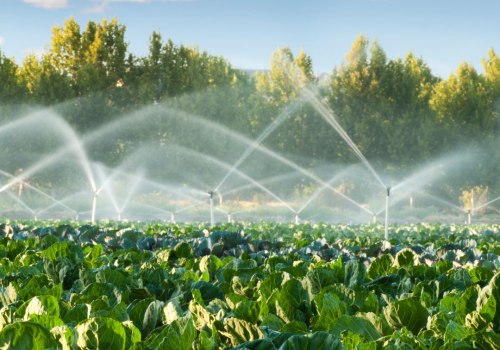
Watering practices play a vital role in turf management. Overwatering or inconsistent watering can lead to fungal growth and other diseases.To optimize your watering schedule:
- Water deeply and infrequently: Aim for about 1 inch of water per week, allowing the soil to dry out between watering sessions. This encourages deep root growth.
- Water early in the morning: Early watering reduces evaporation and allows grass blades to dry quickly, minimizing the risk of fungal diseases.
- Avoid watering in the evening: Evening watering can leave grass wet overnight, creating a perfect environment for disease development.
Aeration Practices
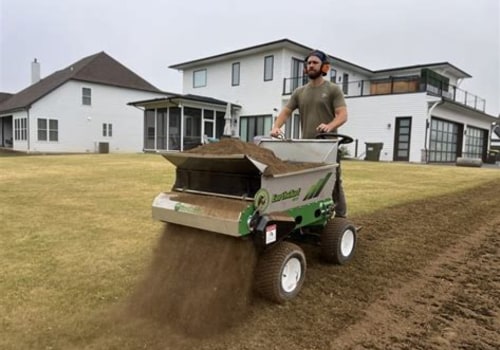
Aeration is another essential practice in turf management. It involves perforating the soil with holes to allow air, water, and nutrients to penetrate deeper into the root zone. Regular aeration helps:- Reduce soil compaction: Compacted soil restricts root growth and water absorption, making grass more vulnerable to stress and disease.
- Improve drainage: Aeration enhances water movement through the soil, preventing pooling that can lead to root rot.
- Encourage healthy microbial activity: A well-aerated lawn supports beneficial microorganisms that help decompose organic matter and suppress pathogens.
Choosing the Right Grass Species
Choosing the right grass species is a fundamental aspect of turf management that can significantly reduce the risk of turf diseases.Selecting disease-resistant grass types tailored to your local climate and soil conditions is essential for maintaining a healthy lawn.When considering grass species, it’s important to evaluate the following factors:
- Climate Adaptability: Different grass species thrive in various climates. For instance, cool-season grasses like Kentucky bluegrass and fescue are ideal for northern regions, while warm-season grasses such as Bermudagrass and Zoysiagrass perform better in southern areas.
- Soil Type: The soil composition in your area can influence grass selection. Sandy soils may require drought-resistant varieties, while clay soils might benefit from grasses that tolerate wet conditions.
- Disease Resistance: Opt for grass species known for their resistance to common turf diseases. For example, Tall fescue is recognized for its resistance to brown patch and other fungal diseases.
- Tall Fescue: Known for its deep root system and drought tolerance, it also exhibits good resistance to various diseases.
- Kentucky Bluegrass: While susceptible to some diseases, newer cultivars have been developed with enhanced disease resistance.
- Bermudagrass: This warm-season grass is not only heat-tolerant but also resistant to many pests and diseases.
Ultimately, investing time in understanding your local environment and choosing the right grass will lead to a healthier, more sustainable turf.
Natural Remedies and Organic Treatments
Managing turf diseases without chemicals is not only beneficial for the environment but also promotes a healthier lawn. Here are some effective natural remedies and organic treatments that can help you maintain your turf.- Compost Tea: This nutrient-rich liquid is made by steeping compost in water. It can enhance soil health and boost the immune system of your grass, making it more resilient to diseases.
- Neem Oil: Extracted from the seeds of the neem tree, this oil acts as a natural pesticide and fungicide. It disrupts the life cycle of pests and diseases, providing a protective barrier for your lawn.
- Baking Soda: A simple solution for fungal issues, mixing baking soda with water and a few drops of dish soap can create a spray that helps control powdery mildew and other fungal infections.
- Garlic Spray: Garlic has natural antifungal properties.
Blending garlic cloves with water and straining the mixture creates a potent spray that can deter pests and combat turf diseases.
- Corn Gluten Meal: This organic herbicide not only prevents weed growth but also provides nitrogen to your lawn. It can help strengthen grass roots, making them less susceptible to diseases.
This not only enhances aesthetic appeal but also reduces the likelihood of widespread disease, as various species may have different resistances to specific pathogens.
Monitoring and Early Detection of Turf Diseases
Effective turf management begins with vigilant monitoring and early detection of potential lawn diseases. Regular inspections of your turf can help identify issues before they escalate, saving both time and resources. To monitor turf health effectively, consider the following strategies:- Visual Inspections: Conduct weekly checks of your lawn, looking for any unusual discoloration, wilting, or patchy areas. Early signs of disease often manifest as changes in color or texture.
- Soil Testing: Regular soil tests can reveal nutrient deficiencies or pH imbalances that may predispose your turf to diseases. Addressing these issues can strengthen your lawn's resilience.
- Moisture Monitoring: Keep an eye on soil moisture levels.
Overwatering can create a favorable environment for fungal diseases, while underwatering can stress the grass, making it more susceptible to infections.
- Discoloration: Yellowing or browning patches may indicate stress or disease.
- Wilting: Grass that appears limp or droopy could be suffering from root rot or other issues.
- Mold or Fungal Growth: Visible mold on the surface of the grass or soil is a clear sign of fungal infection.
FAQs About Non-Chemical Turf Management
When it comes to turf management, many homeowners and landscapers have questions about how to effectively manage their lawns without resorting to chemical treatments. Here are some frequently asked questions that can help clarify non-chemical turf management practices.What are the benefits of non-chemical turf management?
Non-chemical turf management offers several advantages, including:- Environmental safety: Reduces the risk of chemical runoff into local waterways.
- Health benefits: Minimizes exposure to potentially harmful substances for pets and children.
- Sustainability: Promotes a healthier ecosystem by encouraging beneficial insects and microorganisms.
How can I identify turf diseases without chemicals?
Identifying turf diseases can be done through careful observation.Look for:
- Discoloration: Yellowing or browning patches may indicate disease.
- Texture changes: Areas that feel spongy or mushy could be suffering from root rot.
- Pest presence: Check for insects or signs of their damage, which can exacerbate turf issues.
What are some effective non-chemical treatments for turf diseases?
There are several non-chemical methods to treat turf diseases, including:- Cultural practices: Adjusting mowing height, watering schedules, and aeration can improve turf health.
- Organic amendments: Adding compost or organic fertilizers can enhance soil health and resilience against diseases.
- Biological controls: Introducing beneficial microbes or nematodes can help combat harmful pathogens in the soil.
How often should I monitor my lawn for issues?
Regular monitoring is key to effective turf management. Aim to check your lawn at least once a week, especially during peak growing seasons. Early detection of any issues allows for timely intervention, reducing the likelihood of severe problems developing.By understanding these common questions and implementing non-chemical practices, you can maintain a healthy and vibrant lawn while minimizing environmental impact.Conclusion: Embracing Sustainable Turf Management Practices
In conclusion, adopting sustainable turf management practices is essential for maintaining healthy and resilient turf without relying on chemical interventions. Throughout this article, we have explored various strategies that not only enhance the vitality of your lawn but also contribute positively to the environment. One of the key takeaways is the importance of soil health.By focusing on organic matter, aeration, and proper drainage, you can create a thriving ecosystem that supports beneficial microorganisms. This natural approach reduces the likelihood of turf diseases and promotes robust grass growth. Additionally, implementing cultural practices such as proper mowing techniques, appropriate watering schedules, and selecting disease-resistant grass varieties can significantly mitigate the risk of turf diseases. These methods not only improve the aesthetic appeal of your lawn but also enhance its overall resilience. Furthermore, integrating biological controls, such as beneficial insects and microbial inoculants, can provide an effective means of managing pests and diseases without chemicals. These natural allies work in harmony with your turf, promoting a balanced ecosystem. Ultimately, embracing these sustainable practices not only leads to healthier turf but also fosters a greater connection to our environment.
By prioritizing eco-friendly solutions, we can ensure that our lawns remain vibrant and sustainable for future generations. As we move forward, let us commit to being stewards of our landscapes by implementing these strategies and sharing our knowledge with others. Together, we can cultivate beautiful, chemical-free lawns that thrive in harmony with nature.