Soil compaction is a critical issue in turf management that can significantly hinder the health and growth of grass. It occurs when soil particles are pressed together, reducing the pore space between them. This compression can be caused by various factors, including heavy foot traffic, machinery use, and even natural occurrences like rainfall. When soil becomes compacted, it restricts the movement of air, water, and nutrients, which are essential for healthy turf development. The impact of soil compaction on turf is profound.
Compacted soil leads to poor root development, as roots struggle to penetrate dense layers. This can result in shallow root systems that are more susceptible to drought and disease. Additionally, compacted soil can create an environment where water runoff increases, leading to erosion and nutrient leaching. Consequently, turf may exhibit signs of stress such as discoloration, thinning, and increased vulnerability to pests. Understanding the implications of soil compaction is vital for effective turf management.
By recognizing the signs of compaction and its detrimental effects on turf health, lawn care professionals and homeowners alike can implement strategies to prevent it. This proactive approach not only enhances the aesthetic appeal of lawns but also promotes sustainable practices that contribute to long-term turf vitality.
Causes of Soil Compaction in Turf
Soil compaction in turf is a significant issue that can adversely affect the health and appearance of your lawn. Understanding the causes of soil compaction is essential for effective turf management. Several factors contribute to this problem, and recognizing them can help in implementing preventive measures.Heavy Foot Traffic One of the primary causes of soil compaction is heavy foot traffic.Areas that experience frequent use, such as sports fields, playgrounds, and pathways, are particularly susceptible. The weight of individuals walking or running on the turf compresses the soil particles, reducing pore space and limiting air and water movement.Machinery Use The use of heavy machinery for maintenance tasks, such as mowing or aerating, can also lead to significant compaction. Equipment that is too heavy for the turf can compress the soil beneath it, especially when used repeatedly in the same areas. This is particularly problematic in wet conditions when the soil is more pliable.Environmental Conditions Environmental factors play a crucial role in soil compaction as well.
For instance, wet soils are more prone to compaction because they lose structure when saturated. Conversely, drought conditions can lead to hardening of the soil surface, making it more susceptible to damage from foot traffic and machinery. Additionally, soil type influences compaction; clay soils are more likely to compact than sandy soils due to their finer particles and higher moisture retention.Root Development Compacted soil restricts root growth, which can create a vicious cycle. As roots struggle to penetrate compacted layers, they become weaker and less able to absorb nutrients and water.
This further exacerbates the problem of turf health and resilience. By understanding these turf compaction factors, lawn care professionals and homeowners alike can take proactive steps to mitigate soil compaction and promote a healthier turf environment.
Signs of Soil Compaction in Your Turf
Identifying soil compaction in your turf is crucial for effective turf management. Early detection can prevent further damage and promote healthier grass growth. Here are some common signs to look out for:- Reduced Water Infiltration: If you notice that water tends to pool on the surface rather than soaking into the soil, it may indicate compaction. This can lead to poor drainage and increased runoff.
- Thin or Patchy Grass: Areas of your lawn that appear thin or have bare patches may be suffering from compacted soil.
Compaction restricts root growth, making it difficult for grass to thrive.
- Increased Weed Growth: Compacted soil often leads to a decline in turf health, creating an environment where weeds can flourish. If you see more weeds than usual, it might be time to check for compaction.
- Hard Soil Surface: When walking on your lawn, if the ground feels unusually hard or solid, this is a strong indicator of compaction. Healthy soil should have some give underfoot.
- Poor Root Development: If you dig up a small section of grass and notice that the roots are shallow or stunted, this could be a sign of compacted soil preventing proper root expansion.
Preventive Measures for Soil Compaction
Preventing soil compaction is crucial for effective turf management, as it ensures healthy grass growth and enhances the overall resilience of your lawn.Here are some actionable strategies to help you maintain optimal soil conditions:
- Proper Irrigation: Overwatering can lead to soil saturation, increasing the risk of compaction. Implement a drip irrigation system or use soaker hoses to deliver water directly to the roots, minimizing surface runoff and promoting deep root growth.
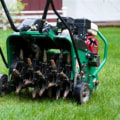
- Aeration Techniques: Regular aeration is one of the most effective methods to prevent soil compaction. Use a core aerator to remove small plugs of soil, allowing air, water, and nutrients to penetrate deeper into the ground. Aim to aerate your turf at least once a year, preferably during the growing season.
- Choosing the Right Grass Types: Select grass varieties that are well-suited for your climate and soil type.
Some grasses have deeper root systems that can help break up compacted soil. For example, perennial ryegrass and tall fescue are known for their resilience and ability to thrive in compacted conditions.
- Limit Heavy Traffic: Designate specific pathways for foot traffic and avoid using heavy machinery on wet or saturated soil. Consider installing stepping stones or mulch paths to minimize wear on your turf.
- Soil Amendments: Incorporate organic matter such as compost or well-rotted manure into your soil. This not only improves soil structure but also enhances its ability to retain moisture and nutrients, reducing the likelihood of compaction.
Aeration Techniques to Alleviate Compaction
Soil compaction can severely hinder the health of your turf, making aeration techniques essential for effective turf management.By alleviating compaction, these methods improve air circulation, water infiltration, and nutrient absorption in the soil.
Core Aeration
One of the most effective methods is core aeration, which involves removing small plugs of soil from the turf. This technique creates holes that allow air, water, and nutrients to penetrate deeper into the soil. The benefits of core aeration include:- Improved root growth: With better access to oxygen and nutrients, grass roots can grow deeper and stronger.
- Enhanced drainage: Core aeration helps reduce surface water runoff, minimizing puddles and promoting healthier turf.
- Reduced thatch buildup: By removing soil cores, this method helps break down thatch, a layer of dead grass and roots that can suffocate your lawn.
Spike Aeration
Another method is spike aeration, which uses a machine with solid tines to puncture the soil without removing any cores. While it is less effective than core aeration, it still offers several advantages:- Quick implementation: Spike aeration can be performed more quickly than core aeration, making it suitable for larger areas.
- Less disruption: Since it doesn’t remove soil plugs, spike aeration causes minimal disturbance to the turf surface.
- Cost-effective: This method often requires less equipment and labor, making it a budget-friendly option for turf care.
Whether you choose core or spike aeration, both methods play a vital role in preventing soil compaction and promoting lush, vibrant grass.
Soil Amendments and Their Role in Turf Management
Soil amendments play a crucial role in turf management by enhancing soil structure and reducing compaction. By incorporating various materials into the soil, turf managers can significantly improve the health and resilience of their grass.Organic Matter
- Compost: Adding compost to the soil not only enriches it with nutrients but also improves its ability to retain moisture and air. This is essential for root development and overall turf health.
- Peat Moss: This amendment helps to increase soil aeration and water retention. It is particularly beneficial in sandy soils that drain quickly.
- Manure: Well-aged manure can enhance soil fertility and structure, providing essential nutrients while also improving microbial activity.
Inorganic Amendments
- Sand: Incorporating sand into clay-heavy soils can help break up compacted layers, improving drainage and aeration.
However, it’s important to use the right type of sand to avoid creating a concrete-like mixture.
- Lime: Not only does lime help to adjust soil pH, but it also improves soil structure by promoting the aggregation of soil particles, which can reduce compaction over time.
- Gypsum: This mineral helps to improve soil structure by displacing sodium ions in sodic soils, leading to better drainage and reduced compaction.
Best Practices for Turf Maintenance to Prevent Compaction
Maintaining healthy turf is essential for preventing soil compaction, which can hinder root growth and overall lawn health. Here are some best practices for turf maintenance that can help keep your soil aerated and thriving.- Mowing Techniques: Regular mowing is crucial, but it’s important to adjust your mower height according to the season. Keeping your grass at a taller height encourages deeper root growth and helps shade the soil, reducing evaporation.
Aim to remove no more than one-third of the grass height at each mowing to avoid stressing the plants.
- Watering Schedule: Proper watering is vital for turf health. Water deeply but infrequently to encourage deep root systems. A general rule is to provide about 1 to 1.5 inches of water per week, including rainfall. Early morning is the best time to water, as it reduces evaporation and fungal diseases.
- Fertilization Tips: Regular fertilization supports healthy grass growth, which can help combat compaction.
Use a slow-release fertilizer in the spring and fall to provide nutrients over time. Be cautious not to over-fertilize, as this can lead to excessive growth and increased mowing frequency.
- Aeration Practices: Consider aerating your lawn at least once a year, especially in high-traffic areas. Aeration involves removing small plugs of soil from the lawn, allowing air, water, and nutrients to penetrate deeper into the soil. This practice significantly reduces compaction and promotes healthier turf.
- Traffic Management: Limit foot traffic on your lawn during wet conditions when the soil is more susceptible to compaction.
Designate pathways or use stepping stones to direct foot traffic away from sensitive areas.
FAQs About Soil Compaction and Turf Management
Soil compaction is a common issue in turf management that can significantly affect the health and appearance of your lawn. Here are some frequently asked questions regarding soil compaction and how to manage it effectively.What causes soil compaction in turf?
Soil compaction typically occurs due to:- Heavy foot traffic: Frequent walking or playing on the lawn can compress the soil.
- Equipment use: The use of heavy machinery for maintenance can lead to compacted areas.
- Wet conditions: Working on wet soil can exacerbate compaction issues.
How can I tell if my soil is compacted?
Signs of compacted soil include:- Poor drainage: Water pooling on the surface after rain.
- Thin grass growth: Areas where grass struggles to grow or appears unhealthy.
- Hard soil: Difficulty inserting a garden fork or spade into the ground.
What are effective methods to prevent soil compaction?
To prevent soil compaction, consider the following strategies:- Aeration: Regularly aerate your lawn to relieve compacted areas and improve air circulation.
- Limit traffic: Designate specific paths for foot traffic and avoid using heavy equipment on wet soil.
- Add organic matter: Incorporating compost or mulch can enhance soil structure and reduce compaction risk.
Can I fix compacted soil?
Yes, compacted soil can be improved through:- Aeration: As mentioned, aerating helps break up compacted layers.
- Topdressing: Applying a thin layer of organic material can help improve soil texture over time.
- Cultivation: Using a tiller or similar tool can help mix in organic matter and relieve compaction.
Conclusion: Key Takeaways on Preventing Soil Compaction in Turf Management
In summary, preventing soil compaction is crucial for effective turf management. Compacted soil can lead to a host of problems, including poor water infiltration, reduced root growth, and diminished nutrient availability. By implementing the strategies discussed, turf managers can maintain healthy and vibrant grass.Key Takeaways:- Regular Aeration: Aerating your turf at least once a year can significantly reduce compaction by creating channels for air, water, and nutrients to penetrate the soil.
- Proper Watering Techniques: Avoid overwatering, as saturated soils are more prone to compaction.
Instead, focus on deep watering practices that encourage root development.
- Soil Amendments: Incorporating organic matter such as compost can improve soil structure and enhance its ability to resist compaction.
- Traffic Management: Limiting foot traffic on sensitive areas and using designated paths can help protect the turf from unnecessary compaction.
- Choosing the Right Grass Type: Selecting grass varieties that are well-suited to your climate and soil conditions can also play a role in reducing compaction issues.