Turf management is a critical aspect of maintaining healthy and vibrant green spaces, whether they are residential lawns, sports fields, or golf courses. One of the most significant challenges faced in turf care is managing drainage issues. Poor drainage can lead to a host of problems, including waterlogged soil, increased susceptibility to diseases, and compromised soil health. Understanding the relationship between turf management and drainage is essential for anyone looking to cultivate lush, resilient turf areas. Effective turf management goes beyond just mowing and fertilizing; it requires a comprehensive approach that includes assessing soil conditions and implementing strategies to enhance drainage.
When water accumulates in turf areas, it can suffocate roots and create an environment conducive to pests and pathogens. Therefore, addressing drainage issues is not merely an aesthetic concern but a fundamental component of promoting overall soil health and ensuring the longevity of your turf. In this article, we will explore various methods to improve drainage in turf areas, providing practical solutions that can be easily implemented. From aeration techniques to the installation of drainage systems, these strategies will help you create a thriving landscape that stands up to the challenges posed by excess moisture. By prioritizing effective drainage solutions within your turf management practices, you can foster a healthier environment for your grass to flourish.
Assessing Drainage Problems in Turf Areas
Identifying and assessing drainage problems in turf areas is crucial for effective turf management.Poor drainage can lead to a variety of issues, including waterlogged soil, reduced grass health, and increased susceptibility to pests and diseases. Here are some key signs and methods to evaluate drainage conditions:
- Visual Indicators: Look for areas where water tends to pool after rainfall. Puddles that persist for more than a few hours are a clear sign of inadequate drainage.
- Soil Texture Assessment: Conduct a simple soil test by digging a small hole about 12 inches deep. Fill it with water and observe how quickly it drains.
If the water takes longer than 30 minutes to drain, your soil may have poor drainage.
- Grass Health: Monitor the health of your turf. Yellowing grass or patches of dead grass can indicate waterlogged conditions or poor aeration due to compacted soil.
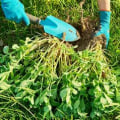
- Root Examination: Carefully remove a small section of turf to inspect the root system. Healthy roots should be white and firm, while dark, mushy roots suggest over-saturation and potential root rot.
By understanding the specific drainage issues in your turf areas, you can take targeted actions to improve overall soil health and turf quality.
Soil Aeration Techniques for Improved Drainage
Effective soil aeration techniques are essential for enhancing drainage in turf areas, particularly in regions prone to waterlogging. By improving soil structure and increasing air exchange, these methods can significantly boost the health and resilience of your turf. One of the most widely used techniques is core aeration. This process involves removing small plugs of soil from the turf, which creates holes that allow air, water, and nutrients to penetrate deeper into the root zone. Core aeration is particularly beneficial for compacted soils, as it alleviates pressure and promotes root growth.It is best performed during the growing season when the grass can recover quickly. Another method is spike aeration, which uses a machine equipped with solid tines to puncture the soil without removing any material. While this technique is less invasive than core aeration, it can still improve drainage by creating channels for water movement. Spike aeration is often used as a maintenance practice to keep the soil from becoming too compacted over time. In addition to these methods, consider implementing liquid aeration. This technique involves applying a liquid solution that helps break down compacted soil particles and enhances microbial activity.
Liquid aeration can be particularly useful in areas where traditional methods may be impractical due to existing turf conditions. To maximize the benefits of any aeration technique, it’s crucial to follow up with proper turf management practices. Regularly overseeding after aeration can help fill in any bare spots and improve overall turf density. Additionally, applying a balanced fertilizer post-aeration can support recovery and promote healthy growth. In summary, incorporating various aeration techniques into your turf management strategy can lead to improved drainage and healthier turf. Whether you choose core, spike, or liquid aeration, each method offers unique advantages that contribute to a thriving lawn.
Implementing Proper Grading and Contouring
Effective turf management relies heavily on the principles of proper grading and contouring.These techniques are essential for facilitating water runoff and preventing the accumulation of water, which can lead to various turf health issues.
Grading turf areas
involves adjusting the slope of the land to ensure that water flows away from high-traffic zones and structures. A well-graded lawn should have a slight slope, ideally between 1% to 2%, directing water towards drainage areas or natural outlets. This not only helps in managing excess moisture but also promotes healthier root systems by preventing waterlogging.In addition to grading, contouring for drainage is another critical aspect of effective turf management. Contouring involves creating a series of ridges and valleys that guide water movement across the landscape.This method can be particularly beneficial in larger areas where traditional grading may not suffice. By implementing contouring techniques, you can create natural barriers that slow down water flow, allowing it to percolate into the soil rather than running off too quickly.
- Identify low spots: Regularly inspect your turf areas for any depressions where water tends to pool.
- Adjust slopes: Use soil or sand to fill in low areas and create a consistent slope.
- Create swales: These shallow channels can help direct water away from problem areas.
- Install drainage systems: In severe cases, consider adding French drains or other drainage solutions to manage excess water effectively.
Utilizing Drainage Systems: French Drains and More
Effective drainage systems are essential for maintaining healthy turf areas, especially in regions prone to heavy rainfall or poor soil drainage. Among the various options available, French drains and subsurface drainage systems stand out as popular solutions.French Drains
A French drain is a trench filled with gravel or rock that directs water away from specific areas.This system is particularly effective in preventing water accumulation on the surface, which can lead to turf damage. The installation process involves:
- Identifying the area where water tends to pool.
- Digging a trench that slopes away from the turf area.
- Placing a perforated pipe at the bottom of the trench.
- Covering the pipe with gravel to facilitate water flow.
Subsurface Drainage Systems
Subsurface drainage systems involve installing pipes below the surface of the turf to collect and redirect excess water. These systems are particularly beneficial for larger areas or fields where surface drainage is insufficient. The installation typically includes:- Mapping out the area to determine optimal pipe placement.
- Excavating trenches for the pipes, ensuring they have a slight slope.
- Installing perforated pipes surrounded by gravel or sand.
- Capping the trenches with soil and turf to restore the surface.
By implementing these strategies, turf managers can ensure optimal conditions for grass health and longevity.
Choosing the Right Grass Types for Better Drainage
When it comes to turf management, selecting the right grass types is crucial for enhancing drainage in turf areas. Certain grass species are naturally better suited for managing water runoff and improving soil aeration, which can significantly impact the health and resilience of your lawn.Grass Types for Improved Drainage
- Bermudagrass: This warm-season grass is known for its drought resistance and ability to thrive in sandy soils, making it an excellent choice for areas prone to drainage issues.
- Fescue: Tall fescue, in particular, has deep roots that help break up compacted soil, allowing water to penetrate more effectively. Its drought-resistant qualities also make it a popular choice for transitional zones.
- Perennial Ryegrass: This cool-season grass germinates quickly and establishes a dense root system that can help absorb excess moisture, making it ideal for areas with heavy rainfall.
Drought-Resistant Grass Options
In addition to selecting grasses that improve drainage, opting for drought-resistant varieties can further enhance your turf's ability to manage water. These grasses require less irrigation and are more resilient during dry spells:
- Zoysiagrass: Known for its heat tolerance and drought resistance, Zoysiagrass forms a thick mat that helps prevent soil erosion and improves water infiltration.
- Kentucky Bluegrass: While it requires more water than some other options, its deep root system allows it to survive periods of drought once established.
Turf Selection Tips
When selecting grass types for your turf, consider the following:
- Assess your local climate and soil conditions to choose the most suitable grass species.
- Look for grasses that are adapted to your specific region's rainfall patterns.
- Consider mixing different grass types to create a more resilient lawn that can handle varying weather conditions.
Maintaining Healthy Soil Structure for Optimal Drainage
Maintaining a healthy soil structure is crucial for optimal drainage in turf areas.A well-structured soil allows water to infiltrate efficiently, reducing the risk of waterlogging and promoting healthy grass growth. Here are some effective strategies to enhance soil structure and improve overall soil health.
- Incorporate Organic Matter: Adding organic amendments such as compost, well-rotted manure, or leaf mold can significantly improve soil structure. These materials enhance the soil's ability to retain moisture while also promoting aeration.
- Aeration: Regularly aerating your turf can alleviate compaction, which is a common issue that hinders drainage. Aeration creates channels in the soil, allowing air, water, and nutrients to penetrate deeper.
- Soil Testing: Conducting a soil test helps identify nutrient deficiencies and pH imbalances.
By understanding your soil's specific needs, you can tailor your amendments to improve its structure and health.
- Cover Crops: Planting cover crops during the off-season can enhance soil structure by preventing erosion and adding organic matter when they decompose. Leguminous cover crops also fix nitrogen in the soil, further enriching it.
- Proper Water Management: Implementing a proper irrigation schedule prevents over-saturation of the soil. Using techniques like drip irrigation can help maintain optimal moisture levels without compromising drainage.
Regular Maintenance Practices to Enhance Drainage
Improving drainage in turf areas is essential for maintaining a healthy lawn.Regular maintenance practices play a crucial role in enhancing drainage over time. Here are some effective strategies to consider:
- Mowing Techniques: Regular mowing not only keeps your lawn looking neat but also promotes healthy grass growth. Aim to mow at the recommended height for your grass type, as taller grass can develop deeper roots, which helps improve soil structure and drainage.
- Core Aeration: Aerating your lawn once or twice a year can significantly enhance drainage. This process involves removing small plugs of soil, allowing air, water, and nutrients to penetrate deeper into the ground.
Aeration is particularly beneficial for compacted soils.
- Topdressing: Applying a thin layer of organic matter or compost after aeration can improve soil structure and drainage. This practice helps to break up compacted soil and adds beneficial microorganisms that promote healthy turf.
- Seasonal Care: Adjusting your lawn care routine according to the seasons can also improve drainage. In the spring, focus on fertilization and weed control, while in the fall, consider overseeding to promote a thicker turf that can better absorb water.
FAQs About Improving Drainage in Turf Areas
Improving drainage in turf areas is a common concern for many homeowners and landscape managers.Here are some frequently asked questions that can help clarify this topic:
What are the signs of poor drainage in turf areas?
Signs of poor drainage include:- Water pooling on the surface after rainfall.
- Excessive moss or algae growth, indicating overly wet conditions.
- Thin or patchy grass that struggles to thrive.
- Soil erosion in areas where water runs off.
How can I improve drainage in my lawn?
There are several effective methods to enhance drainage:- Aeration: This process involves perforating the soil with holes to allow air, water, and nutrients to penetrate deeper.
- Installing French drains: These are trenches filled with gravel that redirect water away from problem areas.
- Amending soil: Adding organic matter like compost can improve soil structure and drainage capabilities.
Is it possible to fix drainage issues without professional help?
Yes, many homeowners can address minor drainage issues themselves by implementing simple solutions such as:- Regularly mowing to maintain healthy grass that can absorb more water.
- Creating slope adjustments in the landscape to direct water flow away from turf areas.
When should I consider hiring a professional?
If you notice persistent drainage problems despite your efforts, or if the area is large and complex, it may be time to consult a professional. They can provide tailored solutions based on your specific turf management needs.Conclusion: Key Takeaways for Effective Turf Management and Drainage Improvement
In summary, effective turf management hinges significantly on the implementation of proper drainage strategies. By addressing drainage issues, turf managers can enhance the health and resilience of grass areas, leading to a more vibrant and sustainable landscape. Here are the key takeaways for improving drainage in turf areas:- Soil Aeration: Regularly aerating the soil helps alleviate compaction, allowing water to penetrate deeper and reducing surface runoff.
- Topdressing: Applying a layer of organic matter or sand can improve soil structure, enhance water infiltration, and promote better drainage.
- Proper Grading: Ensuring that the turf area is graded correctly can direct water away from high-traffic zones and prevent pooling.
- Install Drainage Systems: Utilizing French drains or subsurface drainage systems can effectively manage excess water and improve overall soil moisture levels.
- Choose Appropriate Grass Species: Selecting grass types that are well-suited for your local climate and soil conditions can lead to better drainage and drought resistance.