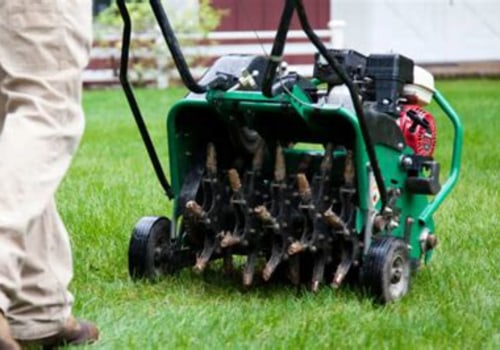
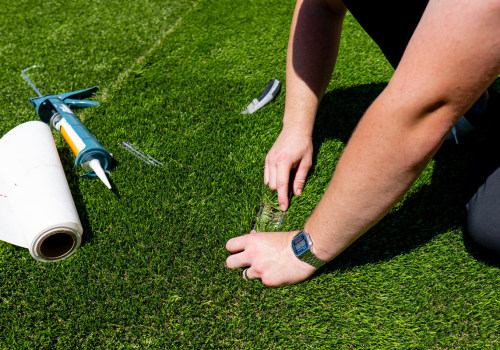
Turf management is a critical aspect of maintaining vibrant and healthy landscapes, whether for residential lawns, sports fields, or commercial properties. It encompasses a variety of practices aimed at promoting the growth and sustainability of grass and other ground covers. Understanding turf management is essential not only for aesthetic appeal but also for environmental health, as well-managed turf can improve air quality, reduce soil erosion, and enhance biodiversity. The importance of turf management extends beyond mere appearance; it plays a vital role in the overall ecosystem. Healthy turf acts as a natural filter for rainwater, helping to prevent runoff and protect local waterways from pollutants.
Additionally, well-maintained grass can provide a habitat for various wildlife species, contributing to ecological balance. By investing time and resources into effective turf management practices, property owners can enjoy numerous benefits, including reduced maintenance costs, improved soil health, and increased property value. As we delve deeper into the topic of turf management, it is crucial to address the use of pesticides and herbicides. While these chemicals can be effective tools for controlling pests and weeds, their application must be approached with caution. Understanding the safety precautions necessary when using these substances is essential to protect not only the turf itself but also the surrounding environment and human health.
This knowledge will empower you to make informed decisions that enhance your landscape while minimizing risks.
Types of Pesticides and Herbicides Used in Turf Management
In the realm of turf management, understanding the different types of pesticides and herbicides is essential for effective application and safety. These products are categorized based on their target organisms and modes of action.Types of Pesticides
- Insecticides: Designed to control insect pests that can damage turf. Common examples include pyrethroids and neonicotinoids, which disrupt the nervous system of insects.
- Fungicides: Used to combat fungal diseases that affect grass health. Systemic fungicides penetrate plant tissues, while contact fungicides remain on the surface.
- Bactericides: Target harmful bacteria that can lead to turf diseases.
These are less common but crucial in specific situations.
Types of Herbicides
- Pre-emergent Herbicides: Applied before weed seeds germinate, these herbicides create a barrier that prevents weed growth. They are particularly effective against annual weeds.
- Post-emergent Herbicides: Used after weeds have emerged, these products can be selective (targeting specific weeds) or non-selective (affecting all plants). Glyphosate is a well-known non-selective herbicide.
- Systemic Herbicides: Absorbed by the plant and translocated throughout its tissues, these herbicides effectively kill the entire plant, including roots.
Understanding these distinctions not only aids in effective turf management but also informs the necessary safety precautions when handling these chemicals.When selecting pesticides or herbicides, it is crucial to consider their environmental impact and potential effects on non-target organisms, including beneficial insects and nearby plants. Always refer to product labels for specific application guidelines and safety measures to ensure responsible use.
Safety Precautions Before Application
Before applying pesticides or herbicides as part of your turf management strategy, it is crucial to take several safety precautions to protect yourself, others, and the environment. Here are some essential pre-application safety tips:- Read the Label: Always start by thoroughly reading the product label. It contains vital information regarding application rates, safety precautions, and specific instructions for use.
Understanding these details can prevent misuse and potential hazards.
- Wear Protective Gear: Equip yourself with appropriate personal protective equipment (PPE). This may include gloves, goggles, long-sleeved shirts, long pants, and a mask or respirator. Wearing the right gear minimizes your exposure to harmful chemicals.
- Check Weather Conditions: Weather plays a significant role in pesticide effectiveness and safety. Avoid applying products on windy days to prevent drift and ensure that rain is not forecasted shortly after application, as this can wash away the chemicals before they have time to work.
- Plan for Safe Application: Choose a time when people and pets are least likely to be in the area.
Early morning or late evening can be ideal times for application when temperatures are cooler and wind is calmer.
- Prepare the Area: Clear the application site of any debris, toys, or furniture that could interfere with the treatment. This not only ensures effective coverage but also protects these items from chemical exposure.
Proper Application Techniques for Pesticides and Herbicides
When it comes to turf management, the proper application of pesticides and herbicides is crucial for both effectiveness and safety. Implementing the right techniques can significantly reduce risks to human health, beneficial organisms, and the environment.Equipment Calibration
Before applying any chemical, it is essential to ensure that your application equipment is properly calibrated. This involves:- Checking nozzle sizes: Different nozzles produce varying droplet sizes, which can affect coverage and drift.
- Adjusting pressure settings: Incorrect pressure can lead to uneven application and increased drift.
- Regular maintenance: Clean and inspect equipment regularly to prevent clogs and ensure accurate delivery.
Application Timing
The timing of your application plays a significant role in its success.Consider the following:
- Weather conditions: Avoid applying pesticides or herbicides during windy conditions to minimize drift. Early morning or late afternoon is often ideal when temperatures are cooler.
- Soil moisture: Ensure the turf is adequately moist before application, as dry conditions can lead to poor absorption.
- Pest life cycles: Apply treatments when pests are most vulnerable, which often coincides with their life cycles.
Minimizing Drift
Drift can lead to unintended damage to non-target plants and harm beneficial insects. To minimize drift:- Use drift-reducing nozzles: These nozzles produce larger droplets that are less likely to be carried away by the wind.
- Avoid high winds: Always check local weather forecasts before application.
- Create buffer zones: Maintain a safe distance from sensitive areas such as gardens, water bodies, and residential zones.
Post-Application Safety Measures
After applying pesticides or herbicides on your turf, it is crucial to follow specific post-application safety measures to ensure both personal safety and environmental protection. Here are some essential steps to consider:- Monitor Treated Areas: After application, keep a close eye on the treated areas.
Avoid allowing pets and children to play on the turf until it is deemed safe, which is typically indicated on the product label.
- Proper Disposal of Containers: Always dispose of pesticide containers according to local regulations. Rinse them thoroughly before disposal to minimize contamination risks. Many areas have designated collection sites for hazardous waste.
- Cleaning Equipment: Clean all application equipment immediately after use. This includes sprayers, hoses, and any other tools that came into contact with the chemicals.
Use soap and water, and ensure that no residue remains.
- Personal Hygiene: Wash your hands and any exposed skin thoroughly after handling pesticides. If you wore gloves during application, dispose of them properly or wash them if they are reusable.
- Avoid Rainy Days: If rain is forecasted shortly after application, consider postponing your treatment. Rain can wash away the chemicals, reducing their effectiveness and potentially leading to runoff.
Environmental Considerations in Turf Management
When it comes to turf management, the use of pesticides and herbicides can have significant environmental impacts. These chemicals, while effective in controlling pests and weeds, can also pose risks to non-target organisms, including beneficial insects, birds, and aquatic life.Therefore, it is crucial to consider sustainable practices that minimize these risks.One of the primary concerns with chemical treatments is their potential to contaminate soil and water sources. Runoff from treated areas can carry these substances into nearby streams and lakes, affecting water quality and harming aquatic ecosystems. To mitigate these effects, turf managers should:
- Implement Integrated Pest Management (IPM): This approach combines biological, cultural, and mechanical control methods with minimal chemical use, focusing on long-term prevention of pests through ecological balance.
- Choose Eco-Friendly Alternatives: Opt for organic pesticides or natural herbicides that are less harmful to the environment. Products derived from plant extracts or microbial agents can be effective without the adverse effects associated with synthetic chemicals.
- Follow Application Guidelines: Adhering to recommended application rates and timing can reduce the likelihood of runoff and environmental contamination.
Applying treatments during calm weather conditions can also help prevent drift to non-target areas.
Frequently Asked Questions About Pesticide Safety in Turf Management
When it comes to pesticide safety in turf management, many questions arise regarding best practices and precautions. Here are some frequently asked questions that can help clarify safety concerns:What should I wear when applying pesticides?
It is essential to wear appropriate personal protective equipment (PPE) to minimize exposure.This includes:
- Long-sleeved shirts and long pants
- Gloves made of chemical-resistant material
- Goggles or a face shield to protect your eyes
- Respirators, if recommended on the pesticide label
- Closed-toe shoes and socks
How can I ensure safe application of herbicides?
To apply herbicides safely, follow these guidelines:- Read the label: Always read and follow the instructions on the pesticide label carefully.
- Avoid windy days: Apply products when there is little to no wind to prevent drift.
- Keep pets and children away: Ensure that pets and children are not in the area during application and for the recommended re-entry period.
- Use the right equipment: Utilize calibrated sprayers or spreaders to ensure even application.
What are the signs of pesticide exposure?
If you suspect pesticide exposure, be aware of the following symptoms:- Nausea or vomiting
- Dizziness or headaches
- Irritation of the skin, eyes, or respiratory tract
- Unusual fatigue or weakness
Conclusion: Key Takeaways for Safe Turf Management Practices
In conclusion, ensuring safety while using pesticides and herbicides in turf management is paramount for both environmental health and personal well-being. By adhering to the guidelines outlined throughout this article, you can effectively minimize risks associated with chemical applications.Key takeaways include:- Read Labels Carefully: Always follow the manufacturer's instructions on product labels, which provide essential information on application rates, timing, and safety precautions.
- Wear Protective Gear: Equip yourself with appropriate personal protective equipment (PPE), such as gloves, masks, and goggles, to shield yourself from potential exposure.
- Choose the Right Products: Opt for pesticides and herbicides that are specifically designed for turf management and are less harmful to beneficial organisms.
- Avoid Application on Windy Days: Wind can cause drift, leading to unintended exposure of non-target areas. Apply products during calm weather conditions.
- Keep Pets and Children Away: Ensure that pets and children are kept at a safe distance during application and until the treated area is dry or as specified on the label.
- Store Chemicals Safely: Store pesticides and herbicides in a secure location, away from children and pets, to prevent accidental ingestion or exposure.