Turf management is a critical aspect of maintaining healthy and aesthetically pleasing landscapes, whether in residential lawns, sports fields, or golf courses. It encompasses a variety of practices aimed at promoting the growth and sustainability of grass while managing pests, diseases, and environmental conditions. However, the journey of turf management is fraught with challenges, particularly the heavy reliance on chemical treatments. These treatments, while effective in the short term, can lead to long-term ecological consequences and health concerns. One of the primary challenges in turf management is balancing the need for a lush, green lawn with the environmental impact of synthetic chemicals.
Many turf managers find themselves caught in a cycle of applying fertilizers and pesticides to combat weeds and pests, often leading to diminishing returns. This dependency not only affects soil health but also contributes to water pollution and biodiversity loss. As awareness grows regarding these issues, there is an increasing demand for sustainable alternatives that can reduce or eliminate the need for chemical interventions. Understanding these challenges is essential for anyone involved in turf management. By exploring innovative practices such as integrated pest management (IPM), organic fertilizers, and natural pest deterrents, turf managers can create healthier ecosystems that thrive without excessive chemical use.
This shift not only benefits the environment but also enhances the overall quality of turf, making it more resilient to pests and diseases. In the following sections, we will delve deeper into practical strategies that can help reduce reliance on chemical treatments while promoting sustainable turf management practices.
The Importance of Soil Health in Turf Management
Maintaining healthy soil is crucial in turf management, as it directly influences the overall health and resilience of the turf. Healthy soil provides a robust foundation for grass, allowing it to thrive with minimal reliance on chemical treatments. One of the key components of soil health is its composition. Soil is made up of minerals, organic matter, water, and air.The balance of these elements determines the soil's ability to support plant life.
Organic matter
, in particular, plays a vital role in enhancing soil structure, improving moisture retention, and providing essential nutrients to grass roots. To effectively manage soil health, regular soil testing is essential. This process helps identify nutrient deficiencies and pH imbalances that can hinder turf growth. By understanding the specific needs of the soil, turf managers can implement targeted amendments rather than resorting to broad-spectrum chemical treatments.For instance, if a soil test reveals low nitrogen levels, organic fertilizers can be applied to enrich the soil naturally. Incorporating practices that enhance soil health can significantly reduce the need for chemicals. Here are some effective strategies:
- Composting: Adding compost improves organic matter content and introduces beneficial microorganisms.
- Cover Cropping: Planting cover crops during off-seasons can prevent erosion and enhance nutrient cycling.
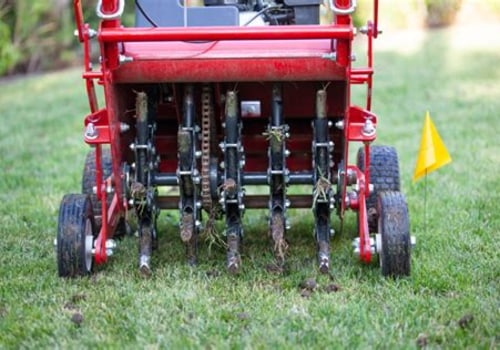
- Aeration: Regular aeration alleviates soil compaction, allowing air and water to penetrate deeper into the root zone.
- Mulching: Applying organic mulch helps retain moisture and suppress weeds without chemicals.
Implementing Integrated Pest Management (IPM)
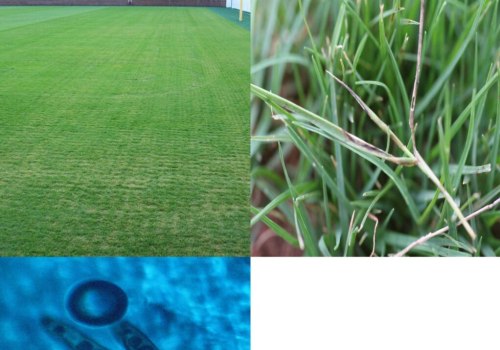
Implementing Integrated Pest Management (IPM) is a crucial strategy in modern turf management, focusing on sustainable practices that minimize the reliance on chemical treatments. IPM combines various management techniques to control pest populations while reducing environmental impact.IPM strategies
can be categorized into several key components:- Monitoring and Identification: Regularly inspecting turf for signs of pests and accurately identifying them is essential. This helps in determining the appropriate management actions needed.
- Threshold Levels: Establishing action thresholds allows turf managers to decide when pest populations reach a level that requires intervention, preventing unnecessary treatments.
- Cultural Practices: Implementing practices such as proper mowing, watering, and fertilization can enhance turf health, making it more resilient to pest infestations.
- Biological Control: Utilizing natural predators or parasites of pests can effectively reduce pest populations without chemicals.
For example, introducing beneficial insects like ladybugs can help control aphid populations.
- Mechanical Control: Physical methods such as traps or barriers can be employed to manage pests. Aeration and dethatching also improve turf health and reduce pest habitats.
- Chemical Control as a Last Resort: When other methods are insufficient, targeted chemical applications may be used. However, these should be selected carefully to minimize impact on non-target organisms and the environment.
This not only reduces the need for chemical treatments but also promotes long-term sustainability in turf care.
Utilizing Natural Fertilizers and Amendments
In the quest for sustainable turf management, utilizing natural fertilizers and organic amendments can significantly reduce the reliance on chemical treatments. These alternatives not only promote healthier grass growth but also enhance soil quality and biodiversity.Benefits of Natural Fertilizers
- Improved Soil Health: Natural fertilizers, such as compost and manure, enrich the soil with essential nutrients while improving its structure and water retention capabilities.
- Reduced Chemical Runoff: By minimizing synthetic inputs, the risk of nutrient runoff into nearby water bodies is significantly lowered, protecting aquatic ecosystems.
- Enhanced Microbial Activity: Organic amendments foster a thriving community of beneficial microorganisms that aid in nutrient cycling and disease suppression.
Types of Organic Amendments
- Compost: A rich source of nutrients that can be applied to turf areas to improve soil fertility and structure.
- Bone Meal: This slow-release fertilizer is high in phosphorus, promoting root development and overall plant health.
- Kelp Meal: Packed with micronutrients and growth hormones, kelp meal enhances turf resilience against stressors.
Turf Fertilization Strategies
- Soil Testing: Conducting regular soil tests helps determine nutrient deficiencies and allows for targeted application of natural fertilizers.
- Topdressing: Applying a thin layer of organic material over the turf can improve soil quality and provide a steady release of nutrients.
- Crop Rotation: Implementing diverse plant species in turf areas can naturally replenish soil nutrients and reduce pest populations.
Choosing the Right Grass Species for Your Environment
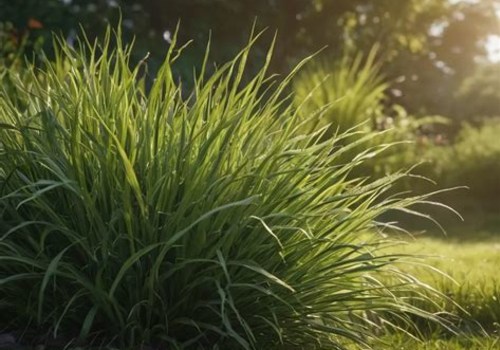
Choosing the right grass species is a critical step in effective turf management. Selecting grasses that are well-suited to your local climate and soil conditions can significantly reduce the need for chemical treatments, leading to a healthier and more sustainable lawn.When considering grass species, it’s essential to evaluate factors such as drought resistance, disease tolerance, and growth habits.Here are some key points to consider:
- Drought-Resistant Grasses: Opt for varieties like Bermudagrass or Zoysiagrass, which require less water and are more resilient during dry spells. These grasses can thrive in arid conditions, reducing the need for irrigation and chemical treatments.
- Local Adaptation: Choose grass species that are native or well-adapted to your region. Native grasses often have natural resistance to local pests and diseases, minimizing the need for chemical interventions.
- Soil Compatibility: Conduct a soil test to determine pH and nutrient levels. Selecting grass types that thrive in your specific soil conditions can enhance growth and reduce reliance on fertilizers and pesticides.
- Growth Rate: Fast-growing grasses may require more frequent mowing and maintenance, which can lead to increased chemical use.
Slower-growing varieties can be more sustainable options.
Water Management Techniques for Healthy Turf
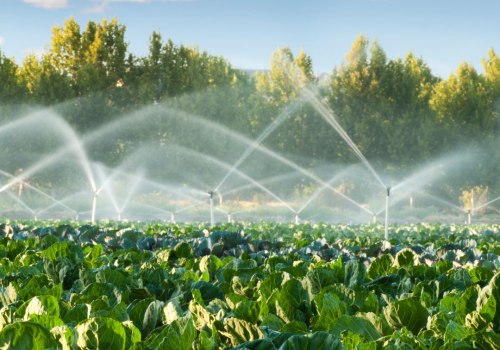
Effective water management is crucial for maintaining healthy turf while minimizing the need for chemical treatments. By implementing strategic irrigation techniques and promoting drought-resistant practices, turf managers can enhance the resilience of their grass and reduce dependency on synthetic inputs.Irrigation Techniques
- Drip Irrigation: This method delivers water directly to the root zone, minimizing evaporation and runoff. It ensures that the turf receives adequate moisture without overwatering.
- Smart Irrigation Controllers: Utilizing weather-based or soil moisture sensors can optimize watering schedules, ensuring that turf is only irrigated when necessary.
This not only conserves water but also promotes deeper root growth.
- Timing of Watering: Watering early in the morning or late in the evening reduces evaporation losses. This practice allows for better absorption and less stress on the turf during peak heat hours.
- Selecting Appropriate Grass Varieties: Choosing native or drought-resistant grass species can significantly reduce water needs. Varieties such as Bermuda grass or fescue are known for their resilience in dry conditions.
- Soil Health Improvement: Enhancing soil structure through organic amendments like compost can improve water retention and drainage. Healthy soil supports robust root systems, which are essential for drought resistance.
- Mulching: Applying organic mulch around turf areas can help retain moisture, suppress weeds, and improve soil quality over time.
The Role of Aeration and Overseeding in Turf Health
Maintaining a healthy turf is essential for reducing reliance on chemical treatments in turf management.Two effective practices that contribute significantly to turf health are aeration and overseeding.
Aeration Benefits
Aeration involves perforating the soil with holes to allow air, water, and nutrients to penetrate down to the roots. This process offers several benefits:- Improved Soil Structure: Aeration helps alleviate soil compaction, which can hinder root growth and water absorption.
- Enhanced Nutrient Uptake: By creating channels in the soil, aeration facilitates better access to essential nutrients for grass roots.
- Increased Microbial Activity: Aerated soil promotes a healthier ecosystem of beneficial microbes that contribute to nutrient cycling.
Overseeding Techniques
Overseeding is the practice of sowing grass seed directly into existing turf without tearing up the lawn. This technique can rejuvenate tired lawns and improve overall resilience. Here are some effective overseeding techniques:- Select the Right Seed: Choose a grass variety that is well-suited to your climate and soil conditions.
- Timing is Key: The best time to overseed is during the growing season when temperatures are optimal for seed germination.
- Prepare the Lawn: Mow the existing grass short and rake to remove debris, ensuring good seed-to-soil contact.
- Water Wisely: Keep the soil consistently moist until the new grass establishes itself, but avoid overwatering.
These methods not only improve resilience against pests and diseases but also reduce the need for chemical treatments, leading to a more sustainable lawn care approach.
Community Involvement and Education in Sustainable Practices
Community involvement and education play a crucial role in promoting sustainable turf management practices that significantly reduce the reliance on chemical treatments. By fostering a culture of awareness and responsibility, communities can work together to implement effective strategies that benefit both the environment and public health.Engaging the Community
- Workshops and Seminars: Organizing local workshops can educate residents about sustainable practices such as organic fertilization, natural pest control, and proper irrigation techniques. These events can empower homeowners to make informed decisions regarding their lawn care.
- Community Gardens: Establishing community gardens not only beautifies neighborhoods but also serves as a practical demonstration of sustainable turf management. Participants can learn hands-on about soil health, plant selection, and maintenance without chemicals.
- Neighborhood Initiatives: Forming neighborhood groups focused on sustainable landscaping can encourage collective action.
These groups can share resources, tools, and knowledge, making it easier for individuals to adopt eco-friendly practices.
Education in Schools
- Curriculum Integration: Schools can incorporate lessons on sustainable turf management into their science or environmental studies curriculum. This early education fosters a sense of stewardship among students, encouraging them to advocate for greener practices in their homes.
- Field Trips: Organizing field trips to local parks or botanical gardens allows students to see sustainable practices in action. Such experiences can inspire future generations to prioritize environmental health.
Raising Awareness
Utilizing social media platforms and local newsletters can help spread awareness about the benefits of reducing chemical use in turf management. Sharing success stories from community members who have adopted sustainable practices can motivate others to follow suit.
Additionally, collaborating with local environmental organizations can amplify these efforts, providing resources and expertise to further educate the community.In conclusion, by actively engaging the community and prioritizing education on sustainable turf management practices, we can collectively reduce the need for chemical treatments. This not only enhances the health of our lawns but also contributes to a healthier ecosystem for all.
Frequently Asked Questions about Reducing Chemical Treatments in Turf Management
Reducing the need for chemical treatments in turf management is a growing concern among homeowners and landscape professionals alike. Here are some frequently asked questions that can help clarify this important topic:What are some natural alternatives to chemical fertilizers?
Natural fertilizers, such as compost, manure, and bone meal, can provide essential nutrients to your lawn without the harmful effects of synthetic chemicals. These organic options improve soil health and promote a more sustainable lawn care approach.How can I manage pests without chemicals?
Integrated Pest Management (IPM) is an effective strategy that combines biological control, habitat manipulation, and cultural practices to manage pests.For example, introducing beneficial insects like ladybugs can help control aphid populations naturally.
What role does proper mowing play in reducing chemical use?
Mowing at the correct height can significantly reduce the need for herbicides. Taller grass shades the soil, which helps prevent weed growth and retains moisture. Additionally, leaving grass clippings on the lawn can return nutrients to the soil.Are there specific grass types that require fewer chemicals?
Yes, certain grass varieties are more resilient and require less maintenance. For instance, Bermudagrass and Zoysiagrass are known for their drought resistance and ability to thrive in various conditions, reducing the need for chemical treatments.How can I improve soil health naturally?
- Regular aeration: This process allows air, water, and nutrients to penetrate deeper into the soil.
- Mulching: Applying organic mulch helps retain moisture and suppress weeds.
- Crop rotation: Changing the types of plants grown in your lawn can prevent nutrient depletion and pest buildup.
Conclusion: Embracing Sustainable Turf Management Practices
In conclusion, the journey towards sustainable turf management is not only beneficial for the environment but also essential for the long-term health of our landscapes.By adopting practices that minimize reliance on chemical treatments, we can create vibrant, resilient turf that thrives naturally. Throughout this article, we explored various strategies to reduce chemical inputs, including:
- Soil Health Improvement: Regularly testing and amending soil can enhance its structure and nutrient content, leading to healthier grass that requires fewer chemicals.
- Integrated Pest Management (IPM): Utilizing a combination of biological controls, cultural practices, and targeted chemical applications can effectively manage pests while reducing overall chemical use.
- Proper Mowing Techniques: Maintaining the correct mowing height and frequency encourages deeper root growth and improves turf resilience against pests and diseases.
- Water Management: Implementing efficient irrigation systems helps prevent overwatering, which can lead to disease and pest problems.
- Diverse Plant Selection: Choosing a variety of grass species and cultivars can enhance biodiversity, making the turf more resilient to environmental stresses.