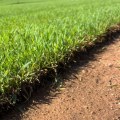
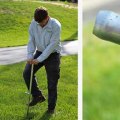
Turf compaction is a common issue that affects the health and appearance of lawns, sports fields, and golf courses. It occurs when soil particles are pressed together, reducing the pore space between them. This compression can lead to a variety of problems, including poor water infiltration, reduced root growth, and limited nutrient availability. Understanding turf compaction is essential for effective turf management, as it directly impacts the overall vitality of the grass and the functionality of the turf area. Several factors contribute to turf compaction.
Heavy foot traffic, especially in high-use areas like playgrounds and sports fields, can significantly compress the soil. Additionally, machinery used for maintenance or construction can exacerbate the problem. Environmental conditions such as wet soil can also lead to increased compaction, as saturated soils are more susceptible to being compressed. Recognizing these causes is crucial for turf managers who aim to maintain healthy and resilient grass. By understanding what turf compaction is and its underlying causes, turf managers can implement effective strategies to mitigate its effects.
This knowledge not only helps in maintaining aesthetic appeal but also ensures that the turf remains functional for its intended use. In the following sections, we will explore practical methods to prevent compaction and enhance turf health, making it vital for anyone involved in turf management to grasp these concepts thoroughly.
The Importance of Preventing Turf Compaction
Preventing turf compaction is crucial for maintaining the health and vitality of your lawn.Turf compaction
occurs when soil particles are pressed together, reducing the pore space between them. This leads to several negative effects that can compromise grass health, soil quality, and the overall aesthetics of your landscape.Effects of Turf Compaction:
- Reduced Airflow: Compacted soil limits the amount of oxygen that can reach the roots of grass, which is essential for their growth and survival.
- Water Drainage Issues: When soil is compacted, it becomes less permeable, leading to poor drainage.
This can result in water pooling on the surface or excessive runoff, both of which can harm your turf.
- Nutrient Deficiency: Compaction restricts root expansion and nutrient uptake, making it difficult for grass to access essential minerals and organic matter in the soil.
Benefits of Healthy Turf:
- Aesthetic Appeal: A well-maintained lawn enhances the beauty of your landscape, providing a lush green backdrop for outdoor activities.
- Environmental Benefits: Healthy turf contributes to improved air quality, reduces soil erosion, and supports local wildlife.
- Increased Property Value: A vibrant lawn can significantly boost your property’s market value, making it more attractive to potential buyers.
Signs of Compacted Turf
Recognizing the signs of compacted turf is crucial for effective turf management.Compaction can lead to a host of problems, including poor drainage, reduced root growth, and increased susceptibility to disease. Here are some key indicators to look for:
- Soil Crust Formation: A hard crust on the soil surface can indicate compaction. This crust prevents water from penetrating the soil, leading to surface runoff and erosion.
- Poor Drainage: If water tends to pool on the surface after rainfall or irrigation, it may be a sign that the soil beneath is compacted, restricting water movement.
- Thin or Sparse Grass: Areas of turf that appear thin or have bare patches may be suffering from compaction. The roots struggle to grow in compacted soil, leading to weak grass growth.
- Increased Weeds: Compacted soil often favors weed growth over healthy grass.
If you notice an uptick in weeds, it could be a symptom of underlying compaction issues.
- Hard Soil Texture: When you dig into the soil and find it hard and difficult to penetrate, this is a clear sign of compaction. Healthy soil should crumble easily when disturbed.
Effective Techniques to Prevent Turf Compaction
Preventing turf compaction is essential for maintaining healthy grass and ensuring optimal growth.Here are some effective techniques to consider:
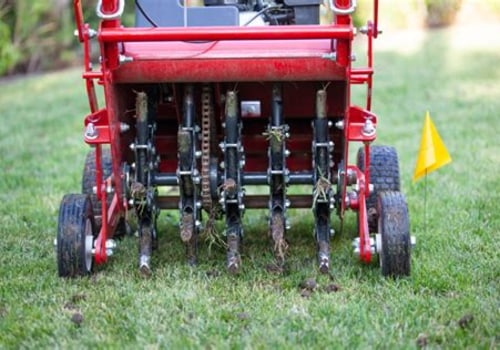
- Aeration: One of the most effective methods for preventing turf compaction is aeration. This process involves perforating the soil with holes to allow air, water, and nutrients to penetrate deeper into the root zone. There are two main types of aeration:
- Core Aeration: This method removes small plugs of soil from the lawn, which helps relieve compaction and promotes root growth.
- Slicing Aeration: This technique uses a machine that slices through the soil, creating channels for air and water without removing soil cores.
- Proper Watering Practices: Overwatering can lead to soil saturation, increasing the risk of compaction. Implement a consistent watering schedule that allows the soil to dry out slightly between watering sessions.
This encourages deeper root growth and reduces surface compaction.
- Soil Amendments: Adding organic matter such as compost can improve soil structure and enhance its ability to retain moisture while reducing compaction. Regularly top-dressing your turf with compost can also promote microbial activity, which helps break down compacted soil.
- Limit Heavy Traffic: Reducing foot traffic on your lawn, especially during wet conditions, can significantly decrease the likelihood of compaction. Consider creating designated pathways or using mulch in high-traffic areas.
Best Practices for Turf Management to Avoid Compaction
Preventing compaction in turf is essential for maintaining a healthy lawn. Here are some best practices for turf management that can help you achieve this goal:- Regular Aeration: Aerating your lawn at least once a year can significantly reduce soil compaction.
This process involves perforating the soil with holes to allow air, water, and nutrients to penetrate deeper into the root zone.
- Proper Watering Techniques: Overwatering can lead to soil compaction. Implement a watering schedule that allows the soil to dry out between watering sessions. This encourages deeper root growth and reduces surface compaction.
- Use of Mulch: Applying a layer of organic mulch can help retain moisture and improve soil structure. As the mulch decomposes, it adds organic matter to the soil, which can enhance its ability to resist compaction.
- Limit Heavy Traffic: Designate specific paths for foot traffic and avoid walking on wet grass.
Heavy foot traffic can compress the soil, leading to increased compaction over time.
- Soil Testing: Conduct regular soil tests to monitor pH levels and nutrient content. Healthy soil is less prone to compaction, so maintaining optimal conditions is crucial.
FAQs About Turf Compaction and Management
Understanding turf compaction is crucial for effective turf management. Here are some frequently asked questions that can help clarify common concerns:- What causes turf compaction? Turf compaction typically occurs due to heavy foot traffic, machinery use, and poor soil structure.
When soil particles are pressed together, it reduces pore space, limiting air and water movement.
- How can I identify compacted turf? Signs of compacted turf include water pooling on the surface, poor drainage, and a spongy feel when walking on the grass. Additionally, grass may appear thin or unhealthy.
- What are the consequences of turf compaction? Compacted soil can lead to stunted root growth, reduced nutrient uptake, and increased susceptibility to pests and diseases. This ultimately affects the overall health and appearance of your lawn.
- How can I prevent turf compaction? To prevent compaction, consider implementing practices such as:
- Limiting heavy traffic on wet soil.
- Using designated pathways for foot traffic.
- Aerating the soil regularly to relieve pressure.
- Incorporating organic matter to improve soil structure.
- Is aeration necessary for all types of turf? Aeration is beneficial for most types of turf, especially those subjected to heavy use. However, the frequency and method may vary based on grass type and soil conditions.
Conclusion: Key Takeaways on Preventing Turf Compaction
In summary, preventing turf compaction is a critical aspect of effective turf management.Compaction can lead to a host of problems, including poor water infiltration, reduced root growth, and increased susceptibility to disease. By implementing the strategies discussed, turf managers can maintain healthier, more resilient grass.Key Takeaways:
- Regular Aeration: Aerating your turf regularly helps alleviate compaction by creating channels for air, water, and nutrients to penetrate the soil.
- Proper Watering Techniques: Avoid overwatering, which can lead to soil saturation and increased compaction. Instead, focus on deep watering practices that encourage root development.
- Soil Amendments: Incorporating organic matter or other soil amendments can improve soil structure and reduce compaction over time.
- Traffic Management: Limiting heavy foot traffic on sensitive areas during wet conditions can significantly reduce the risk of compaction.
- Choosing the Right Grass Type: Selecting grass varieties that are more tolerant to compaction can also play a role in maintaining healthy turf.