Erosion is a natural process that can significantly affect the health and appearance of turf, particularly in sloped areas. It occurs when soil particles are displaced by wind, water, or human activity, leading to the degradation of the landscape. In turf management, understanding the causes and effects of erosion is crucial for maintaining lush, vibrant grass that can withstand environmental challenges. Without proper intervention, erosion can strip away nutrient-rich topsoil, leaving behind a barren surface that is less capable of supporting healthy turf growth. The impact of erosion on turf management extends beyond aesthetic concerns.
As soil erodes, it can lead to uneven surfaces and increased runoff, which may contribute to water quality issues in nearby bodies of water. Additionally, the loss of soil can hinder the establishment of grass roots, making it difficult for turf to thrive. This not only affects the visual appeal of a landscape but also compromises its functionality, especially in recreational areas where a robust turf is essential. In sloped areas, the risk of erosion is heightened due to gravity's role in accelerating water flow down the slope. This increased runoff can wash away seeds and young plants, disrupt soil structure, and create rills or gullies that further exacerbate erosion problems.
Therefore, effective turf management strategies must include proactive measures to prevent erosion and protect these vulnerable areas. By addressing erosion early on, turf managers can ensure a healthier environment for grass growth and maintain the integrity of their landscapes.
Identifying Erosion-Prone Areas in Your Turf
Identifying areas at risk of erosion is a critical step in effective turf management. By recognizing the signs of erosion and assessing slope stability, you can implement targeted strategies to protect your turf.Signs of Erosion
- Visible Rills and Gullies: Look for small channels or depressions forming on the surface of the turf. These are often the first indicators of erosion.
- Soil Loss: If you notice patches where grass is thinning or soil is exposed, this may indicate that erosion is occurring.
- Uneven Surfaces: Areas that appear uneven or have shifted soil can signal instability and potential erosion.
- Water Pooling: If water tends to pool in certain areas after rainfall, it may suggest that the slope is not draining properly, leading to erosion.
Assessing Slope Stability
To effectively manage erosion, it’s essential to assess the stability of slopes in your turf.
Here are some methods to evaluate slope stability:
- Visual Inspection: Walk along the slope and look for signs of soil movement or vegetation loss. Pay attention to areas where water flows rapidly.
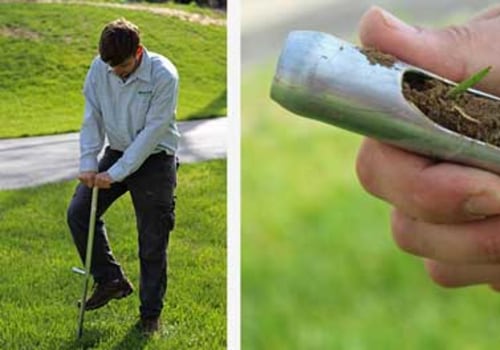
- Soil Testing: Conduct soil tests to determine the composition and moisture content. Sandy soils are more prone to erosion compared to clay soils.
- Topographic Maps: Utilize topographic maps to understand the gradient of your turf. Steeper slopes are generally more susceptible to erosion.
- Professional Assessment: For significant slopes, consider hiring a professional who specializes in turf management and erosion control to conduct a thorough evaluation.
Best Practices for Turf Management on Slopes
Effective turf management on sloped areas requires a combination of strategic planning and ongoing maintenance to prevent erosion and promote healthy grass growth.Here are some best practices to consider:
- Choose the Right Grass Type: Select grass species that are well-suited for slopes. Deep-rooted varieties, such as fescue or bluegrass, can help stabilize the soil and reduce erosion.
- Implement Terracing: Creating terraces can break up the slope into smaller, flatter sections. This not only reduces runoff but also provides more area for planting grass.
- Use Erosion Control Blankets: Installing biodegradable erosion control blankets can protect newly seeded areas from rain and wind while promoting grass establishment.
- Plant Ground Covers: Incorporating ground cover plants alongside turf can enhance soil stability. Species like clover or creeping thyme can fill in gaps and provide additional root support.
- Maintain Proper Drainage: Ensure that water drains away from the slope effectively.
Installing drainage ditches or French drains can help manage excess water and prevent soil saturation.
- Mowing: Keep grass at an appropriate height to encourage deep rooting while preventing weed growth.
- Fertilization: Apply fertilizers based on soil tests to ensure that nutrients are available for healthy growth without causing runoff.
- Irrigation Management: Watering early in the morning reduces evaporation and allows moisture to penetrate deeply into the soil, promoting root development.
Implementing Vegetative Solutions to Combat Erosion
To effectively combat erosion on sloped areas of turf, implementing vegetative solutions is essential. These solutions not only enhance the aesthetic appeal of your landscape but also play a crucial role in stabilizing the soil.Ground covers
are one of the most effective ways to prevent erosion. They create a dense mat of vegetation that protects the soil from rain impact and reduces runoff.Some popular ground cover options include:
- Creeping Thyme: This low-growing plant is drought-resistant and thrives in poor soil conditions, making it ideal for slopes.
- Vinca Minor: Also known as periwinkle, this hardy plant spreads quickly and provides excellent coverage.
- Ajuga: Known for its vibrant foliage and flowers, ajuga can thrive in various light conditions and helps suppress weeds.
- Red Maple: This tree not only provides shade but also has a robust root system that helps hold soil in place.
- Switchgrass: A native grass that grows tall and dense, switchgrass is excellent for preventing soil erosion while providing habitat for wildlife.
- Black-eyed Susan: This perennial flower not only adds color but also has a deep root system that helps stabilize the soil.
By strategically planting a combination of ground covers and deep-rooted plants, you can create a resilient landscape that effectively prevents erosion while enhancing the overall health of your turf.
Utilizing Structural Solutions for Erosion Control
When managing turf on sloped areas, implementing structural solutions is essential for effective erosion control. These solutions not only help in stabilizing the soil but also enhance the aesthetic appeal of your landscape.Retaining Walls
Retaining walls are one of the most effective structural solutions for preventing erosion on slopes. They work by holding back soil and creating a level area that can absorb water more effectively. Constructed from materials such as stone, concrete, or timber, retaining walls can be designed to fit the specific needs of your turf management plan.Additionally, they can be integrated with drainage systems to direct water away from vulnerable areas.
Terraces
Terracing is another viable option for managing sloped turf. This method involves creating a series of flat areas or steps along the slope, which reduces the speed of water runoff and allows for better absorption into the soil. Terraces can be particularly beneficial in agricultural settings, where they help retain moisture and nutrients while minimizing soil loss.Drainage Systems
Incorporating drainage systems is crucial for managing water flow on sloped areas. Proper drainage helps prevent water accumulation that can lead to erosion.Options include:
- French Drains: These are trenches filled with gravel and a perforated pipe that redirects excess water away from the slope.
- Swales: Shallow ditches designed to manage water runoff by slowing it down and allowing it to infiltrate into the ground.
- Downspout Extensions: These direct roof runoff away from slopes, reducing the volume of water that could contribute to erosion.
Water Management Techniques to Prevent Erosion
Effective water management is crucial in preventing erosion on sloped areas of turf. By controlling runoff and maintaining soil moisture, you can significantly reduce the risk of soil displacement. Here are some key techniques to consider:- Implementing Drainage Solutions: Proper drainage systems are essential for managing excess water. Consider installing French drains, which can redirect water away from sloped areas, or using swales to channel runoff into designated areas where it can be absorbed.
- Utilizing Retention Ponds: If space allows, creating a retention pond can help manage stormwater runoff.
These ponds collect water during heavy rains, allowing it to gradually infiltrate the soil rather than rushing down slopes and causing erosion.
- Incorporating Rain Gardens: Rain gardens are designed to capture and absorb rainwater. By planting native vegetation in these gardens, you can enhance water absorption and reduce runoff, which is particularly beneficial on sloped terrains.
- Drip Irrigation: This method delivers water directly to the root zone of plants, minimizing surface runoff and evaporation. It’s an efficient way to keep turf healthy while preventing excess water from flowing down slopes.
- Soil Moisture Sensors: Installing sensors can help monitor soil moisture levels, allowing for precise irrigation scheduling. This ensures that turf receives adequate water without over-irrigating, which can lead to erosion.
Regular Maintenance Practices to Sustain Turf Health
To effectively manage turf health and prevent erosion on sloped areas, implementing regular maintenance practices is essential.These practices not only enhance the aesthetic appeal of your turf but also contribute significantly to its resilience against erosion.
Aeration
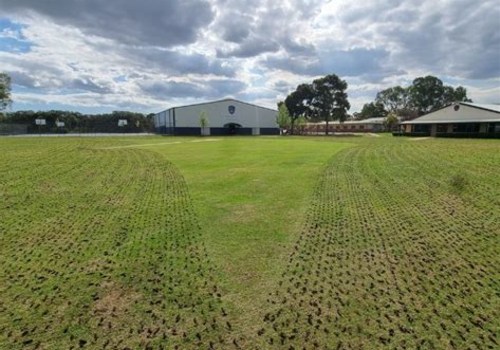
is one of the most critical maintenance tasks. By perforating the soil with holes, aeration allows air, water, and nutrients to penetrate deep into the root zone. This process helps alleviate soil compaction, which is particularly important on slopes where water runoff can wash away topsoil. Regular aeration promotes deeper root growth, making the turf more stable and less susceptible to erosion. Another vital practice is fertilization.Applying a balanced fertilizer at the right times of the year ensures that your turf receives essential nutrients. Healthy grass is better equipped to withstand environmental stressors and can hold soil in place more effectively. Consider using slow-release fertilizers to provide a steady supply of nutrients over time, which can be particularly beneficial for sloped areas. Additionally, regular mowing at the appropriate height encourages denser turf growth. Taller grass blades can help trap moisture and reduce runoff, further minimizing erosion risks.
It’s also important to keep mower blades sharp to ensure clean cuts, which promote healthier grass. Implementing a proper watering schedule is crucial as well. Overwatering can lead to runoff and erosion, while underwatering can stress the grass. Aim for deep, infrequent watering to encourage deep root systems that stabilize the soil. Lastly, consider incorporating ground cover plants or erosion control blankets on particularly steep slopes. These plants not only enhance biodiversity but also provide additional root systems that help hold soil in place. By integrating these regular maintenance practices into your turf management routine, you can significantly improve soil health and reduce the risk of erosion on sloped areas.
FAQs About Erosion Prevention on Sloped Turf Areas
When it comes to preventing erosion on sloped turf areas, many homeowners and landscapers have questions.Here are some of the most frequently asked questions regarding turf management and slope management:
What are the best plants for stabilizing slopes?
Choosing the right plants is crucial for stabilizing sloped areas.Ground covers
such as creeping thyme, sedum, and native grasses are excellent choices. These plants have extensive root systems that help hold the soil in place while also providing aesthetic value.How often should I water sloped turf?
Watering frequency depends on several factors, including climate and soil type. Generally, it’s best to water deeply but infrequently to encourage deep root growth.On slopes, consider using a drip irrigation system or soaker hoses to minimize runoff and ensure even moisture distribution.
Can I use mulch to prevent erosion?
Yes, applying a layer of organic mulch can significantly help in preventing erosion. Mulch not only retains moisture but also protects the soil from heavy rains that can wash it away. Use materials like wood chips or straw, ensuring they are spread evenly across the slope.What role does soil quality play in erosion prevention?
The quality of your soil is fundamental in turf management. Healthy soil with good organic matter content improves water retention and root development, making it less susceptible to erosion.Regularly testing your soil and amending it with compost can enhance its structure and fertility.
Are there any specific erosion control products I should consider?
- Erosion control blankets: These biodegradable mats help stabilize soil while promoting vegetation growth.
- Silt fences: Installing silt fences can help catch sediment during heavy rains.
- Hydroseeding: This method combines seed, fertilizer, and mulch in a slurry that is sprayed onto the slope for quick establishment of grass.
Conclusion: Key Takeaways for Effective Erosion Prevention in Turf Management
In summary, effective erosion prevention in sloped areas of turf is crucial for maintaining healthy landscapes and preventing soil loss. By implementing a combination of strategies, turf managers can significantly reduce the risk of erosion and promote sustainable turf health.Key Strategies for Erosion Prevention
- Soil Stabilization: Utilize soil amendments and organic matter to enhance soil structure and increase its ability to retain moisture and nutrients.
- Vegetative Cover: Establishing deep-rooted grasses and ground covers can help anchor the soil, reducing runoff and promoting water absorption.
- Contour Planting: Aligning planting rows with the natural contours of the land can slow water flow and minimize erosion.
- Drainage Management: Installing proper drainage systems, such as swales or retention basins, can redirect excess water away from vulnerable areas.
- Regular Maintenance: Routine inspections and maintenance practices, including aeration and overseeding, can help maintain turf density and health.