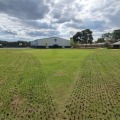
Understanding nutrient deficiencies in turf is essential for anyone involved in turf management, whether for residential lawns, sports fields, or golf courses. Nutrients play a pivotal role in the overall health and vitality of turfgrass, influencing everything from growth rates to disease resistance. When turf lacks essential nutrients, it can lead to a range of problems, including poor color, stunted growth, and increased susceptibility to pests and diseases. Recognizing these deficiencies early is crucial for maintaining a lush and resilient lawn. The importance of nutrients cannot be overstated; they are the building blocks that support photosynthesis, root development, and overall plant metabolism.
Key nutrients such as nitrogen, phosphorus, and potassium each serve unique functions that contribute to the turf's health. For instance, nitrogen is vital for leaf growth and green color, while phosphorus promotes root establishment and flowering. Without a balanced supply of these nutrients, turf can quickly decline, leading to costly repairs and maintenance. In this section, we will delve into the various signs of nutrient deficiencies in turf and discuss how to effectively identify them. By understanding the symptoms associated with different nutrient shortages, turf managers can take proactive steps to correct these issues before they escalate.
This foundational knowledge sets the stage for exploring specific identification techniques and correction methods that will ensure your turf remains healthy and vibrant throughout the growing season.
Common Nutrient Deficiencies in Turf
Identifying nutrient deficiencies in turf is crucial for maintaining a healthy lawn. Among the most common deficiencies are nitrogen, phosphorus, and potassium, each presenting distinct symptoms that can help turf managers diagnose issues effectively.Nitrogen Deficiency
A lack of nitrogen often manifests as a yellowing of the grass, particularly in older leaves. This condition, known as chlorosis, can lead to stunted growth and a sparse appearance. If you notice that your turf is losing its vibrant green color and appears pale or yellowish, it may be time to assess your nitrogen levels.Additionally, nitrogen-deficient turf may have a reduced ability to recover from stressors such as drought or foot traffic.
Phosphorus Deficiency
Phosphorus is essential for root development and overall plant vigor. A deficiency in this nutrient can result in dark green or purplish foliage, especially on the underside of leaves. You might also observe poor root growth and delayed establishment in newly seeded areas. If your turf exhibits these symptoms, consider conducting a soil test to determine phosphorus levels and adjust your fertilization strategy accordingly.Potassium Deficiency
Potassium plays a vital role in regulating water uptake and overall plant health.Symptoms of potassium deficiency include leaf tip burn, marginal chlorosis, and increased susceptibility to diseases. Turf that lacks potassium may also struggle with drought resistance and exhibit uneven growth patterns. If you notice these signs, it’s essential to evaluate your soil's potassium content and apply appropriate fertilizers to restore balance. In summary, recognizing these common nutrient deficiencies—nitrogen, phosphorus, and potassium—is key to effective turf management. Regular soil testing and careful observation of turf health can help you maintain a lush, resilient lawn.
Identifying Nutrient Deficiencies: Signs and Symptoms
Identifying nutrient deficiencies in turf is crucial for effective turf management.Visual signs and symptoms can provide valuable insights into the health of your grass. Here are some common indicators to look for:
- Nitrogen Deficiency: Yellowing of the leaves, particularly in older grass blades, is a primary sign. The turf may also appear thin and weak, lacking vigor.
- Phosphorus Deficiency: Dark green or purplish discoloration on the leaves can indicate a lack of phosphorus. Stunted growth and poor root development are also common symptoms.
- Potassium Deficiency: Turf may exhibit browning at the tips of the blades, along with a general decline in overall health.
Leaves may also curl or become more susceptible to disease.
- Iron Deficiency: A yellowing between the veins of the leaves, while the veins themselves remain green, is a classic sign of iron deficiency. This often occurs in younger leaves and can lead to poor growth.
- Magnesium Deficiency: Interveinal chlorosis, where the area between leaf veins turns yellow while the veins stay green, is indicative of magnesium deficiency. This can lead to leaf drop and reduced photosynthesis.
Additionally, regular visual inspections can help catch deficiencies early before they severely impact turf health.Incorporating corrective measures such as fertilization with appropriate nutrient blends can restore balance to your turf. For example, using a nitrogen-rich fertilizer can quickly address nitrogen deficiencies, while adding compost can improve overall soil health and nutrient availability.By being vigilant and proactive in identifying these signs, you can ensure your turf remains lush and healthy throughout the growing season.
Soil Testing: The Key to Accurate Diagnosis
To effectively manage turf, understanding the nutrient profile of your soil is crucial.Soil testing
serves as the foundation for diagnosing nutrient deficiencies, allowing turf managers to make informed decisions about amendments and treatments.Conducting Soil Tests
- Sample Collection: Begin by collecting soil samples from various locations within your turf area. Aim for a depth of 4-6 inches, as this is where most root activity occurs.
Use a clean tool to avoid contamination.
- Mixing Samples: Combine samples from different areas to create a composite sample that represents the entire turf area. This helps in obtaining a more accurate analysis.
- Testing Method: Send your composite sample to a reputable soil testing laboratory. Many labs offer comprehensive analyses that include pH levels, macronutrients (nitrogen, phosphorus, potassium), and micronutrients (iron, manganese, zinc).
Interpreting Soil Test Results
Once you receive your soil test results, it’s essential to understand what they mean:
- Nutrient Levels: Compare the nutrient levels in your soil against recommended values for turfgrass. This will help you identify any deficiencies or excesses.
- pH Balance: Soil pH affects nutrient availability.
A pH between 6.0 and 7.0 is generally ideal for most turf types. If your pH is too low or too high, consider applying lime or sulfur to adjust it.
- Nutrient Ratios: Look at the ratios of nutrients present. For example, an imbalance between nitrogen and potassium can lead to poor growth and disease susceptibility.
Correcting Nutrient Deficiencies
After identifying deficiencies through soil testing, you can take corrective actions:
- Fertilization: Apply fertilizers that target specific nutrient deficiencies based on your soil test results. For instance, if nitrogen is low, consider using a nitrogen-rich fertilizer.
- Organic Amendments: Incorporate organic matter such as compost or well-rotted manure to improve soil structure and nutrient content.
- Cultural Practices: Adjust mowing heights, irrigation practices, and aeration schedules to promote healthy turf growth and nutrient uptake.
Correcting Nutrient Deficiencies in Turf
Identifying and correcting nutrient deficiencies in turf is essential for maintaining a healthy lawn.Once you have diagnosed the specific deficiencies, implementing the right fertilization techniques is crucial for recovery.
1.Soil Testing:
Before applying any fertilizers, conduct a soil test to determine the nutrient levels and pH of your soil. This will help you understand which nutrients are lacking and how to adjust your fertilization strategy accordingly.
2.Choosing the Right Fertilizer:
Select a fertilizer that addresses the specific nutrient deficiencies identified in your soil test. For example:
- Nitrogen Deficiency: Use a nitrogen-rich fertilizer, such as urea or ammonium sulfate, to promote lush green growth.
- Phosphorus Deficiency: Apply a fertilizer high in phosphorus, like superphosphate, to encourage root development and flowering.
- Potassium Deficiency: Use potassium sulfate or muriate of potash to enhance drought resistance and overall plant health.
3.Application Techniques:
Proper application techniques can significantly impact the effectiveness of your fertilization efforts:
- Granular Fertilizers: Spread evenly across the turf using a broadcast spreader, ensuring even coverage to prevent burning.
- Liquid Fertilizers: These can be applied using a sprayer for quick absorption. They are particularly effective for addressing immediate deficiencies.
- Foliar Feeding: This method involves spraying nutrients directly onto the leaves, allowing for rapid uptake of essential elements.
4.Timing of Application:
The timing of your fertilization is just as important as the type of fertilizer used.
Apply fertilizers during the growing season when turf can utilize nutrients effectively. Early spring and fall are typically ideal times for most turf types.
5.Regular Monitoring:
After correcting nutrient deficiencies, continue to monitor your turf's health through regular soil testing and visual inspections. This will help you adjust your turf management practices as needed to maintain optimal growth conditions.By following these strategies, you can effectively correct nutrient deficiencies in your turf and promote a vibrant, healthy lawn that thrives throughout the seasons.
Preventative Measures for Nutrient Deficiencies
Preventing nutrient deficiencies in turf is essential for maintaining a healthy and vibrant lawn. By implementing effective turf management practices, you can ensure that your grass receives the necessary nutrients to thrive.Regular Soil Testing
- Conduct soil tests at least once a year to assess nutrient levels and pH balance.
- Use the results to tailor your fertilization and amendment strategies.
Proper Fertilization
- Choose a balanced fertilizer that provides essential nutrients such as nitrogen, phosphorus, and potassium.
- Apply fertilizers according to the specific needs of your turf type and soil conditions.
- Consider using slow-release fertilizers to provide a steady supply of nutrients over time.
Irrigation Management
- Water your turf deeply but infrequently to encourage deep root growth.
- Avoid overwatering, which can leach nutrients from the soil.
- Monitor weather conditions and adjust your irrigation schedule accordingly.
Grass Selection
- Select grass varieties that are well-suited to your local climate and soil type.
- Diverse grass species can help improve resilience against pests and diseases, reducing the likelihood of deficiencies.
Mowing Practices
- Mow at the recommended height for your grass type to promote healthy growth and reduce stress on the turf.
- Keep mower blades sharp to ensure clean cuts, which can help prevent disease.
Consistent monitoring and proactive management are key components of successful turf management.
FAQs About Nutrient Deficiencies in Turf Management
Understanding nutrient deficiencies in turf management is crucial for maintaining a healthy lawn. Here are some frequently asked questions that can help clarify common concerns:- What are the signs of nutrient deficiencies in turf? Common signs include yellowing leaves, stunted growth, and poor root development. For instance, a nitrogen deficiency often results in a pale green color, while a lack of potassium can cause leaf tip burn.
- How can I test for nutrient deficiencies? The most effective way to identify nutrient deficiencies is through soil testing. This process analyzes the nutrient levels in your soil and helps determine what amendments are necessary.
- What nutrients are most commonly deficient in turf? Nitrogen, phosphorus, and potassium are the primary nutrients that turf often lacks.
Each plays a vital role in turf health: nitrogen promotes growth, phosphorus supports root development, and potassium enhances drought resistance.
- How can I correct nutrient deficiencies? Correcting deficiencies typically involves applying fertilizers that contain the lacking nutrients. For example, if nitrogen is deficient, a nitrogen-rich fertilizer should be applied according to soil test recommendations.
- Can over-fertilization cause problems? Yes, over-fertilization can lead to nutrient runoff and environmental issues, as well as damage to the turf itself. Always follow recommended application rates based on soil tests.
Conclusion: Ensuring Healthy Turf Through Proper Management
In conclusion, effective turf management hinges on the ability to accurately identify and rectify nutrient deficiencies. Throughout this article, we have explored various signs of nutrient imbalances, such as discoloration, stunted growth, and increased susceptibility to pests and diseases.Recognizing these symptoms early is crucial for maintaining the health and vitality of your turf.To ensure a thriving lawn or sports field, it is essential to implement a systematic approach to nutrient management. Regular soil testing should be a cornerstone of your turf management strategy, allowing you to tailor your fertilization practices based on specific nutrient needs. This proactive measure not only enhances turf quality but also promotes environmental sustainability by preventing over-fertilization.
- Monitor Soil pH: Maintaining optimal soil pH levels is vital for nutrient availability. Regular testing can help you adjust pH through lime or sulfur applications as needed.
- Utilize Foliar Applications: In cases of acute deficiencies, foliar feeding can provide immediate relief and support recovery.
- Implement Integrated Pest Management: Healthy turf is less prone to pest infestations.
By ensuring proper nutrient levels, you can bolster your turf's natural defenses.