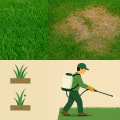
Turf management is a critical aspect of maintaining a vibrant and healthy lawn. It encompasses a variety of practices aimed at ensuring that grass thrives in its environment, which includes proper watering, fertilization, mowing, and pest control. Understanding the fundamentals of turf care is essential for homeowners and landscapers alike, as it directly impacts the overall health and appearance of the lawn. One of the most common challenges in turf management is achieving the right balance of moisture. Both overwatering and underwatering can lead to significant issues that compromise lawn health.
Overwatering can suffocate roots, promote disease, and create an environment conducive to pests, while underwatering can lead to drought stress, resulting in brown patches and weakened grass. Recognizing the signs of these conditions is vital for effective turf management. As we delve deeper into the signs of overwatering and underwatering, it becomes clear that understanding these indicators not only helps in maintaining aesthetic appeal but also contributes to the longevity of your turf. By mastering these aspects of lawn health, you can ensure that your grass remains lush and resilient throughout the seasons.
Signs of Overwatering in Turf
Recognizing the signs of overwatering in your turf is essential for effective turf management. When a lawn receives too much water, it can lead to various symptoms that not only affect its appearance but also its overall health.- Discoloration: One of the first signs of overwatering is a change in color.
Grass may appear dark green or even blue-green, indicating excessive moisture. In severe cases, the grass can turn yellow or brown, resembling drought stress.
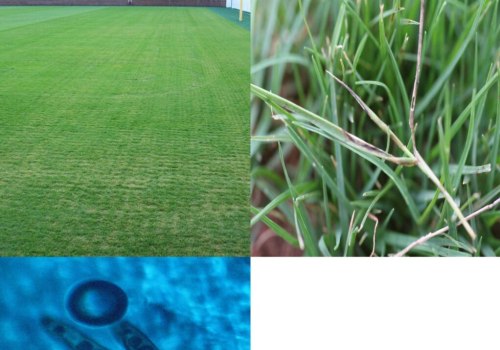
- Fungal Growth: Overly saturated soil creates a perfect environment for fungal diseases. You may notice patches of mold or mushrooms sprouting in your lawn, which can lead to more significant turf issues if not addressed promptly.
- Soggy Soil: If you find that your lawn feels spongy or squishy underfoot, this is a clear indication of soil saturation. Healthy turf should have well-draining soil that allows for proper air circulation.
- Pest Infestation: Overwatered lawns can attract pests such as grubs and other insects that thrive in moist conditions.
These pests can further damage your turf and lead to additional problems.
- Root Rot: Excessive moisture can suffocate grass roots, leading to root rot. This condition prevents the grass from absorbing nutrients and water effectively, resulting in weak and unhealthy turf.
Signs of Underwatering in Turf
Understanding the signs of underwatering in turf is crucial for effective turf management.When grass does not receive enough water, it exhibits several distinct symptoms that can lead to long-term damage if not addressed promptly.
- Wilting Grass: One of the first indicators of underwatering is wilting. Grass blades may appear limp and lose their natural upright posture, making the lawn look less vibrant.
- Brown Patches: Look for irregular brown patches scattered throughout your lawn. These areas are often dry and may feel crunchy underfoot, indicating that the grass is struggling to survive.
- Soil Cracking: In severe cases of underwatering, the soil may begin to crack. This not only affects the grass but can also hinder root development, making it difficult for the turf to absorb any available moisture.
- Root Damage: Insufficient watering can lead to shallow root systems.
Grass roots may become stunted and fail to penetrate deeply into the soil, which is essential for accessing nutrients and moisture.
- Color Changes: Healthy turf typically has a rich green color. If you notice a shift towards a dull or grayish hue, it could be a sign that your lawn is not receiving adequate hydration.
The Importance of Proper Watering Techniques
Effective turf management hinges on understanding the nuances of watering techniques.Proper watering not only promotes healthy grass growth but also prevents the detrimental effects of both overwatering and underwatering.
Frequency
is a critical factor in maintaining optimal turf health. Generally, lawns require about 1 to 1.5 inches of water per week, including rainfall. To determine how often to water, consider the season, grass type, and soil conditions. During hot summer months, you may need to increase watering frequency, while cooler months may require less.Timing
is equally important.The best time to water your lawn is early in the morning, ideally between 6 AM and 10 AM. This timing allows the grass to absorb moisture before the heat of the day causes evaporation. Watering in the evening can lead to prolonged moisture on the grass blades, increasing the risk of fungal diseases.When it comes to turf irrigation methods, there are several options available:
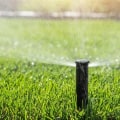
- Sprinkler Systems: These are ideal for larger areas and can be automated for convenience.
- Soaker Hoses: Perfect for garden beds or smaller lawns, they deliver water directly to the soil.
- Drip Irrigation: This method is highly efficient and conserves water by delivering it directly to the roots.
By paying attention to frequency, timing, and irrigation methods, you can cultivate a lush, healthy lawn that thrives throughout the seasons.
Common Myths About Watering Turf
When it comes to turf management, many homeowners fall prey to common myths about watering their lawns. Understanding these misconceptions is crucial for maintaining a healthy and vibrant lawn.Myth 1: More Water Equals a Healthier Lawn
One of the most prevalent myths is that the more you water your turf, the healthier it will be. In reality, overwatering can lead to shallow root systems and increased susceptibility to diseases. It's essential to find a balance; lawns typically need about 1 to 1.5 inches of water per week, depending on the climate and soil type.Myth 2: Watering at Night is Always Best
While watering at night can reduce evaporation, it can also create a damp environment that encourages fungal growth.The best time to water your turf is early in the morning when temperatures are cooler, allowing the grass to absorb moisture before the heat of the day.
Myth 3: Grass Will Recover Quickly from Drought
Another misconception is that grass can easily bounce back from drought conditions. While some grass types are more drought-resistant than others, prolonged periods without water can lead to permanent damage. Regular monitoring and appropriate watering practices are vital for turf health.Myth 4: All Grass Types Require the Same Amount of Water
Different grass species have varying water needs. For instance, cool-season grasses typically require more water during their active growth periods in spring and fall, while warm-season grasses thrive in summer.Understanding your specific grass type is key to effective lawn care.
Myth 5: Rainwater is Enough
Many homeowners believe that natural rainfall alone is sufficient for their lawns. However, rainfall can be inconsistent and may not provide adequate moisture during dry spells. Regularly checking soil moisture levels and supplementing with irrigation when necessary is crucial for maintaining healthy turf. By debunking these myths, homeowners can make informed decisions about their turf care practices, ensuring a lush and resilient lawn.FAQs About Turf Watering Issues
When it comes to turf management, understanding the signs of overwatering and underwatering is crucial for maintaining a healthy lawn. Here are some frequently asked questions that can help clarify these issues:What are the signs of overwatering in turf?
- Yellowing grass: If your grass is turning yellow, it may be a sign of too much water, which can lead to root rot.
- Soggy soil: Consistently wet soil can indicate overwatering.
If the ground feels spongy, it’s time to reassess your watering schedule.
- Fungal growth: Excess moisture creates an ideal environment for fungi. Look for patches of mold or mushrooms in your lawn.
- Wilting grass: Ironically, overwatered grass can also wilt due to lack of oxygen in the soil.
What are the signs of underwatering in turf?
- Browning tips: Grass blades that are brown at the tips often indicate insufficient water.
- Dry soil: If the soil is dry and crumbly, it’s a clear sign that your turf needs more water.
- Footprints remain: If footprints stay visible on your lawn after walking on it, this suggests that the grass is not receiving enough moisture.
- Thinning grass: A lawn that appears sparse or patchy may be suffering from underwatering.
Conclusion: Maintaining Healthy Turf Through Proper Water Management
In conclusion, effective turf management hinges on understanding the signs of both overwatering and underwatering. Recognizing these indicators is crucial for maintaining a vibrant and healthy lawn. When it comes to overwatering, look for:- Yellowing grass: This can indicate that the roots are suffocating due to excess water.
- Soggy soil: If the ground feels consistently wet, it may be a sign of overwatering.
- Fungal growth: The presence of mold or mushrooms can suggest that your turf is receiving too much moisture.
- Browning patches: Grass that is turning brown or crispy is often a clear indication of insufficient water.
- Wilting blades: Grass blades that appear limp or folded may be struggling due to lack of hydration.
- Footprints remaining visible: If footprints linger on the lawn after walking on it, this suggests that the turf is not receiving enough water.
Regularly monitoring your lawn for these signs will help you adjust your watering practices accordingly, ensuring that your turf remains lush and healthy throughout the growing season. Remember, proper water management not only enhances the aesthetic appeal of your lawn but also contributes to its overall resilience against pests and diseases.