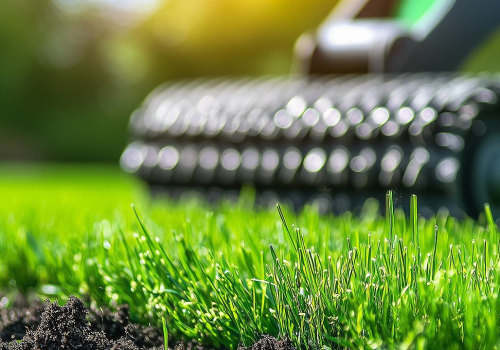
Topdressing is a vital practice in turf management that involves applying a thin layer of material over the surface of the lawn. This technique is not merely cosmetic; it serves multiple purposes that significantly enhance the health and appearance of turf. Typically, topdressing materials include a mix of compost, sand, and soil, which are chosen based on the specific needs of the grass type and the existing soil conditions. By understanding what topdressing is and how it functions, lawn care enthusiasts can make informed decisions that lead to lush, vibrant lawns.The primary purpose of topdressing is to improve soil structure and fertility.
As the topdressing material breaks down, it enriches the soil with organic matter, which in turn promotes microbial activity essential for nutrient cycling. This process helps to alleviate compaction, improve drainage, and enhance root development. Additionally, topdressing can help level uneven surfaces, providing a smoother playing field for sports or a more aesthetically pleasing lawn for residential areas.Incorporating topdressing into your lawn care routine can yield significant benefits. Regular applications can lead to healthier grass that is more resistant to pests and diseases.
Furthermore, it aids in moisture retention during dry spells, reducing the need for frequent watering. Overall, understanding the fundamentals of topdressing lays the groundwork for effective turf management strategies that promote long-term lawn health.
The Benefits of Topdressing for Turf Health
Topdressing is a vital practice in turf management that offers numerous benefits for maintaining and enhancing turf health. By applying a thin layer of organic or inorganic material to the surface of the soil, topdressing can significantly improve the overall condition of your lawn.Improved Soil Structure
One of the primary benefits of topdressing is the enhancement of soil structure. Over time, soil can become compacted, leading to poor aeration and root development.
Topdressing helps to alleviate this issue by:
- Incorporating organic matter that promotes microbial activity.
- Improving soil porosity, allowing for better air and water movement.
- Encouraging deeper root growth, which contributes to a healthier lawn.
Enhanced Nutrient Availability
Another significant advantage of topdressing is its ability to enhance nutrient availability. The materials used in topdressing often contain essential nutrients that can:
- Provide a slow-release source of nitrogen, phosphorus, and potassium.
- Improve the soil's cation exchange capacity (CEC), allowing it to hold onto nutrients more effectively.
- Support the growth of beneficial microorganisms that aid in nutrient cycling.
Better Moisture Retention
Topdressing also plays a crucial role in moisture retention. A well-chosen topdressing material can:
- Increase the soil's ability to retain water, reducing the need for frequent irrigation.
- Help prevent runoff during heavy rains, allowing more water to infiltrate the soil.
- Create a more consistent moisture level, which is essential for healthy turf growth.
How to Topdress Your Lawn Effectively
Topdressing your lawn is a crucial aspect of turf management that can significantly enhance its health and appearance.To achieve the best results, follow these practical steps and techniques.
Timing is Key
The ideal time to topdress your lawn is during the growing season, typically in late spring or early fall. This timing allows the grass to recover quickly and benefit from the nutrients in the topdressing material. Avoid topdressing during extreme heat or cold, as this can stress the grass.Selecting the Right Materials
Choosing the right topdressing material is essential for effective lawn care. Common options include:- Compost: Rich in nutrients, compost improves soil structure and promotes microbial activity.
- Sandy loam: Ideal for improving drainage and aeration, sandy loam is particularly beneficial for clay-heavy soils.
- Peat moss: Helps retain moisture and adds organic matter, making it a good choice for sandy soils.
Application Techniques
When applying topdressing, consider these techniques to ensure even distribution:- Mow your lawn: Start by mowing your grass slightly shorter than usual to allow better contact with the soil.
- Use a spreader: A broadcast spreader can help you apply the topdressing material evenly across your lawn.
- Rake it in: After spreading, use a rake to work the material into the grass and soil.
This helps with absorption and reduces the risk of smothering the grass.
Common Mistakes to Avoid When Topdressing
Topdressing can significantly enhance the health of your turf, but several common mistakes can undermine its effectiveness. Understanding these pitfalls is crucial for successful turf management.- Using the Wrong Material: One of the most frequent errors is selecting an inappropriate topdressing material. Not all soils are created equal; using a mix that doesn’t match your existing soil can lead to drainage issues and nutrient imbalances.
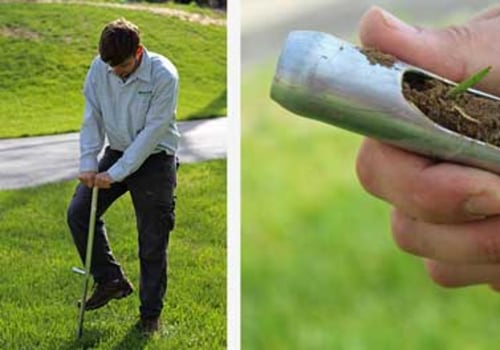
Always conduct a soil test to determine the best topdressing mix for your lawn.
- Applying Too Much: Over-application of topdressing can smother grass and lead to poor air circulation. A thin layer, typically 1/4 to 1/2 inch, is ideal. This allows for proper coverage without overwhelming the existing turf.
- Ignoring Timing: Timing is critical when it comes to topdressing. Applying it during extreme weather conditions, such as high heat or frost, can stress your turf.
The best times for topdressing are during the growing season when the grass can recover quickly.
- Neglecting Preparation: Failing to prepare your lawn before topdressing is another common mistake. Mowing the grass short and aerating the soil beforehand can improve the effectiveness of the topdressing by allowing better contact with the soil.
- Not Watering After Application: After topdressing, many people forget to water their lawns adequately. Watering helps settle the topdressing into the soil and ensures that nutrients are absorbed by the grass roots.
Topdressing vs.
Other Turf Management PracticesWhen it comes to turf management, understanding the differences between various practices is crucial for achieving optimal lawn health. Among these practices, topdressing, aeration, and overseeding each serve unique purposes and can be used in conjunction to enhance turf quality.
Topdressing vs. Aeration
Topdressing involves applying a thin layer of organic material, such as compost or soil, over the lawn. This practice improves soil structure, enhances nutrient availability, and promotes microbial activity.In contrast, aeration involves perforating the soil with holes to alleviate compaction and improve air exchange. While both practices aim to enhance soil health, they do so in different ways. Topdressing can be particularly beneficial after aeration, as it fills the holes created and provides a nutrient-rich environment for grass roots.
Topdressing vs. Overseeding
Overseeding is the process of sowing grass seed directly onto existing turf without tearing up the lawn.This technique is often used to introduce new grass varieties or to thicken thin areas. While overseeding can rejuvenate a lawn, it is most effective when combined with topdressing. The added layer of topdressing helps protect the seeds, retains moisture, and provides essential nutrients as they germinate.
Integrating Practices for Optimal Results
For effective lawn care, integrating these practices can yield superior results. For instance, performing aeration followed by topdressing creates an ideal environment for overseeding.This combination not only improves soil health but also enhances the overall resilience of the turf against pests and diseases.In summary, while topdressing, aeration, and overseeding each play distinct roles in turf management, their synergistic effects can lead to a healthier and more vibrant lawn. Understanding how these practices complement one another allows homeowners to make informed decisions about their lawn care strategies.
Frequently Asked Questions About Topdressing
Topdressing is a common practice in turf management, but many people have questions about its effectiveness and application. Here are some frequently asked questions that can help clarify your understanding of topdressing.- What is topdressing?
Topdressing involves applying a thin layer of soil or organic material over the surface of the turf. This process helps improve soil structure, enhances drainage, and promotes healthy grass growth. - When should I topdress my lawn?
The best time to topdress is during the growing season, typically in late spring or early summer.This allows the grass to recover quickly and benefit from the added nutrients.
- What materials are used for topdressing?
Common materials include compost, sand, and a mix of both. The choice depends on your specific turf needs and soil conditions. - How much topdressing should I apply?
A general guideline is to apply about ¼ to ½ inch of topdressing material. Applying too much can smother the grass, while too little may not provide significant benefits. - Can topdressing help with lawn diseases?
Yes, topdressing can help improve turf health by enhancing soil quality and promoting better drainage, which can reduce the risk of diseases. - Is topdressing suitable for all types of grass?
Most grass types benefit from topdressing, but it’s essential to consider the specific needs of your turf variety for optimal results.
Conclusion: The Importance of Topdressing in Turf Management
In conclusion, topdressing emerges as a vital practice in the realm of turf management, offering numerous benefits that contribute to the overall health and resilience of turf.By applying a thin layer of organic or inorganic material, turf managers can significantly enhance soil structure, improve nutrient availability, and promote better water retention.One of the key advantages of topdressing is its ability to improve soil aeration. This process allows for better root development and encourages microbial activity, which is essential for a thriving turf ecosystem. Additionally, topdressing can help to level uneven surfaces, creating a more aesthetically pleasing lawn while also reducing the risk of water pooling.
- Nutrient Enhancement: Regular topdressing replenishes essential nutrients, ensuring that grass receives the necessary elements for growth.
- Disease Resistance: A well-maintained turf through topdressing is less susceptible to diseases, as healthy soil promotes robust grass.
- Weed Suppression: By creating a thicker turf layer, topdressing can help choke out weeds, reducing competition for resources.
This tailored approach not only enhances the effectiveness of the treatment but also aligns with sustainable turf management practices.Ultimately, incorporating topdressing into regular maintenance routines is not just an option; it is a necessity for anyone serious about achieving and maintaining healthy turf. As we have explored, the advantages are clear: improved soil health leads to vibrant, resilient grass that can withstand environmental stresses. Therefore, embracing topdressing is a step towards achieving excellence in turf management.