Turf management is a critical practice that encompasses the care and maintenance of grassed areas, ensuring they remain healthy and vibrant throughout the year. This discipline is particularly vital during extreme weather conditions, which can pose significant challenges to maintaining healthy turf. Understanding the principles of turf management not only helps in preserving the aesthetic appeal of lawns and landscapes but also contributes to environmental sustainability and biodiversity. The importance of turf management cannot be overstated, especially when faced with the stresses of drought, heavy rainfall, or extreme temperatures. Proper management techniques can mitigate the adverse effects of these conditions, promoting resilience in grass species and enhancing their ability to recover from stress.
By implementing best practices such as appropriate watering schedules, soil aeration, and nutrient management, turf managers can create a robust foundation for healthy grass that thrives even in challenging climates. Moreover, effective turf management plays a crucial role in preventing soil erosion, reducing runoff, and improving air quality. Healthy turf acts as a natural filter, capturing pollutants and providing a habitat for various wildlife species. As we delve deeper into the best practices for maintaining healthy turf during extreme weather conditions, it becomes clear that a proactive approach to turf management is essential for achieving long-term success in landscape health and sustainability.
Impact of Extreme Weather on Turf Health
Extreme weather conditions can significantly impact turf health, leading to various stress factors that require careful turf management. Understanding how these conditions affect grass is essential for maintaining a lush and resilient lawn.Drought Conditions:
During periods of drought, turfgrass can suffer from water scarcity, leading to dehydration and eventual browning.
The roots may become shallow as they search for moisture, making the grass more susceptible to disease and pests. To combat this, it is crucial to implement deep watering practices early in the morning, allowing the grass to absorb moisture before the heat of the day.
Heavy Rainfall:
Conversely, excessive rainfall can lead to waterlogged soil, which suffocates roots and promotes fungal diseases. Turf that remains saturated for extended periods may develop root rot, resulting in patchy areas and weakened grass. To mitigate these effects, ensure proper drainage systems are in place and consider aerating the soil to improve water infiltration.
Extreme Temperatures:
Both high and low temperatures can stress turfgrass.
In hot weather, turf may experience heat stress, leading to wilting and increased vulnerability to pests. Conversely, cold temperatures can cause frost damage or winter kill. To protect against heat stress, consider using shade cloths or applying mulch around the base of grass. For cold protection, overseeding with winter-resistant varieties can help maintain turf health.In summary, recognizing the effects of extreme weather on turf health is vital for effective turf management.
By adapting care strategies based on weather conditions—such as adjusting watering schedules and improving soil drainage—turf managers can enhance resilience and maintain vibrant grass throughout the year.
Best Practices for Turf Management During Drought Conditions
Maintaining healthy turf during drought conditions requires a strategic approach to turf management. Here are some best practices to ensure your lawn remains vibrant and resilient even in the face of water scarcity.Watering Techniques
Effective watering is crucial for drought management. Consider the following techniques:- Deep Watering: Water your turf deeply but infrequently. This encourages roots to grow deeper into the soil, making them more resilient to drought.
- Early Morning Watering: Watering early in the morning minimizes evaporation and allows grass to absorb moisture before the heat of the day.
- Use of Soaker Hoses: Soaker hoses can deliver water directly to the soil, reducing waste and ensuring that moisture penetrates deeply.
Selecting Drought-Resistant Grass Types
Choosing the right grass type is essential for sustainable drought turf management.Some grass varieties are naturally more drought-resistant:
- Bermudagrass: Known for its heat tolerance, Bermudagrass thrives in sunny areas and requires less water once established.
- Zoysiagrass: This grass type is drought-tolerant and can withstand heat, making it ideal for warmer climates.
- Buffalograss: A native grass that requires minimal irrigation, Buffalograss is perfect for low-maintenance lawns.
Soil Management Practices
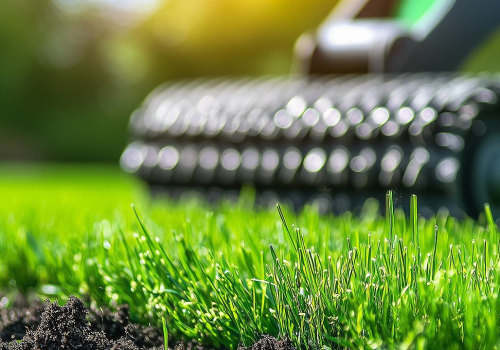
The health of your turf also depends on soil quality. Implement these soil management practices:- Aeration: Aerating your lawn helps improve water infiltration and root growth, allowing your turf to better withstand dry spells.
- Organic Matter Addition: Incorporating organic matter into your soil enhances its ability to retain moisture, providing a buffer during drought conditions.
- Mulching: Applying a layer of mulch around your lawn can help retain soil moisture and reduce evaporation.
Managing Turf During Heavy Rainfall and Flooding
Heavy rainfall and flooding can pose significant challenges for turf management, affecting the health and appearance of your grass. Implementing effective strategies to manage turf during these conditions is crucial for maintaining a lush, green lawn.Understanding the Effects of Heavy Rain on Grass
Excessive rainfall can lead to waterlogged soil, which suffocates grass roots and promotes fungal diseases. Additionally, the force of heavy rain can wash away topsoil and nutrients, leading to uneven turf growth.Recognizing these effects is the first step in developing a robust management plan.
Implementing Drainage Solutions
One of the most effective ways to combat flooding is through proper drainage solutions. Here are some options to consider:- French Drains: These trenches filled with gravel or rock help redirect excess water away from your turf.
- Swales: Shallow, vegetated channels that allow water to flow away from high-traffic areas.
- Permeable Pavers: Installing permeable surfaces can help absorb rainwater and reduce runoff.
Soil Aeration Techniques
Aerating your soil can significantly improve drainage and root health. By creating small holes in the soil, you allow air, water, and nutrients to penetrate deeper, promoting healthier grass growth. Consider aerating your turf before heavy rainfall is expected to enhance its resilience.Recovery Techniques Post-Flood
After flooding occurs, it’s essential to take steps to restore your turf:- Assess Damage: Evaluate the extent of water damage and identify areas that may need reseeding.
- Remove Debris: Clear away any debris or sediment that may have settled on your lawn.
- Reseed and Fertilize: Apply a suitable grass seed mix and a balanced fertilizer to encourage regrowth.
- Monitor Soil Moisture: Keep an eye on soil moisture levels to prevent over-saturation as recovery progresses.
Protecting Turf from Extreme Heat and Sun Exposure
Extreme heat and sun exposure can lead to heat stress in turf, causing significant damage to your lawn if not managed properly.Implementing effective turf management practices is essential to protect your grass during these challenging conditions.
Shading Techniques
One of the most effective ways to shield your turf from harsh sunlight is by utilizing shading techniques. Consider planting trees or installing shade structures in areas where your lawn receives the most sun. Additionally, using shade cloth can provide temporary relief during peak sun hours, helping to reduce soil temperature and moisture loss.Proper Mowing Heights
Mowing your grass at the correct height is crucial for maintaining its health during extreme heat. Taller grass blades provide more shade to the soil, reducing evaporation and keeping roots cooler.Aim to keep your lawn at a height of 3 to 4 inches, depending on the grass type. This practice not only helps with sun protection for grass but also encourages deeper root growth.
Irrigation Adjustments
Adjusting your irrigation schedule is vital when dealing with high temperatures. Watering early in the morning or late in the evening minimizes evaporation and allows moisture to penetrate deeper into the soil. During periods of extreme heat, consider increasing the frequency of watering while reducing the amount per session to encourage deep root development.A general rule is to provide about 1 to 1.5 inches of water per week, adjusting based on rainfall and temperature.
Cooling Techniques for Lawns
In addition to proper watering, employing cooling techniques can further protect your turf. Aerating your lawn allows for better air circulation and water penetration, which can help cool the soil. Applying a light layer of mulch around garden beds can also help retain moisture and regulate soil temperature.By implementing these best practices, you can effectively safeguard your turf from extreme heat and sun exposure, ensuring a lush and healthy lawn throughout the summer months.Winter Turf Management: Preparing for Cold Weather Challenges
As winter approaches, turf management becomes crucial to ensure the health and resilience of your lawn against cold weather challenges. Proper preparation can significantly reduce the risk of damage from frost and diseases like snow mold.1.Fertilization:
Before the ground freezes, apply a slow-release fertilizer high in potassium.
This nutrient helps strengthen grass roots and enhances cold tolerance. Aim for a late fall application to provide your turf with the necessary nutrients to survive the winter months.
2.Mowing:
Continue to mow your lawn until the grass stops growing. Keep the mower blades set at a higher level, around 2.5 to 3 inches, to promote healthy root development and reduce stress on the grass during cold spells.
3.Aeration:
Aerating your lawn in the fall can improve water infiltration and root growth. This practice alleviates soil compaction, allowing for better nutrient absorption and reducing the likelihood of snow mold.
4.Watering:
Ensure your turf is adequately hydrated before winter sets in.
A well-hydrated lawn is more resilient to freezing temperatures. However, avoid overwatering, as this can lead to ice formation on the grass, increasing the risk of disease.
5.Snow Mold Prevention:
To prevent snow mold, clear any debris such as leaves or branches from your lawn before snowfall. These materials can trap moisture and create an environment conducive to mold growth. Additionally, consider using a fungicide as a preventive measure if your area is prone to this issue.
6.Avoid Foot Traffic:
Limit foot traffic on your lawn during winter months, especially when it’s covered with snow or frost.
Walking on frozen grass can damage the blades and hinder recovery in spring.By implementing these winter turf care practices, you can effectively manage your lawn through extreme weather conditions, ensuring it emerges healthy and vibrant come springtime.
Utilizing Technology in Turf Management During Extreme Weather
In the realm of turf management, leveraging technology can significantly enhance the resilience and health of your lawn during extreme weather conditions. By integrating advanced tools and systems, turf managers can make informed decisions that promote optimal growth and sustainability.Smart Irrigation Systems
One of the most impactful technologies in turf management is the implementation of smart irrigation systems. These systems utilize sensors and weather data to adjust watering schedules based on real-time conditions. For instance:- Soil moisture sensors can detect when the ground is adequately hydrated, preventing overwatering and conserving water resources.
- Weather-based controllers automatically modify irrigation based on rainfall forecasts, ensuring that your turf receives just the right amount of water.
- Drip irrigation systems deliver water directly to the roots, minimizing evaporation and runoff, which is especially beneficial during hot, dry spells.
Weather Monitoring Tools
In addition to smart irrigation, utilizing weather monitoring tools can provide valuable insights into environmental conditions that affect turf health.These tools can include:
- Local weather stations that provide hyper-local forecasts, allowing turf managers to anticipate changes in temperature, humidity, and precipitation.
- Mobile apps that offer real-time alerts for extreme weather events, enabling proactive measures to protect your lawn.
- Drones equipped with imaging technology can assess turf health from above, identifying areas that may require additional care or intervention.
FAQs About Turf Management in Extreme Weather Conditions
When it comes to turf management during extreme weather conditions, many homeowners have questions about how to best care for their lawns. Here are some frequently asked questions that can help clarify common concerns:What should I do to prepare my lawn for extreme heat?
During periods of extreme heat, it’s crucial to adjust your watering schedule. Water your lawn deeply but less frequently, ideally in the early morning to minimize evaporation.Additionally, consider applying a layer of mulch around your grass to retain moisture and reduce soil temperature.
How can I protect my turf from heavy rainfall?
Heavy rainfall can lead to waterlogged soil, which is detrimental to grass health. To manage this, ensure proper drainage in your yard. Aerating the soil before heavy rains can help improve drainage and reduce compaction. If flooding occurs, avoid walking on the grass until it dries out to prevent further damage.What are the signs of stress in my lawn during extreme weather?
- Browning: Grass may turn brown or yellow due to lack of water or excessive heat.
- Wilting: Grass blades may appear limp and lose their upright posture.
- Soil Compaction: Heavy rains can compact the soil, making it difficult for roots to access nutrients.
Are there specific fertilizers I should use during extreme weather?
Yes, using a slow-release fertilizer can be beneficial during extreme weather conditions.This type of fertilizer provides a steady supply of nutrients without overwhelming the grass, which is especially important when the turf is under stress.
How often should I mow my lawn in extreme conditions?
In extreme heat, it’s advisable to raise your mower blade height. This allows the grass to retain moisture and encourages deeper root growth. Mow less frequently during these times to avoid stressing the grass further.By addressing these common questions and implementing effective turf management practices, you can help ensure your lawn remains healthy even in challenging weather conditions.Conclusion: Key Takeaways for Healthy Turf Management
In summary, maintaining healthy turf during extreme weather conditions requires a proactive and informed approach to turf management. By implementing the best practices discussed, turf managers can significantly enhance the resilience of their grass and ensure its longevity.- Soil Health: Regular soil testing and amendments are crucial.
Healthy soil promotes strong root systems, which are essential for surviving droughts and heavy rains.
- Water Management: Efficient irrigation practices, such as deep watering and using smart irrigation systems, help conserve water while ensuring that turf receives adequate moisture during dry spells.
- Mowing Practices: Maintaining the correct mowing height can protect grass from heat stress. Taller grass blades provide shade to the roots and retain moisture better.
- Fertilization: Applying the right type and amount of fertilizer at appropriate times boosts turf health. During extreme weather, slow-release fertilizers can provide a steady nutrient supply without overwhelming the grass.
- Pest and Disease Control: Monitoring for pests and diseases is vital, especially when stressors from weather conditions weaken turf. Integrated pest management strategies can mitigate these risks effectively.
Remember, proactive turf management is not just about reacting to problems; it’s about anticipating them and preparing your turf to thrive in any condition.