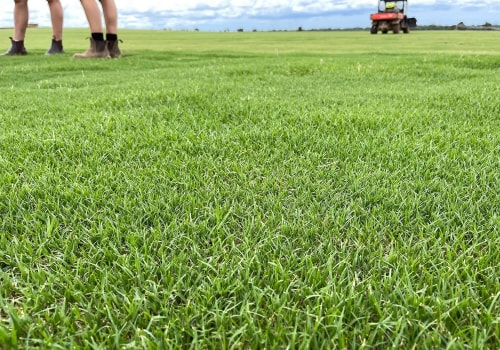
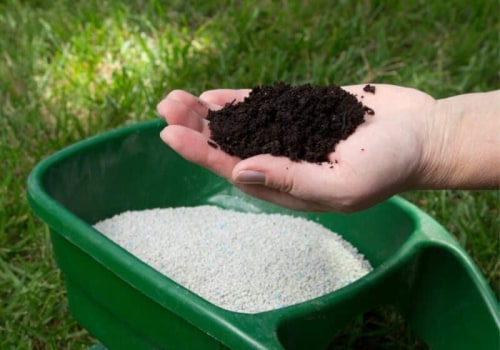
Understanding turf management is essential for anyone looking to cultivate a healthy and vibrant lawn. The process involves more than just selecting a grass type; it encompasses a comprehensive approach to maintaining the health and aesthetics of your outdoor space. By grasping the fundamentals of turf management, homeowners and landscapers alike can make informed decisions that lead to successful lawn care. Choosing the right type of grass for a specific area or climate is a critical aspect of turf management. Different grass species thrive under varying environmental conditions, such as temperature, humidity, and soil type.
For instance, cool-season grasses like Kentucky bluegrass flourish in northern climates, while warm-season varieties such as Bermuda grass are better suited for southern regions. Understanding these distinctions not only enhances the visual appeal of your lawn but also ensures its resilience against pests and diseases. Moreover, effective turf management involves ongoing care practices, including proper watering, fertilization, and mowing techniques. These practices are tailored to the specific grass type you choose, making it imperative to align your selection with your local climate and soil conditions. By prioritizing turf management principles from the outset, you set the foundation for a lush, green lawn that can withstand the test of time.
Factors to Consider When Choosing Grass Types
Choosing the right type of grass for your lawn is a critical aspect of turf management.Several factors come into play when making this decision, including climate, soil type, sun exposure, and the intended use of the lawn.
Climate Considerations
The climate in your region significantly impacts grass selection. Different grass types thrive in varying temperature ranges and moisture levels. For instance, cool-season grasses, such as Kentucky bluegrass and fescue, are ideal for northern climates where temperatures are cooler. Conversely, warm-season grasses, like Bermuda and zoysia, flourish in southern regions with hotter temperatures.Understanding your local climate will help you choose a grass type that can withstand seasonal changes and environmental stressors.
Soil Type
The type of soil in your yard also plays a crucial role in grass selection. Soil can be classified into three main types: sandy, clay, and loamy. Each type has different drainage capabilities and nutrient retention:- Sandy soil drains quickly but may require more frequent watering and fertilization.
- Clay soil retains moisture but can become compacted, making it difficult for grass roots to grow.
- Loamy soil is a balanced mixture that provides good drainage and nutrient retention, making it ideal for most grass types.
Sun Exposure
The amount of sunlight your lawn receives daily is another essential factor. Some grasses require full sun to thrive, while others can tolerate shade.For example:
Intended Use
Finally, consider how you plan to use your lawn. If it will be a high-traffic area for children or pets, opt for durable grasses like tall fescue or Bermuda that can withstand wear and tear. For ornamental purposes or low-traffic areas, finer-textured grasses may be more suitable. Understanding the intended use will ensure that you choose a grass type that meets both aesthetic and functional needs.Types of Grass for Different Climates
Choosing the right type of grass for your lawn or landscape is crucial for effective turf management.The climate in your region plays a significant role in determining which grass varieties will thrive. Generally, grasses are categorized into two main types: cool-season grasses and warm-season grasses.
Cool-Season Grasses
Cool-season grasses are best suited for regions with cold winters and moderate summers. They grow actively during the cooler months, typically from early spring to late fall. Some popular varieties include:- Kentucky Bluegrass: Known for its lush appearance and rich color, it requires well-drained soil and regular watering.
- Perennial Ryegrass: This grass germinates quickly and establishes rapidly, making it ideal for quick patches and overseeding.
- Tall Fescue: With deep roots, tall fescue is drought-resistant and adapts well to varying soil types.
Warm-Season Grasses
In contrast, warm-season grasses thrive in areas with hot summers and mild winters.They grow best during the warm months, from late spring to early fall. Notable examples include:
- Bermudagrass: A popular choice for sunny areas, it is durable and recovers quickly from wear.
- Zoysiagrass: This grass type is heat-tolerant and grows well in a variety of soil conditions, making it versatile.
- Buffalograss: Ideal for low-maintenance lawns, it is drought-resistant and thrives in dry climates.
Assessing Soil Quality and Preparation
To achieve a lush and healthy lawn, assessing soil quality is a crucial first step in effective turf management. The health of your soil directly influences the growth and sustainability of your grass.Here’s how to evaluate and prepare your soil for optimal results.
Soil Testing for Grass
- Start with a comprehensive soil test. This will provide insights into pH levels, nutrient content, and organic matter.
- Collect samples from various areas of your lawn to get an accurate representation of your soil's condition.
- Send the samples to a local extension service or a professional lab for analysis.
Soil Preparation Tips
- Till the soil to a depth of at least 4-6 inches to aerate it and break up compacted layers.
- Add organic matter such as compost or well-rotted manure to improve soil structure and nutrient availability.
- If drainage is an issue, consider incorporating sand or installing drainage systems to prevent waterlogging.
Improving Soil Quality
- Regularly amend your soil with organic materials to enhance its fertility and microbial activity.
- Avoid using chemical fertilizers excessively, as they can degrade soil health over time.
- Implement crop rotation or cover cropping in off-seasons to maintain nutrient levels and prevent erosion.
Remember, healthy soil leads to healthy grass, making it a vital component of successful turf management.
Maintenance Requirements for Different Grass Types
When selecting the right type of grass for your lawn, understanding the maintenance requirements of different grass types is crucial. Each variety has unique needs that can significantly impact your lawn care routine.Mowing Frequency
The frequency of mowing varies depending on the grass type:- Cool-season grasses, such as Kentucky bluegrass and fescue, typically require mowing every 5 to 7 days during their peak growth periods in spring and fall.
- Warm-season grasses, like Bermuda and zoysia, grow most vigorously in the summer and may need mowing every 7 to 10 days.
Watering Requirements
Watering is another critical aspect of turf management. Different grass types have varying water needs:- Cool-season grasses generally require about 1 to 1.5 inches of water per week, especially during dry spells.
- Warm-season grasses are more drought-tolerant and may thrive on as little as 0.5 to 1 inch of water weekly.
Fertilization Needs
The fertilization schedule also varies:- Cool-season grasses benefit from fertilization in early spring and fall, using a nitrogen-rich fertilizer to promote lush growth.
- Warm-season grasses should be fertilized in late spring and summer, focusing on balanced fertilizers that support their active growth phase.
Common Mistakes in Grass Selection and Management
Choosing the right type of grass for your lawn is crucial, but many homeowners make common mistakes that can lead to poor results. Understanding these pitfalls can help you avoid costly errors in turf management and ensure a healthier lawn.- Ignoring Local Climate: One of the biggest mistakes is selecting grass types that are not suited for your local climate.
For instance, cool-season grasses thrive in northern regions, while warm-season varieties are better for southern areas. Always consider your climate zone before making a selection.
- Overlooking Soil Quality: Many people fail to test their soil before planting grass. Soil pH and nutrient levels significantly affect grass growth. Conducting a soil test can help you choose the right grass type and amend the soil accordingly.
- Neglecting Sunlight Requirements: Different grass species have varying sunlight needs.
Some require full sun, while others can tolerate shade. Planting a sun-loving grass in a shaded area will lead to poor growth and increased maintenance.
- Improper Watering Practices: Overwatering or underwatering is a common error in lawn care. Understanding the water needs of your chosen grass type is essential for maintaining its health. A well-established lawn typically requires about 1 inch of water per week.
- Failure to Consider Foot Traffic: If your lawn will experience heavy foot traffic, selecting a durable grass type is vital.
Failing to account for this can result in bare patches and increased maintenance efforts.
FAQs About Choosing the Right Grass Type
When it comes to turf management, selecting the right type of grass can be a daunting task. Here are some frequently asked questions that can help guide your decision-making process.What factors should I consider when choosing grass?
- Climate: Different grass types thrive in various climates. For instance, cool-season grasses like Kentucky bluegrass are ideal for northern regions, while warm-season grasses such as Bermuda grass are better suited for southern areas.
- Sunlight: Assess how much sunlight your lawn receives.
Some grasses require full sun, while others can tolerate shade.
- Soil Type: Understanding your soil's pH and texture can influence grass selection. Sandy soils may drain quickly, while clay soils retain moisture.
How do I know if my lawn is suitable for a specific grass type?
Conducting a soil test can provide valuable insights into your lawn's suitability for different grass types. Additionally, consider the existing conditions such as drainage and exposure to elements.Can I mix different types of grass?
Yes, mixing grass types can be beneficial, especially if you want to create a resilient lawn that can withstand varying conditions. However, ensure that the grasses you choose have similar maintenance needs.What maintenance do different grass types require?
- Watering: Warm-season grasses typically require less water than cool-season varieties.
- Mowing: Different grasses have varying growth rates, which will affect how often you need to mow.
- Pest Management: Some grass types are more susceptible to pests and diseases, necessitating different management strategies.
Conclusion: Making an Informed Decision on Grass Selection
In conclusion, selecting the right type of grass for your specific area or climate is a critical aspect of turf management that can significantly impact the health and appearance of your lawn.Throughout this article, we have explored various factors that influence grass selection, including climate conditions, soil type, and intended use.When making your decision, consider the following key points:
- Climate Compatibility: Different grass types thrive in varying climates. For instance, cool-season grasses like Kentucky bluegrass are ideal for northern regions, while warm-season grasses such as Bermuda are better suited for southern areas.
- Soil Conditions: Conducting a soil test can provide valuable insights into pH levels and nutrient content, helping you choose a grass type that will flourish in your specific soil conditions.
- Maintenance Requirements: Some grass varieties require more maintenance than others. If you prefer a low-maintenance lawn, consider options like fescue or zoysia that are more drought-resistant and require less frequent mowing.
- Usage Considerations: Think about how you plan to use your lawn. High-traffic areas may benefit from durable grass types that can withstand wear and tear, while ornamental lawns may prioritize aesthetics over durability.
By understanding the specific needs of your environment and the characteristics of different grass types, you can create a lush, healthy lawn that enhances your outdoor space. Remember, the right choice not only contributes to the beauty of your landscape but also promotes sustainable turf management practices that benefit both you and the environment.