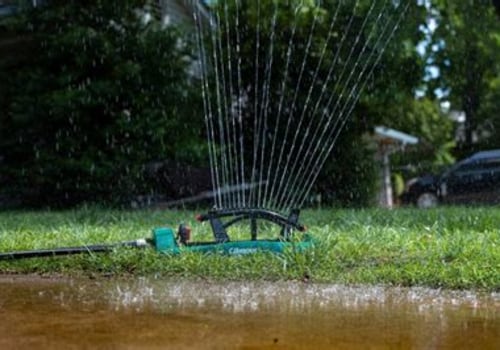
Turf management is a critical aspect of maintaining vibrant and healthy lawns, parks, and sports fields. It encompasses a variety of practices aimed at promoting the growth of grass while simultaneously controlling unwanted plants, commonly known as weeds. Understanding the principles of turf management is essential for anyone looking to achieve a lush, green landscape that not only enhances aesthetic appeal but also supports environmental health. The importance of turf management cannot be overstated. A well-managed turf area provides numerous benefits, including improved air quality, reduced soil erosion, and enhanced biodiversity.
Moreover, healthy turf can withstand pests and diseases more effectively, reducing the need for chemical interventions. This holistic approach to lawn care emphasizes the balance between nurturing desirable grass species and implementing effective weed control strategies. Weeds can quickly overtake a lawn if left unchecked, competing with grass for nutrients, water, and sunlight. Therefore, understanding how to manage turf effectively includes recognizing the types of weeds that may invade your landscape and employing appropriate control methods. By prioritizing weed control in turf, you not only protect your investment in landscaping but also contribute to the overall health of your outdoor environment.
Identifying Common Weeds in Turf
Effective turf management begins with the ability to identify common weeds that can disrupt the health and appearance of your lawn.Understanding the types of weeds present in your turf is essential for implementing successful control strategies. Weeds can be broadly categorized into two main types: annuals and perennials .
- Annual Weeds: These weeds complete their life cycle within one growing season. Common examples include:
- Crabgrass: A fast-growing weed that thrives in warm weather, often appearing in bare or thin areas of turf.
- Dandelion: Recognizable by its bright yellow flowers, this weed can quickly spread its seeds across your lawn.
- Perennial Weeds: These weeds live for multiple years and can be more challenging to control. Notable examples include:
- Bindweed: A vine-like weed that can choke out desirable plants, often found in garden beds and lawns.
- Clover: While some may appreciate its presence, clover can compete with grass for nutrients and water.
For instance, dandelions have broad leaves that form a rosette close to the ground, while crabgrass has a more sprawling growth pattern. Utilizing resources like local extension services or online databases can aid in accurate identification. By recognizing the specific types of weeds in your turf, you can tailor your weed control methods effectively, ensuring a healthier and more vibrant lawn.
Cultural Practices for Weed Control
Effective turf management relies heavily on implementing sound cultural practices that not only promote healthy grass growth but also suppress weed development. By focusing on proper mowing, watering, and fertilization, you can create an environment that is less conducive to weed proliferation.Proper Mowing Techniques
Mowing your lawn at the correct height is crucial for maintaining turf health. Cutting grass too short can stress the plants and allow sunlight to reach weed seeds, promoting their growth.Aim to keep your grass at a height of 2.5 to 4 inches, depending on the species. This height shades the soil, reducing the chances of weed germination.
Watering Wisely
Watering practices also play a significant role in lawn care. Overwatering can lead to shallow root systems and create a moist environment ideal for weeds. Instead, water deeply but infrequently, allowing the soil to dry out between watering sessions.This encourages deeper root growth in your turf while making it harder for weeds to establish themselves.
Fertilization Strategies
Applying the right type and amount of fertilizer is essential for turf maintenance. A well-fertilized lawn grows thick and lush, which can outcompete weeds for nutrients and sunlight. Conduct a soil test to determine the specific nutrient needs of your lawn and apply fertilizers accordingly. Avoid over-fertilizing, as this can lead to excessive growth that may attract pests and diseases.Additional Cultural Practices
- Mulching: Use organic mulch in garden beds to suppress weeds while retaining moisture.
- Overseeding: Regularly overseed your lawn to fill in bare spots and thicken turf density.
- Crop Rotation: If applicable, rotate different types of grasses or plants in your landscape to disrupt weed cycles.
Chemical Control Methods for Weeds
Controlling weeds in turf is essential for maintaining a healthy lawn, and chemical control methods can be highly effective when used correctly.Various types of herbicides are available, each designed to target specific weed species while minimizing harm to desirable grass types.
Types of Herbicides:
- Pre-emergent herbicides: These are applied before weed seeds germinate, creating a barrier that prevents their growth. They are particularly effective against annual weeds.
- Post-emergent herbicides: These are used after weeds have emerged. They can be selective, targeting specific weed types without harming the turf, or non-selective, killing all vegetation they contact.
- Systemic herbicides: These are absorbed by the plant and move throughout its system, effectively killing the entire weed. They are often used for perennial weeds.
- Identify the weeds: Knowing which weeds you are dealing with will help you choose the most effective herbicide.
- Read labels carefully: Always follow the manufacturer's instructions regarding application rates and timing to ensure effectiveness and safety.
- Consider environmental impact: Opt for herbicides that are less harmful to non-target plants and wildlife.
Look for products labeled as environmentally friendly or organic when possible.
Safe Herbicide Use:
To protect both your lawn and the surrounding environment, practice safe herbicide use:
- Apply during calm weather to prevent drift onto non-target areas.
- Wear protective gear such as gloves and masks during application.
- Avoid applying before heavy rain to reduce runoff into water sources.
Integrated Weed Management Strategies
Effective weed control in turf management requires a comprehensive approach that integrates various strategies. This method, known as integrated weed management (IWM), combines cultural, mechanical, and chemical practices to create a more resilient turf environment.Cultural Practices
- Proper Mowing: Maintaining the correct mowing height can significantly reduce weed establishment. Taller grass shades the soil, making it harder for weeds to germinate.
- Fertilization: A well-nourished lawn is better equipped to outcompete weeds. Regular soil testing and appropriate fertilization can enhance turf health.
- Irrigation Management: Watering deeply but infrequently encourages deep root growth in turfgrass, making it more competitive against weeds.
Mechanical Methods
- Hand Pulling: For small infestations, hand pulling can be effective.
Ensure that the entire root is removed to prevent regrowth.
- Mulching: Applying mulch in garden beds adjacent to turf can suppress weed growth and retain soil moisture.
Chemical Control
- Selective Herbicides: These products target specific weed species without harming desirable turfgrass. Timing and application rates are crucial for effectiveness.
- Pre-emergent Herbicides: Applying these before weed seeds germinate can prevent many annual weeds from establishing in the first place.
Preventative Measures to Reduce Weed Growth
To effectively manage your turf and minimize weed growth, implementing preventative measures is essential.By focusing on proactive turf management, you can create an environment that discourages weeds from taking root. Here are some key lawn prevention tips to consider:
- Maintain Healthy Grass: A dense and healthy lawn is your first line of defense against weeds. Regularly fertilize your turf with the appropriate nutrients to promote strong grass growth.
- Proper Mowing Techniques: Mow your lawn at the correct height for your grass type. Cutting too short can stress the grass and allow weeds to thrive. Aim to keep your grass at a height that encourages growth while shading the soil.
- Water Wisely: Deep, infrequent watering encourages deep root growth in grass, making it more competitive against weeds.
Water early in the morning to reduce evaporation and fungal diseases.
- Soil Health: Test your soil to understand its pH and nutrient levels. Amend the soil as needed to create optimal conditions for grass growth, which can help suppress weed populations.
- Overseeding: Consider overseeding your lawn in the fall or spring. This practice helps fill in bare spots and thickens the turf, making it harder for weeds to establish themselves.
FAQs About Weed Control in Turf Management
When it comes to turf management, understanding how to effectively control weeds is crucial for maintaining a healthy lawn.Here are some frequently asked questions that can help clarify common concerns regarding weed control.
What are the most common weeds found in turf?
Common weeds in turf include:- Dandelions - Recognizable by their bright yellow flowers and fluffy seed heads.
- Clover - Often found in patches, clover can be beneficial but may compete with grass.
- Crabgrass - A summer annual that thrives in warm weather and can quickly take over.
- Thistle - Known for its prickly leaves and purple flowers, thistle can be quite invasive.
How can I prevent weeds from growing in my turf?
Preventing weeds is often more effective than controlling them once they appear. Here are some tips:- Maintain healthy soil: Regularly test your soil and amend it as needed to ensure optimal nutrient levels.
- Mow regularly: Keeping your grass at the right height (typically 2.5 to 4 inches) helps shade out weed seeds.
- Water wisely: Deep, infrequent watering encourages strong root systems while discouraging shallow-rooted weeds.
- Use mulch: Applying mulch around garden beds can suppress weed growth and retain moisture.
What are the best methods for controlling existing weeds?
If you already have a weed problem, consider these control methods:- Cultural practices: Adjusting mowing height, watering schedules, and fertilization can help your turf outcompete weeds.
- Hand pulling: For small infestations, manually removing weeds can be effective, especially before they seed.
- Chemical herbicides: Use selective herbicides that target specific weeds without harming your grass. Always follow label instructions for safe application.
Conclusion: Key Takeaways for Effective Weed Control in Turf Management
In summary, effective weed control is a critical component of successful turf management. By implementing a combination of cultural, mechanical, and chemical strategies, turf managers can significantly reduce weed populations and promote healthy grass growth.Key takeaways include:- Regular Monitoring: Consistent observation of your turf allows for early detection of weed issues, enabling timely intervention.
- Proper Mowing: Maintaining the correct mowing height not only encourages grass health but also discourages weed establishment by limiting their access to sunlight.
- Soil Health: Investing in soil testing and amendments can improve turf resilience, making it less susceptible to weed invasion.
- Integrated Pest Management (IPM): Utilizing a holistic approach that combines various control methods ensures a more sustainable and effective weed management strategy.
- Selective Herbicides: When necessary, applying targeted herbicides can help control specific weed species without harming desirable turf grasses.
Remember, the goal is not just to eliminate weeds but to foster a robust turf ecosystem that can withstand challenges over time.