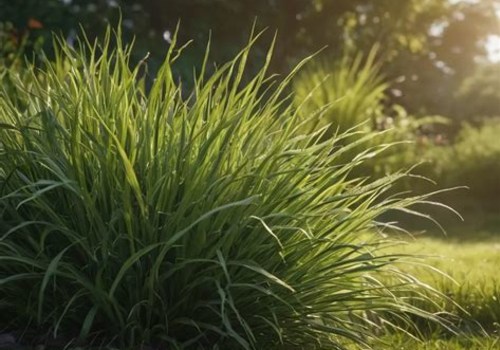
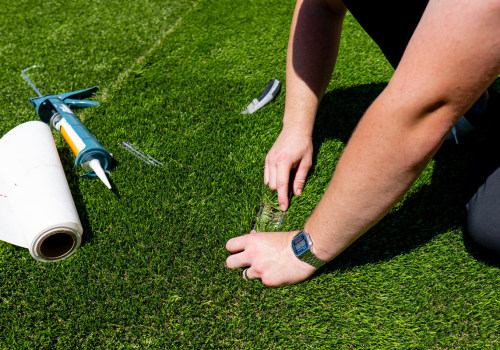
Overseeding is a vital practice in turf management that involves spreading grass seed over an existing lawn without tearing up the turf. This technique is primarily used to enhance the density of the grass, improve its overall health, and fill in bare or thin patches. By introducing new seed varieties, overseeding can also help in adapting the lawn to changing environmental conditions, such as drought or disease resistance. The purpose of overseeding extends beyond mere aesthetics; it plays a crucial role in maintaining a robust lawn ecosystem. As grass ages, it can become susceptible to pests and diseases, leading to thinning and bare spots.
Overseeding helps rejuvenate the lawn by introducing fresh genetic material that can outcompete weeds and resist local pests. Additionally, it can improve the lawn's color and texture, making it more visually appealing. Incorporating overseeding into your lawn care routine not only enhances the beauty of your outdoor space but also contributes to a healthier environment. A well-maintained lawn can reduce soil erosion, improve air quality, and provide a habitat for beneficial wildlife. Understanding when and how to overseed is essential for achieving optimal results, ensuring that your turf remains lush and vibrant throughout the seasons.
The Benefits of Overseeding
Overseeding is a vital practice in turf management that offers numerous benefits for maintaining a healthy and vibrant lawn.By introducing new grass seed into an existing lawn, overseeding can significantly enhance the overall quality of your turf.
- Improved Turf Density: One of the primary advantages of overseeding is the increase in lawn density. This process helps fill in bare spots and thicken the grass, creating a lush, green carpet that is not only visually appealing but also more resilient to foot traffic.
- Disease Resistance: Introducing new grass varieties through overseeding can improve the lawn's resistance to diseases and pests. Many modern grass seeds are bred to withstand common turf ailments, which can lead to a healthier lawn over time.
- Enhanced Aesthetics: A dense and healthy lawn is more attractive. Overseeding can rejuvenate tired-looking grass, giving it a fresh appearance and vibrant color.
This aesthetic improvement can increase your property’s curb appeal.
- Soil Erosion Control: A thicker lawn helps prevent soil erosion by stabilizing the soil with its root system. This is particularly beneficial on slopes or areas prone to runoff.
- Improved Drought Tolerance: Certain grass types introduced during overseeding may have better drought resistance, allowing your lawn to thrive even during dry spells. This adaptability can reduce water usage and maintenance efforts.
When to Overseed Your Lawn
Timing is crucial when it comes to overseeding your lawn, as it directly impacts the success of your turf management efforts.The best time to overseed largely depends on your local climate and the type of grass you have.
Cool-Season Grasses
If you are in a region with cool-season grasses, such as Kentucky bluegrass or fescue, the ideal time to overseed is during the early fall, typically between mid-August and mid-September. This period allows the seeds to germinate in warm soil while benefiting from the cooler temperatures and increased rainfall of autumn. Additionally, overseeding in fall helps the new grass establish roots before winter.Warm-Season Grasses
For those with warm-season grasses like Bermuda or zoysia, late spring to early summer is the best time for overseeding. Aim for a window between late April and early June when soil temperatures are consistently above 65°F.This timing ensures that the seeds can take advantage of the warm weather and longer daylight hours, promoting healthy growth.
Seasonal Tips
- Monitor Weather Conditions: Always check local weather forecasts before overseeding. Avoid periods of extreme heat or drought, as these conditions can hinder seed germination.
- Soil Preparation: Prepare your lawn by mowing it short and aerating the soil a few weeks before overseeding. This will help improve seed-to-soil contact.
- Watering Schedule: After overseeding, maintain a consistent watering schedule. Light, frequent watering is essential until the new grass is established.
Following these guidelines will ensure that your turf management practices yield lush, vibrant grass for years to come.
How to Prepare for Overseeding
Preparing your lawn for overseeding is a crucial step in effective turf management. Proper preparation ensures that the new seeds have the best chance of germinating and establishing a healthy lawn. Here’s a step-by-step guide to help you get started:- Conduct a Soil Test: Before overseeding, it’s essential to understand the current condition of your soil. A soil test will reveal pH levels and nutrient deficiencies.
You can purchase a soil testing kit or send a sample to a local extension service. Based on the results, you may need to amend your soil with lime or fertilizers.
- Aerate the Lawn: Aeration is vital for improving soil compaction and enhancing seed-to-soil contact. Use a core aerator to remove small plugs of soil from your lawn. This process allows air, water, and nutrients to penetrate deeper into the soil, creating an ideal environment for new grass seeds.
- Mow Your Lawn: Before overseeding, mow your existing grass to a lower height than usual.
This helps reduce competition for sunlight and allows the new seeds to reach the soil more easily. Ensure that you collect the clippings to prevent thatch buildup.
- Rake and Remove Debris: After mowing, rake the lawn to remove any debris, such as leaves or dead grass. This step helps create a clean surface for overseeding and reduces the risk of disease.
- Seed Selection: Choose high-quality grass seed that is suitable for your climate and lawn conditions. Consider factors such as sun exposure and foot traffic when selecting your seed mix.
- Sow the Seeds: Use a broadcast spreader to evenly distribute the seeds across your lawn.
Follow the recommended seeding rate on the package for optimal results.
- Watering: After overseeding, water your lawn lightly but frequently to keep the soil moist until the new grass is established. Avoid heavy watering that can wash away seeds.
Choosing the Right Seed for Overseeding
When it comes to overseeding, selecting the right grass seed is crucial for achieving a lush, healthy lawn. The choice of seed can significantly impact the success of your turf management efforts, so understanding local conditions and desired outcomes is essential.Consider Local Climate and Soil Type
- Climate: Different grass types thrive in various climates. For instance, cool-season grasses like Kentucky bluegrass and fescue are ideal for northern regions, while warm-season grasses such as Bermuda and zoysia perform better in southern areas.
- Soil Type: Conduct a soil test to determine pH and nutrient levels.
Some grass varieties prefer sandy soils, while others do better in clay or loamy conditions.
Desired Lawn Use
- Aesthetic Appeal: If you want a lawn that looks pristine, consider fine fescue or bluegrass for their dense growth and rich color.
- Durability: For high-traffic areas, opt for robust varieties like tall fescue or perennial ryegrass that can withstand wear and tear.
Seed Varieties and Blends
Choosing between single varieties or blends can also affect your overseeding results. Blends often provide better resilience against pests and diseases, as they combine the strengths of multiple grass types. For example, a mix of Kentucky bluegrass and perennial ryegrass can offer both beauty and durability.
Consult Local Experts
If you're unsure about which seed to choose, consult local garden centers or extension services. They can provide insights into the best seed varieties for your specific region and conditions, ensuring that your overseeding efforts yield the best possible results.
Overseeding Techniques and Best Practices
Overseeding is a vital component of turf management that can rejuvenate your lawn and enhance its overall health.Implementing effective overseeding techniques and adhering to best practices can significantly improve the success rate of this process.
Techniques for Successful Overseeding
- Choose the Right Seed: Select a grass seed that is compatible with your existing lawn type and climate. For instance, cool-season grasses thrive in northern regions, while warm-season varieties are better suited for southern climates.
- Prepare the Soil: Before overseeding, ensure the soil is adequately prepared. This may involve aerating the lawn to alleviate compaction, which allows seeds to penetrate the soil more effectively.
- Timing is Key: The best time to overseed depends on your grass type. Generally, early fall is ideal for cool-season grasses, while late spring to early summer works well for warm-season varieties.
Best Practices for Overseeding
- Mow Low: Mow your existing lawn to a lower height before overseeding.
This helps the new seeds make better contact with the soil and reduces competition from existing grass.
- Seed Distribution: Use a broadcast spreader for even seed distribution. This ensures that all areas of your lawn receive adequate coverage, promoting uniform growth.
- Watering Schedule: After overseeding, maintain a consistent watering schedule. Light, frequent watering helps keep the soil moist without oversaturating it, which can lead to seed rot.
- Avoid Heavy Foot Traffic: Limit foot traffic on the newly overseeded areas until the new grass is established. This allows the seedlings to grow without disturbance.
Incorporating these strategies into your lawn care methods will not only improve turf quality but also contribute to long-term sustainability in your turf management efforts.
Post-Overseeding Care
After overseeding, proper post-overseeding care is essential to ensure the new grass seeds germinate successfully and establish a healthy lawn. Here are some key practices to follow:Watering Schedule
One of the most critical aspects of lawn maintenance after overseeding is the watering schedule. Newly seeded areas require consistent moisture to promote germination. Follow these guidelines:- Initial Watering: Water the area immediately after overseeding to settle the seeds into the soil.
- Frequency: For the first two weeks, water lightly once or twice a day, ensuring the top inch of soil remains moist but not soggy.
- Transitioning: After seeds have germinated, gradually reduce watering frequency to every other day, then to twice a week as the grass matures.
Fertilization Tips
Applying fertilizer can significantly enhance the growth of newly overseeded grass.Here are some tips for effective fertilization:
- Starter Fertilizer: Use a starter fertilizer high in phosphorus to encourage root development. Apply it at the time of overseeding.
- Timing: Wait about 4-6 weeks after overseeding before applying a second round of fertilizer to avoid burning young grass.
- Type of Fertilizer: Consider using slow-release fertilizers for sustained nutrient availability as the grass grows.
Common Mistakes to Avoid When Overseeding
Overseeding can be a highly effective method for improving the health and appearance of your lawn, but several common mistakes can hinder your success.Understanding these pitfalls is crucial for effective turf management.
- Not Preparing the Soil Properly: One of the biggest errors is failing to prepare the soil before overseeding. This includes not aerating the lawn or neglecting to remove debris. Proper soil preparation ensures that seeds have good contact with the soil, which is essential for germination.
- Choosing the Wrong Seed: Selecting a seed type that is not suited for your climate or existing grass type can lead to poor results. Always choose a seed blend that matches your local conditions and complements your current lawn.
- Overseeding at the Wrong Time: Timing is critical in overseeding.
Many homeowners make the mistake of overseeding too early in the spring or too late in the fall. The best time to overseed is typically during the early fall when temperatures are cooler, and there’s more moisture.
- Inadequate Watering: After overseeding, it’s vital to keep the soil consistently moist. A common mistake is either overwatering or underwatering. Aim for light, frequent watering until the new grass is established.
- Neglecting Fertilization: Failing to apply a starter fertilizer can stunt growth.
A balanced fertilizer provides essential nutrients that help new grass seedlings thrive.
FAQs About Overseeding and Turf Management
When it comes to overseeding and turf management, many homeowners and landscapers have questions. Here are some of the most frequently asked questions:What is overseeding?
Overseeding is the process of spreading grass seed over an existing lawn to improve its density, color, and overall health.This technique is particularly useful for rejuvenating thin or damaged areas without the need for complete lawn renovation.
When should overseeding be done?
The best time for overseeding largely depends on your region and the type of grass you are using. Generally, early fall is considered the optimal time for cool-season grasses, while late spring to early summer is ideal for warm-season grasses. This timing allows seeds to germinate in favorable conditions.How does overseeding benefit turf management?
- Improves lawn density: Overseeding fills in bare spots and thickens the turf, making it more resilient against weeds and pests.
- Enhances color: Fresh seeds can introduce new grass varieties that may have better color and texture.
- Increases drought resistance: A denser lawn can better withstand dry conditions, reducing the need for frequent watering.
What are common concerns about overseeding?
- Will overseeding harm my existing grass? No, when done correctly, overseeding will not harm your existing lawn. In fact, it can enhance its health.
- How much seed should I use? The recommended amount varies by grass type, but a general guideline is 5 to 10 pounds of seed per 1,000 square feet.
- Do I need to aerate before overseeding? Aeration can significantly improve seed-to-soil contact and increase germination rates, making it a beneficial step before overseeding.