Turf management is a critical aspect of maintaining vibrant and healthy landscapes, whether for residential lawns, sports fields, or commercial properties. As water scarcity becomes an increasingly pressing issue, the need for effective water conservation strategies in turf management has never been more vital. Understanding how to balance the demands of a lush, green lawn with the necessity of conserving this precious resource is essential for both environmental sustainability and economic efficiency. Healthy turf not only enhances the aesthetic appeal of any space but also plays a significant role in improving air quality, reducing soil erosion, and providing habitat for various species. However, achieving and maintaining this health often requires substantial water input.
This creates a challenge for turf managers who must find innovative ways to keep their grass thriving while minimizing water usage. By implementing smart irrigation practices, selecting drought-resistant grass varieties, and employing proper mowing techniques, it is possible to create a sustainable turf management plan that prioritizes both health and conservation. As we delve deeper into the strategies for conserving water while ensuring the vitality of turf, it becomes clear that informed decisions can lead to significant benefits. Not only do these practices contribute to a healthier environment, but they also promote cost savings and enhance the overall resilience of our landscapes. Join us as we explore practical methods that can help you achieve a beautiful lawn without compromising on water conservation.
The Importance of Water Conservation in Turf Management
Water conservation is a critical aspect of turf management that not only promotes environmental sustainability but also enhances the overall health of your turf.As water scarcity becomes an increasing concern globally, implementing effective water-saving strategies in turf care is essential for both ecological and economic reasons.One of the primary benefits of conserving water in turf management is the reduction of operational costs. Water bills can significantly impact the budget for maintaining healthy lawns and sports fields. By adopting water-efficient practices, property owners can lower their expenses while still achieving lush, green landscapes.Moreover, conserving water contributes to the health of the turf itself. Overwatering can lead to shallow root systems, making grass more susceptible to diseases and pests.
When water is used judiciously, it encourages deeper root growth, resulting in stronger and more resilient turf. This not only improves the aesthetic appeal but also enhances the turf's ability to withstand drought conditions.
- Environmental Impact: Reducing water usage helps preserve local ecosystems and minimizes runoff that can carry pollutants into waterways.
- Soil Health: Proper moisture levels promote beneficial microbial activity in the soil, which is vital for nutrient absorption.
- Climate Resilience: Healthy turf that is well-managed for water conservation can better adapt to changing climate conditions.
Best Practices for Water-Conserving Turf Management
Effective turf management requires a balance between maintaining healthy grass and conserving water. Implementing best practices can significantly reduce water usage while ensuring your turf remains vibrant and resilient.1.Choose the Right Grass Type Selecting drought-resistant grass varieties is crucial for water conservation.Warm-season grasses, such as Bermuda and Zoysia, thrive in hot climates and require less water than cool-season grasses. Additionally, consider native grasses that are adapted to your local environment, as they typically need less irrigation.2.Improve Soil Health Healthy soil retains moisture more effectively. Incorporate organic matter, such as compost, to enhance soil structure and nutrient content. Regular aeration can also improve water infiltration and root development, allowing grass to access moisture more efficiently.3.Optimize Watering Practices
- Water Deeply but Infrequently: Encourage deep root growth by watering less frequently but in larger amounts.
This method promotes drought resistance.
- Water Early or Late: Watering during the early morning or late evening minimizes evaporation losses, ensuring more water reaches the roots.
- Use Smart Irrigation Systems: Consider installing drip irrigation or smart controllers that adjust watering schedules based on weather conditions.
Irrigation Techniques to Reduce Water Usage
Effective irrigation techniques are crucial for conserving water while maintaining healthy turf.By implementing smart watering methods, you can ensure that your lawn receives the necessary moisture without wasting resources.
- Drip Irrigation: This method delivers water directly to the root zone of plants through a network of tubing and emitters. It minimizes evaporation and runoff, making it one of the most efficient ways to water your turf.
- Soaker Hoses: Similar to drip irrigation, soaker hoses allow water to seep slowly into the soil. They are particularly effective for garden beds and can be used in conjunction with turf areas to provide targeted moisture.
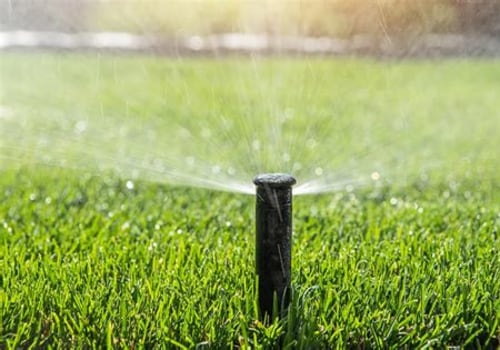
- Smart Irrigation Systems: These systems utilize weather data and soil moisture sensors to adjust watering schedules automatically. By responding to environmental conditions, they help prevent overwatering and ensure that your turf receives just the right amount of water.
- Timing Your Watering: Watering early in the morning or late in the evening reduces evaporation losses.
Aim for times when temperatures are cooler and winds are calmer to maximize water absorption.
- Adjusting Sprinkler Heads: Ensure that your sprinkler heads are properly adjusted to avoid watering sidewalks or driveways. This not only conserves water but also directs it where it’s needed most—on your turf.
Choosing the Right Grass Types for Water Efficiency
When it comes to turf management, selecting the right grass type is crucial for conserving water while maintaining a healthy lawn. Certain grass varieties are specifically bred to withstand dry conditions and require less irrigation, making them ideal for water-efficient landscaping.Water-Efficient Grass Types
- Bermudagrass: This warm-season grass is known for its drought resistance and ability to thrive in sunny environments.
It establishes deep roots, which helps it access moisture from deeper soil layers.
- Zoysiagrass: Another warm-season option, Zoysiagrass is highly drought-tolerant and can endure heat without requiring excessive watering. Its dense growth habit also helps suppress weeds, reducing competition for water.
- Buffalograss: A native grass that thrives in arid regions, Buffalograss is extremely low-maintenance and requires minimal irrigation once established. It’s an excellent choice for homeowners looking to reduce their water usage.
- Fescue: For cooler climates, tall fescue is a great option. It has a deep root system that allows it to survive on less water and is adaptable to various soil types.
Drought-Resistant Grasses
In addition to the above options, consider incorporating drought-resistant grasses into your turf selection.
These grasses are specifically designed to thrive in low-water conditions:
- Kentucky Bluegrass: While it typically requires more water, certain cultivars have been developed to be more drought-resistant, making them suitable for regions with fluctuating rainfall.
- Perennial Ryegrass: This grass type germinates quickly and can establish itself rapidly, providing a green cover that can withstand short periods of drought.
Soil Management Techniques for Improved Water Retention
Effective soil management is crucial for enhancing water retention in turf, which ultimately leads to healthier grass and reduced irrigation needs. By implementing specific practices, turf managers can significantly improve soil health and moisture retention.1.Soil Aeration:
Aerating the soil allows air, water, and nutrients to penetrate deeper into the root zone. This process reduces compaction, promotes root growth, and enhances the soil's ability to retain moisture.Regular aeration, especially during the growing season, can lead to a more resilient turf.
2.Organic Matter Addition:
Incorporating organic matter such as compost or well-rotted manure into the soil improves its structure and increases its water-holding capacity. Organic materials enhance microbial activity, which is essential for nutrient cycling and overall soil health.3.Mulching:
Applying a layer of organic mulch around turf areas can help retain moisture by reducing evaporation. Mulch also suppresses weeds that compete for water and nutrients, allowing the grass to thrive.4.Soil Testing:
Conducting regular soil tests helps identify nutrient deficiencies and pH imbalances that can affect water retention. By understanding the specific needs of your soil, you can tailor your management practices to improve its overall health.5.Cover Crops:
Planting cover crops during off-seasons can prevent soil erosion and improve soil structure.These crops add organic matter when tilled back into the soil, enhancing its ability to retain moisture.By adopting these soil health practices, turf managers can create an environment that not only conserves water but also supports robust turf growth. This holistic approach to turf management ensures that your lawn remains lush and vibrant while minimizing water usage.
Seasonal Turf Care Tips for Water Conservation
Maintaining a healthy lawn while conserving water is essential for effective turf management. By adjusting your lawn care practices according to the seasons, you can ensure your turf remains vibrant without excessive water use.Spring Care
As temperatures begin to rise, focus on establishing a strong root system. Here are some tips:- Water deeply but infrequently: Aim for about 1 inch of water per week, including rainfall.
This encourages deep root growth.
- Adjust your mowing height: Keep your mower blades set higher (around 3 inches) to promote shade and reduce evaporation.
- Fertilize wisely: Use slow-release fertilizers to minimize runoff and ensure nutrients are absorbed efficiently.
Summer Strategies
During the hot summer months, conserving water becomes even more critical. Consider these strategies:- Water early in the morning: This reduces evaporation and allows grass to absorb moisture before the heat of the day.
- Implement a watering schedule: Water every 3-4 days instead of daily, allowing the soil to dry out between sessions.
- Aerate your lawn: Aeration helps improve water penetration and reduces runoff, making your watering efforts more effective.
Fall Maintenance
As temperatures cool, it's time to prepare your turf for winter while still being mindful of water usage:- Overseed with drought-resistant varieties: This can help maintain a lush lawn with less water in the future.
- Mulch leaves: Instead of raking, mulch fallen leaves into the lawn. This adds organic matter and retains moisture in the soil.
- Reduce watering frequency: As growth slows, cut back on watering to prevent over-saturation and fungal diseases.
Common Myths About Watering Turf Debunked
When it comes to turf management, many homeowners and landscapers hold onto outdated beliefs about watering practices.Understanding these myths can lead to more effective and sustainable lawn care.
- Myth 1: Watering daily is necessary for a healthy lawn. Many believe that frequent watering is essential for turf health. In reality, deep and infrequent watering encourages deeper root growth, making the grass more drought-resistant.
- Myth 2: Grass will turn brown if it’s not watered every day. While grass may brown during dry spells, it often goes dormant rather than dead. This dormancy is a natural survival mechanism, and the grass can recover once adequate moisture returns.
- Myth 3: Watering in the evening is the best time. Although evening watering seems convenient, it can lead to prolonged moisture on the grass blades, increasing the risk of fungal diseases. The best time to water is early in the morning when temperatures are cooler and evaporation rates are lower.
- Myth 4: More water equals a greener lawn. Overwatering can lead to shallow roots and increased susceptibility to pests and diseases.
A well-managed lawn requires just enough water to thrive without excess.
FAQs About Conserving Water in Turf Management
When it comes to turf management, conserving water is essential for both environmental sustainability and maintaining a healthy lawn. Here are some frequently asked questions that can help you navigate this important aspect of lawn care.What are the best times to water my lawn?
Watering your lawn early in the morning, ideally between 6 AM and 10 AM, is the most effective time. This allows the grass to absorb moisture before the heat of the day causes evaporation.Watering in the evening can lead to prolonged moisture on the grass blades, increasing the risk of fungal diseases.
How much water does my turf need?
Most lawns require about 1 to 1.5 inches of water per week, including rainfall. To determine how much water your lawn is receiving, you can use a rain gauge or place small containers around your yard to measure the output of your sprinkler system.What techniques can I use to reduce water usage?
- Mulching: Applying a layer of organic mulch around your turf can help retain soil moisture and reduce evaporation.
- Drought-resistant grass types: Consider planting drought-tolerant grass varieties that require less water.
- Soil aeration: Aerating your lawn improves water penetration and root growth, allowing your turf to utilize water more efficiently.
Can I use greywater for my lawn?
Yes, using greywater from sinks, showers, or washing machines can be an effective way to conserve fresh water. However, ensure that any soaps or detergents used are biodegradable and safe for plants.How can I tell if my lawn needs watering?
A simple test is to walk on your grass; if it springs back up after you step on it, it likely doesn’t need watering. Additionally, look for signs like a dull color or footprints that remain visible as indicators of drought stress.By implementing these strategies and understanding your turf's needs, you can effectively conserve water while maintaining a vibrant and healthy lawn.Conclusion: Balancing Turf Health and Water Conservation Efforts
In conclusion, achieving a balance between maintaining healthy turf and implementing effective water conservation strategies is essential for sustainable turf management.As we have explored, there are numerous methods to ensure that your lawn remains vibrant while minimizing water usage. By adopting practices such as:
- Soil testing to understand nutrient needs and moisture retention capabilities,
- Utilizing drought-resistant grass varieties that require less water,
- Implementing smart irrigation systems that adjust watering schedules based on weather conditions,
- Employing mulching techniques to retain soil moisture and reduce evaporation,
- And practicing proper mowing techniques, which can promote deeper root growth and enhance drought resistance.