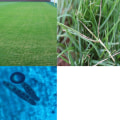
Turf management is a critical aspect of maintaining healthy and vibrant landscapes, whether for residential lawns, sports fields, or commercial properties. A well-managed turf not only enhances the aesthetic appeal of an area but also provides a safe and functional space for recreational activities. However, achieving and sustaining this ideal condition can be significantly challenged by various pests that thrive in turf environments. Understanding the common turf pests and their impact on grass health is essential for effective pest control and overall turf management. Pests such as grubs, chinch bugs, and armyworms can wreak havoc on turf, leading to unsightly patches, weakened grass, and increased susceptibility to diseases.
These pests often go unnoticed until they have caused substantial damage, making it crucial for turf managers to be vigilant and proactive. Effective turf management involves not only identifying these pests but also implementing integrated pest management strategies that minimize their impact while promoting healthy grass growth. In the following sections, we will delve deeper into specific pests that commonly affect turf and explore various control methods that can be employed. By equipping yourself with knowledge about these pests and their management, you can ensure that your turf remains lush, green, and resilient against potential threats.
Common Pests Affecting Turf
Effective turf management begins with understanding the common pests that can threaten the health and appearance of your lawn. These pests can be broadly categorized into three groups: insects, weeds, and diseases.Insect Pests
- Grubs: The larvae of beetles, grubs feed on the roots of grass, leading to brown patches and turf thinning.
Regular monitoring and applying beneficial nematodes can help control their population.
- Chinch Bugs: These small insects suck the sap from grass blades, causing yellowing and wilting. Early detection is key; using insecticidal soap or targeted insecticides can effectively manage chinch bug infestations.
- Armyworms: Known for their voracious appetite, armyworms can quickly defoliate a lawn. Handpicking or using insecticides when they are in their larval stage can mitigate damage.
Weeds
- Dandelions: These perennial weeds compete for nutrients and water. Regular mowing and the application of pre-emergent herbicides can prevent their growth.
- Clover: While some may appreciate clover for its nitrogen-fixing properties, it can outcompete desirable grass species.
Spot treatments with selective herbicides can help control clover populations.
Diseases
- Brown Patch: This fungal disease thrives in warm, humid conditions and manifests as circular brown patches. Proper watering practices and fungicide applications can help manage this issue.
- Pythium Blight: Another fungal threat, Pythium blight causes rapid turf decline. Ensuring good drainage and air circulation, along with fungicide treatments, are effective control measures.
Insect Pests and Their Impact on Turf Health
In the realm of turf management, understanding the various insect pests that can affect grass health is crucial for maintaining a lush, vibrant lawn.Among the most notorious offenders are grubs, chinch bugs, and armyworms, each presenting unique challenges to turf health.
Grubs
Grubs are the larval stage of various beetles, including Japanese beetles and June bugs. They typically feed on the roots of grass, leading to significant damage. Signs of a grub infestation include:- Brown patches in the lawn that feel spongy when walked on.
- Increased bird activity as they search for grubs.
- Visible larvae when digging up sections of turf.
Chinch Bugs
Chinch bugs are small, black insects that suck the sap from grass blades, causing yellowing and wilting. They thrive in hot, dry conditions and can quickly devastate a lawn.Look for:
- Yellowing patches that may eventually turn brown.
- Clusters of small black bugs near the base of grass blades.
Armyworms
Armyworms, particularly the fall armyworm, can cause rapid damage to turf by consuming entire blades of grass. Infestations often occur in late summer and early fall. Signs include:- Irregular patches of missing grass.
- Caterpillars visible on the surface or in the thatch layer.
Weeds: The Unwanted Competitors in Turf Management
Weeds are among the most common and persistent challenges in turf management.These unwanted plants not only detract from the aesthetic appeal of lawns but also compete with grass for essential resources such as nutrients, water, and sunlight. Understanding the types of weeds that typically invade turf areas is crucial for effective management.
Common Turf Weeds
- Dandelion - Recognizable by its bright yellow flowers, dandelions have deep taproots that make them resilient against removal.
- Clover - Often seen as a sign of poor soil health, clover can thrive in low-nutrient conditions and can outcompete grass.
- Crabgrass - A summer annual that germinates in warm weather, crabgrass spreads quickly and can choke out desirable turf species.
- Thistle - With its spiny leaves and tall growth, thistles can dominate turf areas if not controlled early.
Weed Control in Lawns
Effective weed control requires a combination of cultural practices and targeted treatments. Here are some strategies:
- Mowing: Regular mowing at the correct height encourages grass growth while preventing weeds from flowering and seeding.
- Aeration: Aerating the soil improves water infiltration and nutrient absorption, promoting healthy grass that can outcompete weeds.
- Fertilization: Providing adequate nutrients to your turf helps strengthen grass, making it more competitive against weeds.
- Herbicides: Selective herbicides can target specific weed species without harming the surrounding grass. Always follow label instructions for safe application.
Managing Weeds in Turf
The key to successful weed management lies in prevention.
Maintaining a healthy lawn through proper watering, fertilization, and mowing practices creates an environment where grass can thrive and weeds struggle. Regular monitoring for early signs of weed growth allows for timely intervention, reducing the need for more aggressive control measures later on.In conclusion, understanding the common weeds that affect turf and implementing effective control strategies is essential for maintaining a healthy lawn. By prioritizing turf management, homeowners can enjoy lush, vibrant grass free from the competition of invasive weeds.
Diseases That Affect Turf Quality
Turf quality can be significantly impacted by various diseases, which can lead to unsightly patches and weakened grass. Understanding these diseases is crucial for effective lawn disease management.One of the most common turf diseases is brown patch , primarily affecting cool-season grasses during warm, humid conditions.Symptoms include circular brown patches that can expand rapidly, often surrounded by a yellow halo. To manage brown patch, ensure proper irrigation practices—water early in the morning to allow grass to dry out during the day. Additionally, avoid excessive nitrogen fertilization, which can promote disease development.Another prevalent issue is dollar spot , which manifests as small, round patches of bleached grass. This disease thrives in conditions of high humidity and low nitrogen levels.
To combat dollar spot, maintain adequate nitrogen levels through balanced fertilization and ensure proper mowing practices to keep grass at an optimal height.
- Identifying Turf Diseases: Regularly inspect your lawn for signs of discoloration or unusual growth patterns.
- Preventive Measures: Implement cultural practices such as aeration and overseeding to promote healthy turf.
- Pesticide Use: If necessary, apply fungicides specifically labeled for the disease in question, following all application guidelines.
Integrated Pest Management (IPM) Strategies for Turf Control
Integrated Pest Management (IPM) is a comprehensive approach to turf management that focuses on sustainable pest control methods. By combining various strategies, IPM aims to minimize the reliance on chemical pesticides while effectively managing pest populations. This holistic approach not only protects the turf but also promotes environmental health.One of the core principles of IPM is monitoring. Regularly inspecting the turf for signs of pest activity allows for early detection and intervention.This can include visual inspections, soil testing, and using traps to identify pest species. Understanding the life cycles and behaviors of common turf pests, such as grubs, chinch bugs, and armyworms, is crucial for effective management.Another key component of IPM is cultural practices. These practices involve modifying the environment to make it less conducive to pest infestations. For instance:
- Proper watering: Overwatering can create conditions favorable for pests like fungus gnats.
Implementing a proper irrigation schedule helps maintain healthy turf.
- Fertilization: Using organic fertilizers can enhance soil health and improve turf resilience against pests.
- Mowing: Regular mowing at the correct height can prevent pests from establishing themselves in the grass.
By focusing on monitoring, cultural practices, biological controls, and judicious use of chemicals, turf managers can achieve sustainable pest management that benefits both the turf and the environment.
Cultural Practices to Prevent Pest Infestations
Effective turf management begins with implementing cultural practices that create a healthy lawn environment, making it less susceptible to pest infestations. Here are some key practices to consider:- Proper Watering: Overwatering can lead to waterlogged soil, which attracts pests like grubs and fungus. Aim for deep, infrequent watering to encourage deep root growth. Early morning is the best time to water, reducing evaporation and fungal diseases.
- Mowing Techniques: Regular mowing at the correct height is crucial.
Keeping grass at a height of 2.5 to 3.5 inches helps shade the soil, reducing weed growth and providing a less favorable environment for pests. Ensure your mower blades are sharp to prevent tearing the grass, which can stress the plants.
- Soil Health: Healthy soil is the foundation of a resilient turf. Conduct soil tests to determine pH and nutrient levels, and amend as necessary with organic matter or fertilizers. Aeration can also improve soil structure and drainage, promoting healthier grass.
- Crop Rotation: If you have multiple turf areas, consider rotating different grass species in various sections.
This practice can disrupt pest life cycles and reduce their populations.
- Thatch Management: Thatch buildup can create a habitat for pests. Regularly dethatching your lawn helps maintain a healthy balance and reduces pest attraction.
Chemical Control Options for Turf Pests
When it comes to turf management, chemical control options can be an effective way to manage pests that threaten the health and appearance of your lawn. Understanding the types of pesticides available and how to use them safely is crucial for maintaining a healthy turf environment.Types of Pesticides
- Insecticides: These are used to control insect pests such as grubs, chinch bugs, and sod webworms. Common active ingredients include imidacloprid and chlorantraniliprole.
- Herbicides: These target unwanted weeds that compete with your grass for nutrients and water.
Pre-emergent herbicides prevent weed seeds from germinating, while post-emergent herbicides kill existing weeds.
- Fungicides: If your turf is suffering from diseases like brown patch or dollar spot, fungicides can help control these issues. Look for products containing azoxystrobin or propiconazole.
Safe Pesticide Use
Using pesticides safely is paramount to protect not only your lawn but also the surrounding environment. Here are some best practices:- Read Labels: Always read and follow the manufacturer's instructions on the pesticide label. This includes application rates, timing, and safety precautions.
- Avoid Application During Windy Conditions: Wind can cause drift, leading to unintended exposure of non-target plants and wildlife.
- Wear Protective Gear: Use gloves, masks, and goggles as recommended to protect yourself during application.
- Timing is Key: Apply pesticides during optimal conditions—typically early morning or late afternoon—to minimize evaporation and maximize effectiveness.
Frequently Asked Questions About Turf Pests and Management
When it comes to turf management, understanding common pests and their control is crucial for maintaining a healthy lawn.Here are some frequently asked questions regarding turf pests:
- What are the most common pests that affect turf?
Common pests include grubs, chinch bugs, armyworms, and billbugs. Each of these can cause significant damage if not managed properly. - How can I identify turf pests?
Look for signs such as yellowing grass, irregular patches, or increased bird activity. For example, grubs can be identified by pulling back a section of grass to find white, C-shaped larvae in the soil. - What are effective pest management tips?
Implementing an integrated pest management (IPM) approach is key. This includes:
- Regular Monitoring: Check your lawn frequently for signs of pest activity.
- Cultural Practices: Maintain healthy turf through proper watering, mowing, and fertilization to make it less susceptible to pests.
- Biological Controls: Introduce beneficial insects like ladybugs or nematodes that prey on harmful pests.
- Pesticides: If necessary, use targeted pesticides as a last resort, ensuring they are appropriate for the specific pest and safe for the environment.
Conclusion: Key Takeaways for Effective Turf Management
In summary, effective turf management requires a comprehensive understanding of the common pests that can threaten the health and appearance of your lawn.By identifying these pests early, you can implement targeted control measures that minimize damage and promote a lush, vibrant turf. Key pests such as grubs, chinch bugs, and fungal diseases can wreak havoc if left unchecked. Regular monitoring and proper identification are crucial steps in managing these threats. For instance, grubs can be controlled through the application of beneficial nematodes or insecticides during their active stages, while chinch bugs may require a combination of cultural practices and chemical treatments. Additionally, maintaining healthy turf through proper watering, fertilization, and aeration can significantly reduce the likelihood of pest infestations. A well-nourished lawn is more resilient and better equipped to withstand pest pressures.
- Proactive Monitoring: Regularly inspect your turf for signs of pest activity.
- Cultural Practices: Implement practices such as proper mowing height and irrigation to promote turf health.
- Integrated Pest Management (IPM): Utilize a combination of biological, cultural, and chemical controls for effective pest management.
By staying informed about potential pests and employing effective control strategies, you can ensure your lawn remains healthy and beautiful throughout the seasons.