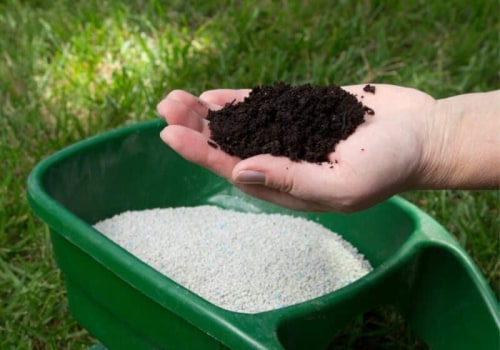
Turf management is a critical aspect of maintaining vibrant and healthy grass, whether for residential lawns, sports fields, or golf courses. It encompasses a variety of practices aimed at promoting optimal growth and resilience in turfgrass. Among these practices, irrigation scheduling plays a pivotal role in ensuring that turf receives the right amount of water at the right time, which is essential for its overall health and appearance. The importance of turf management cannot be overstated. Properly managed turf not only enhances the aesthetic appeal of landscapes but also contributes to environmental benefits such as soil erosion control and improved air quality.
Healthy turf acts as a natural filter, capturing pollutants and providing a habitat for various species. However, achieving and maintaining this health requires a comprehensive understanding of the factors that influence turf growth, including soil type, climate conditions, and most importantly, water management. As we delve deeper into the intricacies of turf management, it becomes clear that effective irrigation scheduling is not merely about watering grass; it is about creating a sustainable ecosystem that thrives under specific conditions. By understanding how to balance water application with the needs of the turf, managers can significantly enhance turf health, reduce water waste, and promote a lush green environment that stands up to wear and tear.
The Basics of Irrigation Scheduling
Irrigation scheduling is a critical component of effective turf management, ensuring that grass receives the right amount of water at the right time. This practice involves planning and timing the application of water to meet the specific needs of turfgrass, taking into account factors such as weather conditions, soil type, and grass species.At its core, irrigation scheduling aims to optimize water use while promoting healthy turf growth.By understanding when and how much to irrigate, turf managers can prevent both overwatering and underwatering, which can lead to various turf health issues.
Principles of Irrigation Scheduling
- Soil Moisture Monitoring: Regularly checking soil moisture levels helps determine when irrigation is necessary. Tools like moisture sensors can provide accurate readings.
- Weather Considerations: Monitoring local weather forecasts allows turf managers to adjust irrigation schedules based on rainfall and temperature changes.
- Grass Type Requirements: Different grass species have varying water needs. Understanding these requirements is essential for effective scheduling.
Benefits of Irrigation Scheduling
- Water Conservation: Efficient irrigation practices reduce water waste, making it an environmentally friendly approach.
- Cost Savings: By minimizing unnecessary watering, turf managers can lower water bills and reduce labor costs associated with irrigation.
- Turf Health Improvement: Proper scheduling promotes deep root growth and enhances the overall resilience of the turf against pests and diseases.
How Irrigation Affects Turf Health
Effective irrigation scheduling plays a crucial role in maintaining the health of turf.Proper watering practices not only ensure that the grass receives adequate moisture but also help in preventing various stress factors that can compromise its vitality.One of the primary impacts of irrigation on turf health is its ability to meet the water requirements for turf. Different types of grass have varying needs based on their species, growth stage, and environmental conditions. For instance, cool-season grasses typically require more water during their peak growth periods in spring and fall, while warm-season grasses thrive in the heat of summer. Understanding these requirements allows turf managers to tailor their irrigation schedules effectively.Moreover, overwatering can be just as detrimental as underwatering.
Excess moisture can lead to shallow root systems, making the turf more susceptible to diseases and pests. It can also cause waterlogging, which deprives roots of oxygen and leads to turf decline. Conversely, underwatering stresses the grass, resulting in wilting, browning, and ultimately, a weakened lawn that struggles to recover.
- Preventing Turf Stress: Proper irrigation helps mitigate stress factors such as drought, heat, and competition from weeds. By ensuring consistent moisture levels, turf can maintain its resilience against these challenges.
- Promoting Growth: Adequate watering encourages deeper root development and enhances nutrient uptake.
This leads to a healthier, more robust lawn that can withstand environmental pressures.
- Improving Aesthetics: Well-irrigated turf is visually appealing, with vibrant color and density that enhances the overall landscape.
The Consequences of Poor Irrigation Scheduling
Improper irrigation scheduling can lead to a myriad of negative consequences for turf health, significantly impacting turf management practices. Understanding these effects is crucial for maintaining a vibrant and resilient lawn.Effects of Overwatering Turf
Overwatering is one of the most common mistakes in irrigation scheduling. When turf receives too much water, it can lead to:- Root Rot: Excess moisture creates an environment conducive to fungal diseases, which can damage or kill the roots.
- Soil Compaction: Saturated soil becomes compacted, reducing aeration and hindering root growth.
- Nutrient Leaching: Overwatering can wash away essential nutrients, leading to deficiencies that affect turf color and growth.
Consequences of Underwatering Turf
On the other hand, underwatering can be equally detrimental.Insufficient water supply results in:
- Stress and Wilting: Turf may exhibit signs of stress, such as wilting or browning, which can weaken its overall health.
- Pest Infestation: Stressed turf is more susceptible to pests and diseases, as weakened plants cannot defend themselves effectively.
- Shallow Root Systems: Without adequate moisture, roots may not grow deep enough to access nutrients and water from the soil.
Turf Diseases Linked to Irrigation Issues
The relationship between irrigation practices and turf diseases cannot be overstated. Both overwatering and underwatering create conditions that favor disease development. For instance:- Fungal Infections: Overly wet conditions promote fungal growth, leading to diseases like brown patch or powdery mildew.
- Drought Stress Diseases: Underwatered turf is prone to diseases such as dollar spot, which thrive in stressed environments.
Best Practices for Effective Irrigation Scheduling
Creating an effective irrigation schedule is crucial for maintaining healthy turf.Here are some best practices to consider when developing your turf irrigation strategy:
- Understand Your Turf Type: Different grass species have varying water requirements. Familiarize yourself with the specific needs of your turf type to tailor your irrigation schedule accordingly.
- Monitor Weather Conditions: Keep an eye on local weather forecasts. Adjust your irrigation schedule based on rainfall and temperature to avoid overwatering or underwatering.
- Time of Day Matters: Watering early in the morning is ideal as it reduces evaporation and allows grass blades to dry before evening, minimizing disease risk.
- Use Soil Moisture Sensors: Implementing soil moisture sensors can provide real-time data on soil conditions, helping you determine when to water and how much.
- Deep and Infrequent Watering: Aim for deep watering sessions rather than frequent light watering. This encourages deeper root growth, making your turf more resilient during dry spells.
- Adjust Irrigation Based on Season: During cooler months, reduce watering frequency as grass growth slows down.
- Avoid Watering on Windy Days: Wind can cause uneven watering and increase evaporation rates, leading to inefficient use of water.
- Check for Leaks: Regularly inspect your irrigation system for leaks or broken heads that can waste water and disrupt your schedule.
Technological Advances in Irrigation Scheduling
In the realm of turf management, the integration of modern technology has revolutionized how irrigation scheduling is approached.With the advent of smart irrigation systems, turf managers can now optimize water usage while ensuring the health and vitality of their grass.
Smart controllers
are at the forefront of this technological shift. These devices utilize weather data, soil moisture levels, and even evapotranspiration rates to determine the precise amount of water needed for turf. By adjusting irrigation schedules based on real-time conditions, smart controllers help prevent overwatering, which can lead to root rot and other turf diseases.Another significant advancement is the use of moisture sensors. These sensors are strategically placed within the soil to monitor moisture levels continuously.When the soil reaches a predetermined dryness threshold, the system activates irrigation automatically. This not only conserves water but also ensures that the turf receives adequate hydration, promoting deeper root growth and overall resilience.
- Automated irrigation solutions reduce labor costs and human error, allowing turf managers to focus on other critical aspects of lawn care.
- These systems can be integrated with mobile applications, enabling users to monitor and control their irrigation remotely.
- Data analytics from these technologies provide insights into water usage patterns, helping managers make informed decisions about future irrigation practices.
Frequently Asked Questions about Irrigation Scheduling and Turf Health
Understanding the nuances of irrigation scheduling is crucial for maintaining healthy turf.Here are some frequently asked questions that can help clarify its importance:
- What is irrigation scheduling?
Irrigation scheduling involves planning the timing and amount of water applied to turfgrass. This practice ensures that grass receives adequate moisture without overwatering, which can lead to disease and root problems. - How does improper irrigation affect turf health?
Overwatering can suffocate roots and promote fungal diseases, while underwatering can lead to drought stress, resulting in brown patches and weakened grass. Both extremes can compromise the overall health of your turf. - What factors should be considered when scheduling irrigation?
Several factors influence effective irrigation scheduling, including:- Soil type and moisture retention
- Grass species and its water needs
- Weather conditions, such as rainfall and temperature
- Time of year and seasonal changes
- How can I troubleshoot irrigation issues?
If you notice uneven growth or discoloration in your turf, consider the following troubleshooting steps:- Check for clogs in sprinkler heads or drip lines.
- Evaluate the distribution pattern of your irrigation system.
- Monitor soil moisture levels using a moisture meter.
- Adjust your schedule based on recent rainfall or temperature changes.
Conclusion: The Importance of Proper Irrigation Scheduling in Turf Management
In conclusion, the significance of proper irrigation scheduling in turf management cannot be overstated. Throughout this article, we have explored how effective irrigation practices directly influence the health and vitality of turf.By adhering to a well-planned irrigation schedule, turf managers can ensure that grass receives the optimal amount of water, which is crucial for its growth and resilience.One of the key takeaways is that overwatering can lead to shallow root systems, making turf more susceptible to stress and disease. Conversely, underwatering can cause drought stress, leading to brown patches and weakened grass. Therefore, finding the right balance is essential for maintaining a lush and vibrant lawn.Moreover, implementing advanced technologies such as smart irrigation systems can enhance the efficiency of water usage. These systems allow for real-time monitoring of soil moisture levels and weather conditions, enabling turf managers to adjust their irrigation schedules accordingly.
This not only conserves water but also promotes healthier turf.Additionally, understanding the specific needs of different grass types and local climate conditions plays a vital role in effective irrigation scheduling. By tailoring irrigation practices to these factors, turf managers can significantly improve the overall health and appearance of their lawns.In summary, proper irrigation scheduling is a cornerstone of successful turf management. It fosters robust growth, enhances disease resistance, and contributes to sustainable practices that benefit both the environment and the aesthetic appeal of green spaces. As we move forward, prioritizing effective irrigation strategies will be essential for achieving optimal turf health.