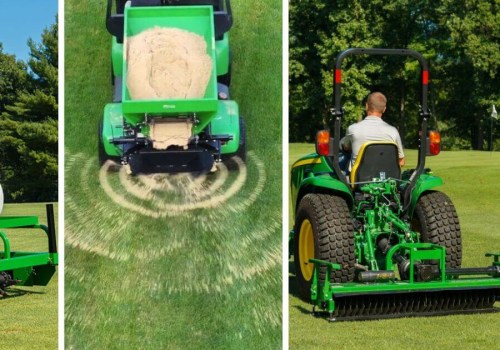
Turf management is a critical practice that encompasses the cultivation, maintenance, and care of grassed areas, whether they be residential lawns, sports fields, or golf courses. The importance of turf management cannot be overstated, as it directly impacts the health and aesthetics of these landscapes. Proper turf management not only enhances the visual appeal of outdoor spaces but also contributes to environmental benefits such as soil erosion control, improved air quality, and increased biodiversity. By implementing effective turf management strategies, landowners can ensure that their green spaces remain vibrant and resilient. One of the key benefits of turf management is its role in promoting healthy grass growth.
This involves a variety of practices including mowing, fertilization, irrigation, and pest control. Each of these elements plays a vital role in maintaining the overall health of the turf. For instance, regular mowing encourages denser growth and helps prevent weeds from taking over. Similarly, appropriate fertilization provides essential nutrients that support robust root systems and lush foliage. As we delve deeper into the topic, it becomes evident that weather plays a significant role in shaping turf management practices.
Factors such as temperature, rainfall, and humidity can greatly influence when and how these practices are implemented. Understanding the relationship between weather conditions and turf management is essential for achieving optimal results in maintaining healthy grass and landscapes.
How Weather Influences Turf Growth
Understanding how weather influences turf growth is essential for effective turf management. Various weather conditions, including temperature, humidity, and precipitation, play a significant role in determining the health and vitality of grass.Temperature Impact on Grass
Temperature is one of the most critical factors affecting turf growth. Grass species have specific temperature ranges that promote optimal growth.For instance, cool-season grasses thrive in temperatures between 60°F and 75°F, while warm-season grasses prefer temperatures from 80°F to 95°F. When temperatures exceed these ranges, grass can experience stress, leading to issues such as:
- Reduced growth rates: High temperatures can slow down photosynthesis, leading to stunted growth.
- Increased susceptibility to pests: Stressed grass is more vulnerable to diseases and insect infestations.
- Water stress: Higher temperatures increase evaporation rates, necessitating more frequent irrigation.
Humidity and Turf Health
Humidity levels also significantly impact turf health. High humidity can create a favorable environment for fungal diseases, which can devastate lawns if not managed properly. Conversely, low humidity can lead to rapid moisture loss from the soil and grass blades, stressing the turf.Turf managers should monitor humidity levels closely and adjust their practices accordingly:
- Irrigation practices: In high humidity, reduce watering frequency to prevent waterlogging and disease.
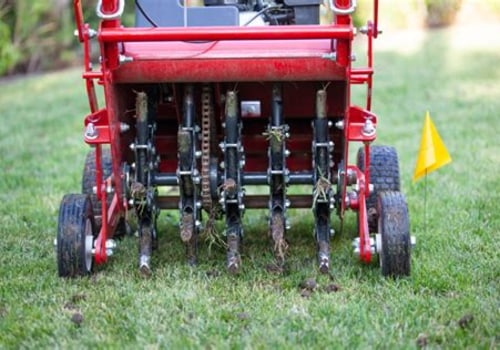
- Aeration: Aerating the soil can improve drainage and reduce disease risk in humid conditions.
Seasonal Weather Patterns and Their Effects on Turf Management
Understanding how seasonal weather patterns influence turf management is crucial for maintaining healthy and vibrant grass throughout the year. Each season presents unique challenges and opportunities that require tailored strategies to ensure optimal turf health.Winter Turf Management
During the winter months, cold temperatures and potential snowfall can significantly impact turf care.It is essential to prepare your lawn before the first frost:
- Fertilization: Apply a slow-release fertilizer in late fall to provide nutrients that will support root growth during dormancy.
- Leaf Removal: Regularly clear fallen leaves to prevent mold and disease, which can thrive under a blanket of debris.
- Watering: Ensure your turf is adequately hydrated before the ground freezes, as dry grass is more susceptible to winter damage.
Summer Turf Care
The summer months bring heat and increased sunlight, which can stress turf if not managed properly. Here are some effective practices for summer turf management:- Irrigation: Implement a consistent watering schedule, ideally early in the morning or late in the evening, to minimize evaporation and promote deep root growth.
- Mowing: Keep your mower blades sharp and adjust the cutting height; taller grass shades the soil and retains moisture better.
- Pest Control: Monitor for pests and diseases that thrive in warm weather. Early detection and treatment are key to preventing widespread damage.
Adapting Turf Management Practices to Weather Changes
As weather patterns become increasingly unpredictable, turf management practices must evolve to ensure the health and vitality of grass surfaces.Adapting to these changes requires a proactive approach that incorporates various weather adaptation strategies.
Understanding Weather Impacts
- Temperature fluctuations: Extreme heat can stress turf, while cold snaps can hinder growth. Turf managers should monitor local forecasts and adjust irrigation and fertilization schedules accordingly.
- Precipitation levels: Excessive rainfall can lead to waterlogged soils, while drought conditions necessitate increased irrigation. Implementing a rain gauge system can help in making informed decisions about watering needs.
- Wind patterns: High winds can cause soil erosion and damage to turf. Protective measures, such as windbreaks or strategic planting, can mitigate these effects.
Flexible Turf Care Practices
Turf managers should adopt flexible care practices that allow for quick adjustments based on current weather conditions.
Here are some effective strategies:
- Soil moisture monitoring: Utilize moisture sensors to determine when to irrigate, ensuring that turf receives adequate hydration without overwatering.
- Seasonal fertilization adjustments: Modify fertilization schedules based on temperature and growth patterns. For instance, applying slow-release fertilizers during cooler months can promote steady growth.
- Pest and disease management: Weather changes can influence pest populations and disease outbreaks. Regular scouting and timely interventions are crucial for maintaining turf health.
The Role of Technology in Weather-Responsive Turf Management
In the realm of turf management, the integration of technology has revolutionized how professionals respond to varying weather conditions. By leveraging advanced tools and systems, turf managers can make informed decisions that enhance the health and appearance of their greens, fairways, and sports fields.Weather Monitoring Tools
One of the most significant advancements in turf management is the use of weather monitoring tools.These devices provide real-time data on temperature, humidity, rainfall, and wind speed, allowing turf managers to anticipate changes in weather patterns. For instance, a sudden drop in temperature may signal the need for frost protection measures, while increased humidity could indicate a higher risk of fungal diseases. By staying ahead of these conditions, turf managers can implement timely interventions that promote optimal turf health.
Smart Irrigation Systems
Another critical technological advancement is the development of smart irrigation systems. These systems utilize data from weather forecasts and soil moisture sensors to optimize watering schedules.Instead of relying on a fixed irrigation timetable, smart systems adjust watering based on current weather conditions. For example, if rain is forecasted, the system can delay irrigation to conserve water and prevent over-saturation of the turf. This not only enhances water efficiency but also supports sustainable turf management practices.
Data Analytics and Predictive Modeling
Furthermore, data analytics and predictive modeling play a vital role in modern turf management. By analyzing historical weather data alongside current conditions, turf managers can predict potential challenges such as droughts or pest outbreaks.This proactive approach allows for strategic planning and resource allocation, ensuring that turf remains resilient against adverse weather impacts.In conclusion, the role of technology in weather-responsive turf management cannot be overstated. By utilizing weather monitoring tools, smart irrigation systems, and data analytics, turf managers can effectively adapt their practices to changing environmental conditions, ultimately leading to healthier and more sustainable turf landscapes.
Common Challenges in Turf Management Due to Weather Variability
Weather variability poses significant challenges in turf management, impacting everything from growth patterns to disease susceptibility. Understanding these challenges is crucial for turf managers aiming to maintain healthy and resilient turf. One of the primary issues is irregular rainfall. Inconsistent precipitation can lead to either drought stress or waterlogging, both of which adversely affect turf health.During dry spells, turf may become brown and brittle, while excessive rain can cause root rot and fungal diseases. Another challenge is temperature fluctuations. Extreme heat can stress turf, leading to increased water needs and potential die-off, while unexpected cold snaps can damage tender grass varieties. These temperature extremes can also disrupt the timing of essential maintenance practices such as aeration and fertilization. Additionally, wind patterns can exacerbate moisture loss, particularly in arid regions. Strong winds can dry out the soil quickly, necessitating more frequent irrigation and careful monitoring of soil moisture levels. To overcome these challenges, turf managers can implement several strategies:
- Soil Moisture Monitoring: Utilize moisture sensors to gauge soil conditions accurately, allowing for timely irrigation adjustments.
- Drought-Resistant Grass Varieties: Select grass types that are more tolerant to drought and heat stress, ensuring better resilience against climate variability.
- Integrated Pest Management (IPM): Adopt IPM practices to manage pests and diseases that thrive in fluctuating weather conditions.
- Flexible Maintenance Schedules: Adjust maintenance practices based on real-time weather data to optimize turf health and performance.
FAQs About Weather and Turf Management Practices
Understanding how weather impacts turf management practices is crucial for maintaining healthy grass.Here are some frequently asked questions that shed light on this relationship:
- How does temperature affect turf growth?
Temperature plays a significant role in the growth rate of grass. Warm-season grasses thrive in temperatures between 80°F and 95°F, while cool-season grasses prefer 60°F to 75°F. Extreme temperatures can stress the turf, leading to slower growth or dormancy. - What is the impact of rainfall on turf management?
Rainfall is essential for turf health, but too much or too little can create challenges. Excessive rain can lead to waterlogged soil, promoting diseases like root rot, while insufficient rainfall necessitates irrigation to prevent drought stress. - How does humidity influence turf care?
High humidity levels can increase the risk of fungal diseases, making it important to monitor moisture levels and adjust maintenance practices accordingly.Conversely, low humidity can lead to rapid evaporation, requiring more frequent watering.
- What should I do during a drought?
During drought conditions, it’s vital to implement water conservation strategies. This may include reducing mowing frequency, raising mower blades to allow grass to grow taller, and using drought-resistant grass varieties.
Conclusion: The Interplay Between Weather and Turf Management Success
In conclusion, the relationship between weather and turf management is intricate and multifaceted. Understanding how various weather conditions impact turf health is essential for achieving optimal results in lawn care and maintenance. Throughout this article, we have explored several key factors that illustrate this interplay.- Temperature Variations: Extreme temperatures can stress turf, making it crucial for managers to adjust their practices accordingly.
For instance, during heat waves, increasing irrigation and providing shade can help mitigate stress.
- Precipitation Patterns: Rainfall affects soil moisture levels, which directly influences nutrient uptake. Turf managers must monitor rainfall closely to avoid overwatering or underwatering, both of which can lead to poor turf quality.
- Wind Effects: Wind can exacerbate moisture loss and increase evaporation rates. Implementing windbreaks or adjusting irrigation schedules can help maintain adequate moisture levels in the turf.
- Seasonal Changes: Each season brings unique challenges and opportunities for turf management. Understanding seasonal weather patterns allows managers to plan for aeration, fertilization, and pest control more effectively.
By staying informed about local weather forecasts and trends, turf managers can make proactive decisions that enhance the resilience and health of their grass. Ultimately, a comprehensive understanding of how weather influences turf management will lead to more sustainable practices and a thriving landscape.