Turf management is a critical practice that encompasses the cultivation, maintenance, and care of turfgrass in various settings, including residential lawns, sports fields, and commercial landscapes. This discipline not only focuses on aesthetic appeal but also plays a vital role in promoting environmental health. By understanding turf management, we can appreciate its significance in enhancing biodiversity, improving air quality, and managing water resources effectively. At its core, turf management involves a series of techniques aimed at optimizing the growth and health of grass species. This includes soil testing, fertilization, pest control, and irrigation practices tailored to specific environments.
The importance of turf management extends beyond mere aesthetics; it contributes to sustainable landscaping practices that can mitigate environmental issues such as soil erosion and urban heat islands. Properly managed turf can act as a natural filter for pollutants, helping to purify water runoff and reduce the impact of stormwater on local ecosystems. Moreover, effective turf management fosters a balance between human activity and nature. By implementing eco-friendly practices such as organic fertilization and integrated pest management, turf managers can minimize chemical usage while still achieving lush green spaces. This not only benefits the immediate environment but also promotes a healthier ecosystem overall.
As we delve deeper into the environmental impacts of turf management, it becomes clear that this practice is essential for creating sustainable landscapes that support both human needs and ecological integrity.
The Role of Turf in Ecosystems
Turf management plays a crucial role in maintaining healthy ecosystems and enhancing local biodiversity. By creating and maintaining turf areas, we provide essential habitats for various species, including insects, birds, and small mammals. These green spaces serve as vital corridors that connect fragmented habitats, allowing wildlife to thrive.Benefits of turf
extend beyond aesthetics; they contribute significantly to environmental health. Well-managed turf can improve air quality by absorbing carbon dioxide and releasing oxygen.Additionally, turf areas help mitigate urban heat effects by cooling the surrounding environment, which is particularly important in densely populated areas.Moreover, turf management practices can enhance soil health. Healthy turf promotes soil biodiversity, which is essential for nutrient cycling and water retention. The roots of turf grasses help prevent soil erosion, thereby protecting waterways from sedimentation and pollution.
- Support for Biodiversity: Turf areas can host a variety of plant species, which in turn attract pollinators like bees and butterflies. This diversity is crucial for maintaining ecological balance.
- Habitat Creation: Turf provides shelter and food sources for small mammals and ground-nesting birds, contributing to a rich tapestry of life.
- Water Management: Turf can absorb rainfall, reducing runoff and promoting groundwater recharge.
This is particularly beneficial in urban settings where impervious surfaces dominate.
Water Usage and Conservation in Turf Management
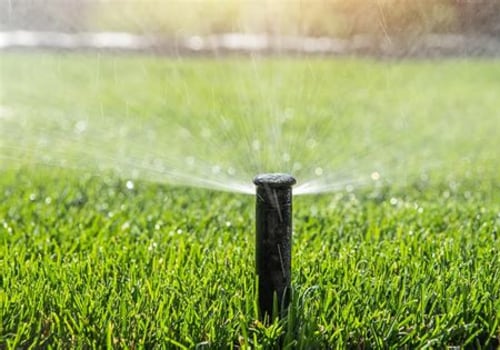
Turf management plays a crucial role in determining the water usage of landscapes, particularly in regions where water scarcity is a concern. The amount of water required for maintaining healthy turf can vary significantly based on factors such as climate, soil type, and the specific grass species used. Understanding these requirements is essential for implementing effective turf irrigation practices that promote sustainability.One of the primary challenges in turf management is balancing the need for adequate moisture with the necessity of conserving water.Traditional irrigation methods often lead to significant water waste due to evaporation and runoff. To combat this, many turf managers are adopting innovative water conservation strategies that enhance efficiency and reduce overall consumption.
Efficient Irrigation Techniques
- Drip Irrigation: This method delivers water directly to the root zone of plants, minimizing evaporation and runoff.
- Smart Controllers: Utilizing weather-based or soil moisture sensors can optimize irrigation schedules, ensuring that turf receives only the necessary amount of water.
- Rainwater Harvesting: Collecting and storing rainwater for irrigation purposes can significantly reduce reliance on municipal water supplies.
Soil Health and Turf Management Practices
Turf management plays a crucial role in maintaining soil health, which is essential for the sustainability of any landscape.Effective turf management practices can enhance soil structure, improve fertility, and reduce erosion, ultimately leading to healthier ecosystems.
Soil Erosion
One of the significant challenges in turf management is soil erosion. When turf is poorly managed, it can lead to the degradation of soil quality. Erosion occurs when the protective layer of grass is compromised, allowing wind and water to wash away topsoil. This not only diminishes the soil's nutrient content but also affects the overall health of the turf.
Implementing practices such as proper mowing techniques, maintaining adequate ground cover, and using erosion control measures can significantly mitigate these risks.
Soil Compaction
Another critical aspect of turf management is addressing soil compaction. Heavy foot traffic, machinery use, and improper maintenance can compact the soil, reducing its porosity and inhibiting root growth. Compacted soil limits water infiltration and air exchange, which are vital for healthy turf. Aeration practices, such as core aeration or spike aeration, can alleviate compaction by creating channels for air and water to penetrate deeper into the soil.
Soil Fertility
The fertility of the soil is directly influenced by turf management practices.
Nutrient depletion can occur due to continuous mowing and insufficient fertilization. To maintain optimal soil fertility, it is essential to conduct regular soil tests to determine nutrient levels and pH balance. Based on these results, appropriate fertilizers can be applied to replenish essential nutrients like nitrogen, phosphorus, and potassium. Additionally, incorporating organic matter through compost or mulch can enhance soil structure and nutrient availability.In conclusion, effective turf management is vital for promoting soil health.
By addressing issues such as erosion, compaction, and nutrient depletion through informed practices, we can create resilient landscapes that support both aesthetic appeal and environmental sustainability.
Chemical Use: Fertilizers and Pesticides in Turf Management
Turf management often relies heavily on fertilizers and pesticides to maintain lush, green landscapes. However, the environmental consequences of these chemicals can be significant, particularly when it comes to their potential runoff into nearby waterways.Fertilizers in Turf Management
- Excess Nutrients: The application of fertilizers can lead to an excess of nutrients, particularly nitrogen and phosphorus, in the soil. When it rains, these nutrients can wash away from the turf and enter local streams and rivers.
- Eutrophication: This nutrient runoff contributes to a process known as eutrophication, where water bodies become overly enriched with minerals and nutrients. This can lead to algal blooms that deplete oxygen in the water, harming aquatic life.
- Soil Health: Over-reliance on chemical fertilizers can degrade soil health over time, reducing its natural fertility and leading to a cycle of dependency on synthetic inputs.
Pesticides Impact
- Toxicity to Non-Target Species: Pesticides are designed to eliminate pests but can also harm beneficial insects, birds, and other wildlife.
This disruption of the ecosystem can have long-term effects on biodiversity.
- Water Contamination: Similar to fertilizers, pesticides can leach into groundwater or be carried into surface waters through runoff. This contamination poses risks not only to aquatic ecosystems but also to human health if these waters are used for drinking or recreation.
- Resistance Issues: The frequent use of pesticides can lead to resistance among pest populations, prompting the need for even more potent chemicals, which exacerbates environmental harm.
Chemical Runoff
The combination of fertilizers and pesticides in turf management raises serious concerns about chemical runoff. Effective management practices are essential to minimize this runoff. Strategies such as using slow-release fertilizers, implementing integrated pest management (IPM), and establishing buffer zones around water bodies can significantly reduce the environmental impact of turf management practices.In conclusion, while fertilizers and pesticides play a crucial role in maintaining healthy turf, their environmental implications cannot be overlooked.
Sustainable turf management practices are vital for protecting our ecosystems and ensuring that our landscapes remain vibrant without compromising environmental integrity.
Carbon Sequestration and Turf Management
Turf management plays a crucial role in carbon sequestration, which is the process of capturing and storing atmospheric carbon dioxide. Well-maintained turf can act as a significant carbon sink, absorbing CO2 from the atmosphere and helping to mitigate the effects of climate change.When turf is properly managed, it promotes healthy root systems that enhance soil structure and increase organic matter. This not only improves the turf's resilience but also its ability to sequester carbon. Here are some key factors that contribute to effective carbon sequestration through turf management:- Soil Health: Healthy soils rich in organic matter can store more carbon.
Practices such as aeration, topdressing with compost, and minimizing soil disturbance can enhance soil health.
- Grass Selection: Choosing the right grass species for specific climates and conditions can optimize growth and carbon uptake. Deep-rooted grasses tend to sequester more carbon than shallow-rooted varieties.
- Irrigation Management: Efficient irrigation practices reduce water waste and promote deeper root growth, which can enhance carbon storage capabilities.
- Fertilization Practices: Using organic fertilizers and following a balanced nutrient management plan can improve turf health while minimizing the carbon footprint associated with synthetic fertilizers.
By implementing best practices in turf management, we can enhance carbon sequestration efforts and contribute positively to combating climate change.
Sustainable Turf Management Practices
Sustainable turf management practices are essential for reducing the environmental footprint of maintaining green spaces while ensuring they remain visually appealing. By adopting eco-friendly practices, turf managers can promote biodiversity, conserve water, and minimize chemical usage.Water Conservation Techniques
One of the most significant challenges in turf management is water usage. Implementing water-efficient irrigation systems, such as drip irrigation or smart controllers, can drastically reduce water consumption. Additionally, utilizing rainwater harvesting systems can provide a sustainable water source for irrigation.Organic Turf Care
Transitioning to organic turf care methods is another effective way to enhance sustainability.This includes using natural fertilizers derived from plant or animal sources, which not only nourish the soil but also improve its structure and health. Organic pest control methods, such as introducing beneficial insects or using organic pesticides, can help maintain a healthy turf ecosystem without harming the environment.
Diverse Plant Selection
Incorporating a variety of grass species and native plants into turf areas can enhance resilience against pests and diseases while reducing the need for chemical interventions.Diverse plant selection
also supports local wildlife and promotes a balanced ecosystem.Soil Health Management
Maintaining healthy soil is crucial for sustainable turf management. Practices such as aeration, composting, and regular soil testing can improve soil structure and nutrient availability.Healthy soil leads to stronger grass that requires less water and fertilizer.
Integrated Pest Management (IPM)
Integrated Pest Management (IPM) is a holistic approach that combines biological, cultural, physical, and chemical tools to manage pests effectively while minimizing risks to human health and the environment. By monitoring pest populations and using targeted interventions, turf managers can reduce reliance on harmful chemicals.By implementing these sustainable practices in turf management, we can create beautiful landscapes that are not only aesthetically pleasing but also environmentally responsible. These methods contribute to healthier ecosystems, conserve resources, and promote a greener future.Case Studies: Successful Turf Management Initiatives
Effective turf management practices have been implemented in various regions, showcasing their potential to enhance environmental sustainability. Here are some notable case studies:- The City of San Francisco, California: In an effort to reduce water usage, San Francisco has adopted a comprehensive turf management program that emphasizes drought-resistant grass species.
By replacing traditional lawns with native plants and utilizing smart irrigation systems, the city has successfully decreased water consumption by over 30% while maintaining green spaces.
- The University of Florida: The university's research on turf management practices has led to the development of integrated pest management (IPM) strategies that minimize chemical use. By employing biological controls and promoting beneficial insects, the university has reduced pesticide application by 50%, resulting in healthier ecosystems around campus.
- Golf Courses in Scotland: Many golf courses in Scotland have embraced sustainable turf management techniques, such as using organic fertilizers and implementing natural pest control methods. These initiatives not only improve the quality of the turf but also enhance biodiversity by creating habitats for local wildlife.
As awareness grows about the importance of environmentally friendly turf management, more organizations are likely to follow suit, leading to a broader impact on environmental health.
FAQs about Turf Management and Its Environmental Impact
Understanding the relationship between turf management and the environment is crucial for both homeowners and professionals in the landscaping industry. Here are some frequently asked questions that shed light on this important topic.What are the environmental benefits of turf management?
Turf management can provide several environmental benefits, including:- Air Quality Improvement: Healthy turfgrass absorbs carbon dioxide and releases oxygen, contributing to cleaner air.
- Soil Erosion Control: Turfgrass roots help stabilize soil, reducing erosion and promoting water retention.
- Biodiversity Support: Well-managed turf areas can serve as habitats for various species, enhancing local biodiversity.
Are there any negative environmental impacts associated with turf management?
While there are benefits, turf management can also pose environmental challenges:- Pesticide and Fertilizer Runoff: Improper use of chemicals can lead to runoff that contaminates local waterways.
- Water Usage: Maintaining lush lawns often requires significant water resources, which can strain local supplies.
- Carbon Footprint: The maintenance of turf areas, including mowing and fertilization, can contribute to greenhouse gas emissions.
How can I manage my turf more sustainably?
Sustainable turf management practices include:- Organic Fertilizers: Use organic options to minimize chemical runoff and improve soil health.
- Drought-Resistant Grass Varieties: Choose grass types that require less water and are more resilient to local climate conditions.
- Integrated Pest Management (IPM): Implement IPM strategies to reduce reliance on chemical pesticides.